When the south turned to iron: living through Australia’s sudden furnace
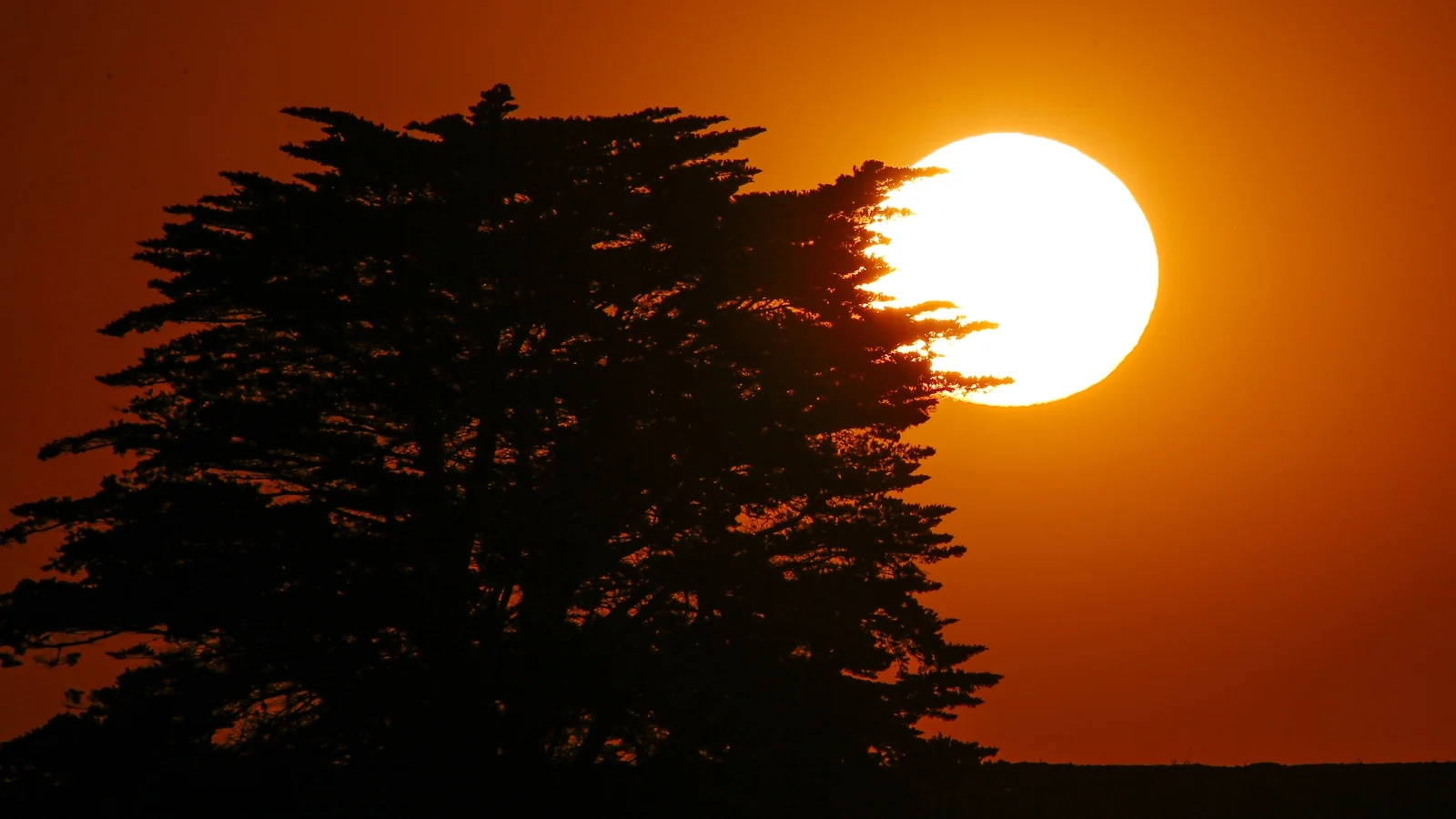
There is a particular smell that rises from bitumen and gum trees when the heat hits the way it did this week — a metallic, baked-sweet scent that hanging in the air feels almost like a warning. Streets shimmered, air conditioners chugged like tired beasts, and city libraries filled with people clutching bottles of water as phone alerts buzzed with warnings: stay inside, stay hydrated, avoid the open flame.
Across Australia’s southern states—Victoria, South Australia, New South Wales and even Tasmania—thermometers climbed into the forties. In pockets of Victoria the mercury flirted with 44°C; Melbourne hit about 41°C. Adelaide recorded days in the low 40s, while Sydney, Perth and smaller coastal towns baked under lesser, but still uncomfortable, heat. For many Australians, it felt like being dropped into a slow, sticky oven.
Heat by the numbers: what the figures tell us
Officials called it the worst stretch of heat the country had seen in roughly six years — language that dredges up memories of the “Black Summer” of 2019–20, when catastrophic bushfires razed swathes of the southeast, killed 33 people and burnt an estimated 18.6 million hectares. This recent episode didn’t reach those tragic heights, but it pressed every system built to cope with extreme heat.
More than 2,000 Adelaide households lost power as transformers strained and lines sagged. Libraries and community centers extended opening hours to serve as cooling hubs. Even Monarto Safari Park, an open-air refuge for wildlife near Adelaide, closed its gates for the day to reduce stress on animals and staff.
Forecasters were blunt: this wasn’t merely “a hot few days.” Heat warnings labeled “severe” or “extreme” were issued across multiple states, and fire danger maps lit up red across Victoria and South Australia. A vast, hot air mass stretched from Western Australia across the continent, pushing temperatures to the upper 40s in some inland pockets and amplifying conditions for fire elsewhere.
Voices from the scorch
“You can feel it in your bones,” said Mira Johnson, a nurse in suburban Melbourne, taking a break in the hospital’s staff room. “On days like this every corridor feels warmer, every patient more exhausted. We see dehydration, fainting, heat exhaustion—people who are usually okay just need one bad day in the heat.”
Rohan Patel, a volunteer firefighter from a small township outside Ballarat, described the tension that runs through communities when the warnings come down. “We’re not necessarily dealing with a big blaze today,” he said, wiping sweat from his brow, “but the phone never stops. Neighbors checking in on neighbors, the elderly needing a place to cool off. It’s the small things that stack up.”
On a sun-baked veranda in Adelaide, pensioner Gwen Michaels held a paper fan and laughed nervously. “You grow up with this weather and think you know how to cope,” she said. “But you’re never really ready when it pins you down like this. The trick is the quiet things: cold feet, a shady spot, a bowl of watermelon.”
Infrastructure under strain
Heat is not just uncomfortable; it is an operational stress test. Power grids were pushed as air conditioners whirred; distribution networks faced failures. Emergency services were stretched thin, balancing callouts for bushfires with heat-related medical incidents and rescues of people trapped in overheated cars or homes without power.
Local councils scrambled to keep public cooling centers open for vulnerable residents. Libraries reported lines that had nothing to do with books: seniors, workers from outdoor trades and parents with small children seeking refuge from the sun. Public pools and splash parks saw a surge of visitors trying to find relief.
Small solutions, big differences
Community groups improvised. A café in suburban Adelaide handed out free iced water to delivery drivers. A youth center switched its outreach to offer transport to cooling centers for elderly clients. “Simple things save lives in heat,” said Dr. Claire Nguyen, a public health specialist focused on heat resilience. “Access to a cool indoor space, regular fluids, and social checks for those who live alone make an outsized difference.”
Shadows of the Black Summer and the climate conversation
For many, the heatwave’s timing and intensity rekindled memories of the 2019–20 fires. That season left an imprint on the national psyche: whole townships evacuated, smoke blanketing cities for weeks, landscapes charred into a monochrome palette. The specter of that season sits behind every forecast now, a reminder that heat is often the preface to larger conflagrations.
Scientists have been straightforward: human-caused warming has made extreme heat events more frequent and more intense. Global temperatures have risen by roughly 1.1–1.2°C since pre-industrial times, and with every fraction of a degree the likelihood of heat extremes increases. In Australia, warming has lengthened fire seasons and expanded the window when landscapes are tinder dry.
“This is not an anomaly; it’s the new normal getting noisier,” said Dr. Imani Ortega, a climate researcher who studies heatwaves and public health. “Our infrastructure and communities were designed for a different climate. We need to reimagine cooling strategies, water use, building design and emergency planning with heat as a central consideration.”
Local color: how people adapt and endure
Across towns and suburbs, Australians relied on long-practiced, sometimes improvisational ways to cope. In backyards, families fired up barbecues early—then abandoned them as embers became liability. The old ritual of afternoon siestas returned for some, a throwback to smarter rhythms of daily life. For Aboriginal communities, traditional ecological knowledge — such as understanding local fire seasons and landscape cues — provided context and, in some places, practical approaches to managing risk.
“We always watch the country,” said elder Aunty Maree Hunter of the Gunditjmara Nation. “You learn to read the birds, the smell of the air. That knowledge matters when everything heats up—it’s another layer of safety that modern systems sometimes overlook.”
What now? A call to attention, not alarm
Heatwaves will continue to test cities and towns. The immediate task for authorities is familiar: maintain power, keep cooling hubs open, manage fire risk and ensure emergency services are resourced. But beyond the immediate tactics lie harder questions about planning, equity and the climate roadmap. Who gets access to cooling? How do we retrofit homes and cities to cope? What does a summer-resilient Australia look like?
As you read this, perhaps from the cool glow of an air-conditioned room, consider this: how would your community fare if the next heatwave lasted twice as long, or came earlier in the spring? What small, practical changes could make your neighbors safer? The answers start with shared attention and a willingness to prepare.
“Heat doesn’t just melt tar; it reveals where we are vulnerable,” said Dr. Nguyen. “If we learn from each scorching day, we’ll be better equipped for the seasons ahead.”
When the sun finally faded and a cool breeze slipped through gum trees, people stepped outside and took a collective breath. For now, the flames were held at bay and the lights came back on. But the memory of this furnace will linger, a quiet insistence that climate is no longer an abstract debate—it’s the weather at our doorstep.