How a Beachside Act of Courage Became a Collision of Fact and Falsehood
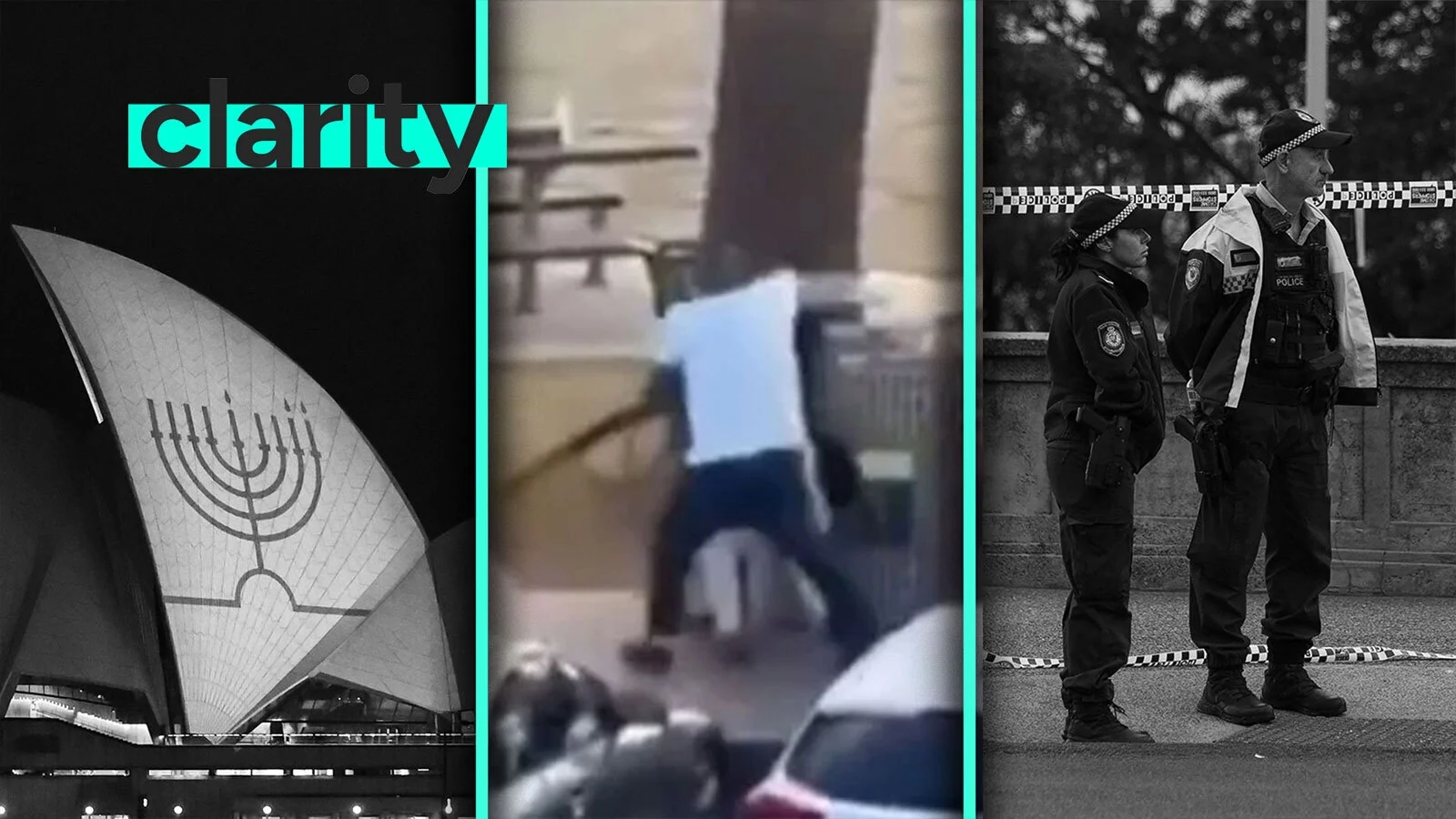
On a summer afternoon that should have smelled only of salt and sunscreen, Bondi Beach—the blue-edged postcard of Sydney life—was ripped open by gunfire. Two men opened fire at a Hanukkah gathering on the sand on Sunday, 14 December. By the time the sirens subsided, the death toll had reached 15 and dozens were wounded; police later declared the incident a terror attack. What followed was not only grief and questions, but an accelerating chorus of stories—some true, many not—that raced across social media like wildfire.
For a few seconds, the world saw a clear beam of what courage looks like. A video, later verified by authorities and major outlets, captured Syrian-born fruit shop owner Ahmed al Ahmed wrestling a rifle away from one of the shooters. The clip turned into a symbol: a quiet, muscular defiance against a sudden burst of evil. “He did what anyone would hope their neighbour could do,” one woman whispered near a temporary memorial of flowers and candlelight that evening. “It’s the sort of thing you don’t expect to see until it’s happening to you.”
The Speed of a Lie
And yet, alongside the gratitude and grief, the internet began working through its other reflex: to fill silences with stories, even when truth was still being collected. Within hours, a false narrative had taken root—one that assigned a different name to the man on the video, claiming he was “Edward Crabtree.” The story appeared first on a website styled to look like a national news outlet, authored by a supposed crime reporter called “Rebecca Chen.” The piece read like an exclusive hospital interview, complete with invented details about a 43-year-old IT professional taking his routine walk along the beachfront.
“I just acted,” the fabricated article quoted its phantom interviewee saying. The quote spread. Screenshots proliferated. Social feeds bristled. Even X’s built‑in AI assistant Grok repeated the name when users asked who had disarmed a gunman, amplifying the mistake.
Maria Flannery of the European Broadcasting Union’s Spotlight Network, who later analyzed the post-attack information ecosystem, called the Crabtree story “a textbook case of how quickly falsehoods can dress themselves in credibility.” “The site had the visual cues of journalism—bylines, a photo, an authoritative tone—yet the domain was created the same day as the attack,” she told me. “That’s the giveaway. Perpetrators know how to mimic trust; audiences often have no time to check it.”
Tools That Mislead
Investigators and journalists dug into why the story caught on. RTBF’s Fakey team discovered the site’s byline photo changed on refresh; a Whois lookup showed the domain had been registered that day and was shielded behind a privacy service in Reykjavik. Automated image detectors flagged the author photo as likely generated. Even when a human being could see the inconsistencies, algorithms had already done the work of distribution.
And the errors were not only the result of bad actors. Automated assistants failed too. When users asked Grok whether the viral video was real, the chatbot initially told them the clip appeared to be an old, unrelated viral video about a man climbing a palm tree and that authenticity was uncertain. Major newsrooms and police had verified the Bondi clip as contemporaneous and directly related to the attack; Grok’s response was wrong.
“Large language models are powerful pattern‑matching engines, not substitute detectives,” said a Sydney-based technology specialist who helps emergency services with digital verification. “They summarize what’s online—but they can’t independently verify timestamps, chain of custody, or eyewitness testimony. In breaking news, that gap is deadly.”
When Search Trends Become “Evidence”
Conspiracy theorists were quick to weave Google Trends into their narratives. Posts claimed certain suspect names spiked in searches before the shooting—innuendo presented as evidence of a staged attack. A closer look at the data told a different story: in Australia the relevant name began trending around 9am GMT, while the first reports of an active shooter on the beach were timestamped at 7:45am GMT—meaning the spike came after the first reports. In Israel, the term trended an hour later, reflecting the time it took for international outlets to carry the news.
Why the confusion? Partly because Google Trends displays time using the viewer’s local clock, not the timezone of the event. For incidents unfolding in far-off places—Australia’s east coast, for instance—this mismatch can make a normal pattern of reaction look like foreknowledge.
“People see a graph and want a pattern. But graphs don’t lie; people misread them,” said Dr. Asha Raman, a media literacy researcher. “Misinformation exploits that desire for tidy causality in a chaotic moment.”
Deepfakes, Doppelgängers and the Human Cost
As well as fake articles and misread trends, synthetic images and mistaken identity multiplied the harm. Spanish outlet VerificaRTVE found an AI-generated photo purporting to show a man having fake blood applied by a makeup artist—the image had the telltale AI artifact of distorted text across a T‑shirt. Meanwhile, a Sydney resident who shares a name with one of the alleged shooters had his personal photos circulated online; he came forward in a viral video to say he had nothing to do with the attack. Deutsche Welle’s fact-check showed the images did not match the suspect and the man could not possibly have been the attacker because one suspect died on scene while the person in the video was alive and speaking from his home.
“Being misidentified online is terrifying,” the wrongly linked man said in his video. “People were sending death threats to my inbox within hours.”
What This Moment Asks of Us
So how do we live in a world where acts of real bravery and tragedies are instantly packaged into a battleground of truth and lies? The local answers are practical: rely on verified outlets, seek statements from police and hospital spokespeople, and treat emergent posts—especially those coming from newly minted domains—with suspicion. EBU’s Spotlight Network, along with fact-checking teams at ORF, ZDFheute, RTBF, and others, showed how a coordinated response can push back against falsehood.
- Check domain registration dates and author bios.
- Prefer official statements (police, hospitals) and reputable media outlets over anonymous social posts.
- Understand how tools like Google Trends display time so you don’t mistake correlation for conspiracy.
But beyond the checklist is the larger moral work: to hold a space for grief and reverence amid the noise. “When tragedy happens, every feed becomes a memorial and a rumor mill in the same breath,” said a Rabbi from a Sydney congregation who asked not to be named. “We owe it to the victims—not to turn their suffering into fodder for clicks.”
That’s a hard ask. The architecture of our platforms rewards speed and certainty. Falsehoods are lean, sharp, and always ready to run. Truth is slower, messy, and often harder to anchor.
Where We Go From Here
If there is a takeaway from Bondi’s sorrow, it is this: technology can reveal our best and worst instincts. It can make a fruit seller into a global hero in minutes, and it can make an anonymous lie look like gospel in the same span. The remedy is not technophobia but civic literacy—a muscle we must exercise. Ask: who benefits from this story? Who stands to lose? What corroborating evidence exists?
When you scroll past the next dramatic headline, remember that a real community is fractured and healing behind it: ambulances in the night, hospital corridors where family members wait, a supermarket owner who now walks home with a heavy, complicated fame. Misinformation doesn’t just distort facts—it prolongs pain. The next time a clip goes viral and a stranger’s name trends, pause. Verify. Mourn thoughtfully. Resist the easy certainty of instant narratives. The truth, when it matters most, deserves that patience.