Blow in the workshop: a life of headlines ends on a hospital bed
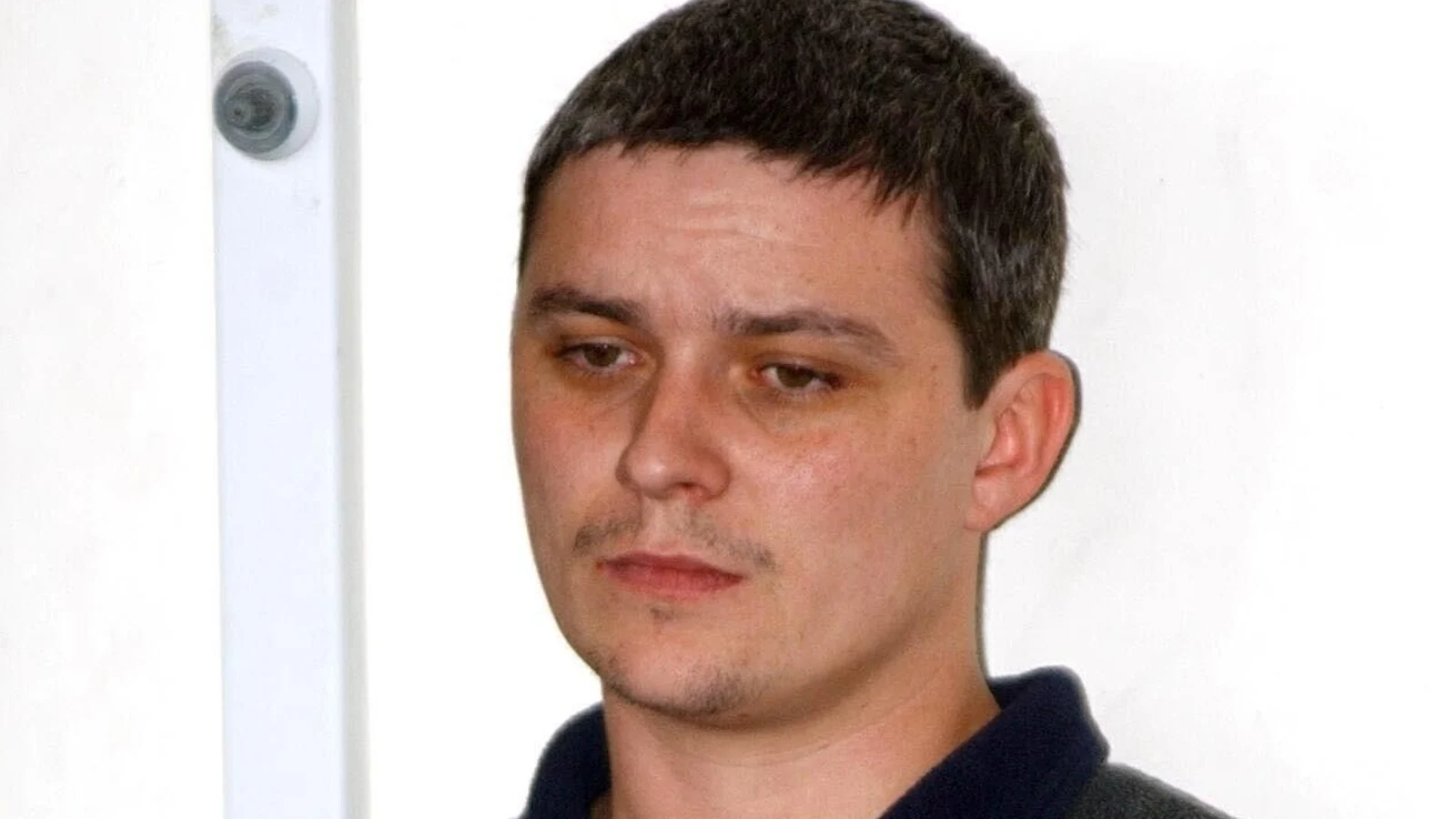
On a cold February morning at HMP Frankland, the hum of machinery and the smell of dust and cardboard—ordinary sounds of a prison recycling workshop—turned ugly and sudden. Reports say Ian Huntley, the man convicted in one of Britain’s most notorious child murders, was attacked there on 26 February and left with catastrophic head injuries. He is now in hospital on life support, allegedly blinded and not expected to regain consciousness.
The image is jarring: a 52-year-old man, once a figure of international revulsion, reduced to a body in a clinical bed while nurses whisper updates to relatives. In the weeks since the headlines first broke, the scene has become a mirror in which Britain sees its anxieties about prisons, punishment and safety reflected back at it—distorted, complicated, deeply human.
A crime that never let a town sleep
The name Ian Huntley still pulls at the memory. On 4 August 2002, ten-year-olds Holly Wells and Jessica Chapman walked away from a family barbecue in Soham, Cambridgeshire, to buy sweets. They never came back. Huntley was later convicted of their murders and given a life sentence with a recommendation that he should serve at least 40 years. The case scarred a nation: vigils, an unusually intense media scrum, and a long, painful trial that revived a town’s grief every time the story returned to the surface.
After the recent attack, Huntley’s only daughter, Samantha Bryan, told The Sun on Sunday: “There’s a special place in hell waiting for him.” It is a sentence that bristles at the edge of compassion and fury, a shorthand for the mixture of grief and righteous anger survivors and communities often feel when faced with crimes of such brutality.
In the shadow of Frankland
HMP Frankland sits in County Durham, an imposing complex that houses some of Britain’s most dangerous offenders. Maximum-security, ringed by fences and cameras, its corridors are meant to hold violence at bay. Yet prisons are not vacuum-sealed fortresses; they are crowded human ecosystems where rivalries, reputations and retribution bubble under the surface.
Durham Constabulary confirmed that a man in his mid-40s was detained at the scene on the day of the attack. Beyond that, official statements have been cautious. A police spokesperson said only that the matter is under active investigation and that they will not be commenting further while inquiries continue. The restraint is understandable; details released too quickly can make an already fraught situation worse.
It is not the first time prisoners have tried to take justice into their own hands. In 2010, robber Damien Fowkes attacked Huntley with a homemade blade, carving an 18cm wound in his neck that required 21 stitches. At the time, Fowkes reportedly told a prison officer, “Is he dead? I hope so.” The memory of that incident hangs over Frankland like a cloud—one more reminder that notoriety invites danger behind bars.
Voices from the margins: anger, sorrow, and weary resignation
Outside the gates of Frankland, opinions ripple and collide. “You never forget the noise of Soham,” said a man who lives in the nearby village and asked not to be named. “People there still talk about it like it happened yesterday. But does anyone think this was the right thing? Vigilante violence doesn’t heal anyone.”
A prison officer, speaking on condition of anonymity, painted a portrait of a place trying to balance security and humanity. “We’re overstretched,” they said. “Staffing shortages make it hard to keep constant watch. You can’t stop what you can’t see, and these workshops are quieter, less supervised places where things can happen fast.”
“This case forces us to ask what our prisons are for,” said a leading criminologist I spoke to. “Are they sites of rehabilitation, punishment, containment—or some uneasy mix of all three? High-profile inmates present particular problems: they are magnets for both obsessive hatred and extreme caution.”
The larger pattern: prisons under pressure
This attack is not an isolated incident but sits within a wider trend that authorities have warned about for years. Ministry of Justice statistics have shown a rise in assaults in some prison estates over recent seasons. Analysts point to a toxic brew: rising prisoner numbers in particular categories, stretched staff rotas, underfunded rehabilitation programs and, in some places, an emboldened inmate culture where reputation and retribution matter more than rulebooks.
Globally, nations wrestle with the same problem. Overcrowded cells, limited mental-health support, and dwindling resources breed desperation and violence. Put simply, when institutions responsible for care and custody are strained, the space for predictable, safe outcomes narrows.
What happens next?
- Police and prison investigators will piece together the attack—how it happened, what weapons were used, whether protocols were followed.
- There will be questions about supervision in workshops, prisoner movement, and whether risk assessments were adequate for a man with Huntley’s notoriety.
- Politicians and policymakers may use the moment to argue for tougher measures or, conversely, for investment in staff and mental-health services to prevent violence.
Questions we struggle to answer
When the dust settles, the public is left with moral thickets. Does the knowledge that some criminals are loathed justify a failure to keep them safe? How do we provide justice but also uphold standards of care that separate civil society from the chaos of the streets? Are we prepared to admit that prisons reflect the inequalities and resentments of the societies that build them?
These are hard questions without neat answers. They demand more than outrage or tweets; they demand sustained public conversation about what punishment means in the 21st century and what we expect from institutions designed to hold human beings at their worst moments.
Ending notes: a town remembers, a system watches
In Soham, memorials still mark the lives of two children whose names will never erase the pain of their absence. Around Frankland, staff and inmates alike will be left to reckon with another violent puncture in an already fraught system. For the rest of us—isn’t it worth pausing to ask what kind of justice we want, and what sort of institutions can deliver it without becoming a second source of harm?
Violence begets more violence; headlines pass; policies shift and, sometimes, they don’t. But the human residue—grief, anger, unease—stays. As the investigation unfolds, perhaps the most useful response is not only to react, but to listen: to former victims, to prison workers, to communities, and to the quiet experts who keep returning to the same hard truths about containment, care and the costs of neglect.