When Your Wallet Is a Target: The Strange, Small Cruelties of Sanctions on an ICC Judge
Picture this: you walk into your kitchen after a long day, say the kind of day that makes you grateful for small comforts — a cup of tea, the murmur of a news broadcast, the soft glow of a smart speaker. You ask it the time and it answers nothing. Your credit cards click and decline. Your inbox tells you an online account has been closed. This is not a thriller; it is the quiet, disorienting reality that swept over a judge at the International Criminal Court (ICC) after being placed on a sanctions list by the United States.
“It felt like an erasure,” a Hague colleague told me, leaning against a radiator in a café a few blocks from the court. “Not in the dramatic way — no arrest, no barricades — but in the way the world turns its back without ever having to explain why.”
The reach of finance into justice
Sanctions are blunt instruments usually aimed at states, militias, or financial networks. Put on an individual, though, they can become a machine for inconvenience — and indignity. The judge at the center of this story, a Canadian jurist whose career spans tribunals and years defending the idea of international justice, found herself cut off from much of the global financial plumbing: credit cards stopped working, bookings failed, online retailers cancelled accounts. Even helpers — travel companies or hotels in New Zealand trying to process an innocuous request — were prompted to flag her name and back away.
“When banks see a name that’s on a US sanctions list, they don’t have to think twice,” said a bank compliance officer in a neighbouring booth, speaking on condition of anonymity. “The cost of error is too high — fines, reputational damage, secondary exposures. So they go to the safe side: freeze. Block. Walk away.”
It’s a practical reality born of the dollar’s clout. Around the world, the American financial system touches daily life — the US dollar still accounts for roughly three-fifths of global foreign exchange reserves, and many international banks have substantial ties to US markets and regulators. In short: if Washington pulls a thread, the garment can come apart in hundreds of places.
How ordinary life becomes extraordinary
What does this mean in practice? Small humiliations that pile up into a steady rain of frustration:
- Credit and debit cards cancelled automatically across jurisdictions.
- Airline and hotel bookings declined because booking platforms flag names tied to sanctions.
- Online retail and subscription services shuttering accounts with no human explanation.
- Resort to cash in places where the world had already gone card-first.
“I remember using cash in New Zealand because there was simply nothing else that worked,” the judge later told a radio programme. “It’s not just the money — it’s the unpredictability. Every day could bring a new snag.”
A peculiar loneliness
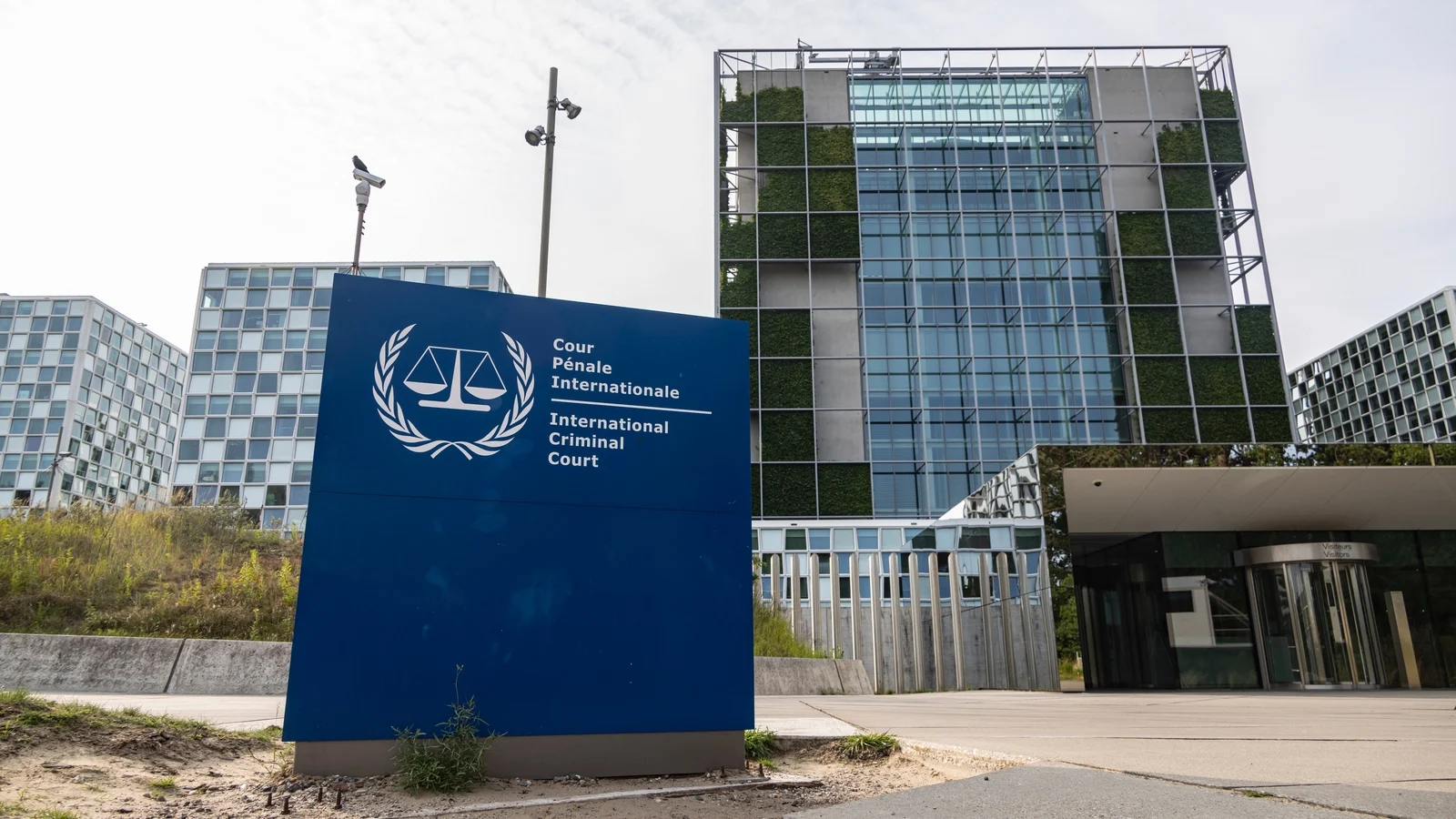
Not all of the pain is financial. There is an existential sting, too. The ICC is a court born of optimism — the hope that even when states fail, there is a place where allegations of war crimes, crimes against humanity and genocide can be examined through procedure and law. Yet at the same time, the ICC exists in a world of asymmetric power.
“We’re a small court in a city of big embassies, bigger politics,” said an ICC staff member. “We try to keep the work clinical, but you can’t pretend the world outside doesn’t exist.”
The sanctions in question came after the court moved against alleged crimes in Afghanistan, an investigation that — by the court’s own remit — considered actions by a wide range of actors, including non-state groups and national forces. That move drew a fierce reaction from Washington, which does not accept the court’s jurisdiction and has long been wary of investigations that could touch US personnel. The result was a rare collision between two systems: legal process and geopolitical muscle.
Voices from the ground
Across town, a receptionist at a boutique hotel still remembers her pulse quickening when the reservation software flashed a compliance alert. “I didn’t know what to do,” she said. “My manager told me: ‘Cancel it. We’ll call corporate.’ It felt wrong, but we were told not to risk it.”
An international human rights lawyer, who asked not to be named for professional reasons, framed it in starker terms. “When the machinery of global finance is used to pressure individuals involved in accountability processes, there’s a real chilling effect. It sends a message: engage in this work and your life will be harder.”
Yet the human reality is rarely monochrome. Some officials in allied capitals quietly supported the concept of accountability while publicly refraining from loud opposition — a diplomatic dance as old as international law itself. “There are many who believe in the ICC’s mission,” said a veteran diplomat. “But states will always weigh their geopolitical interests.”
Why this matters beyond one judge
Ask yourself: what kind of world would we have if people who adjudicate allegations of the gravest crimes can be financially ostracised because of political friction? International courts are fragile institutions. They rely on cooperation — evidence, enforcement, travel, banking, secure communications. Put sand in the gears and the whole enterprise risks stalling.
At the same time, these incidents expose a broader, modern vulnerability: our lives are bound up with digital identities and financial footprints that can be switched off remotely. You can be legally innocent, immune from criminal proceedings, but practically sidelined.
Resilience, and the strange optimism of public service
Despite the setbacks, the judge’s message is not one of defeat. “I came to this work believing in due process,” she said in a recent interview. “I have not changed my mind. If anything, these moments make the need for fair trials and institutions stronger.”
Colleagues at the court speak of a workplace that is stubbornly routine. Files circulate, chambers meet, judgments are drafted. “We are resilient,” one judge told me. “You don’t do this job if you crumble at administrative obstacles.”
Yet resilience is not the same as repair. For the ICC to flourish, its staff need more than courage; they need predictable systems — a banking relationship that allows travel and living without daily breach alarms; a diplomatic ecosystem that shields judges from collateral pressures; legal clarity about the reach and limits of national measures.
Questions for readers
What do you think — should global justice institutions be insulated from geopolitical pressure? Who pays the cost when they are not? And are we ready to live in a world where a bank’s compliance department can shape the fate of international law?
These are not abstract queries. They land on kitchen tables and in hotel lobbies. They hang in the quiet between a judge and her smart speaker, in the silence of an Alexa that will not answer. They make you wonder: whose voice will be next to be hushed by the unseen levers of power?
Final note: the long arc
There is a stubborn human belief that law can bend history toward justice, however slowly. The ICC’s journey has been bookended by skepticism and hope, rejection and support. The case of an individual judge — unable to use a card, forced to pay in cash, still committed to her chambers — is a small storyline within this larger drama. It is a reminder: institutions are made of people, and people are vulnerable. If we care about accountability, we must ensure that the tools of power do not quietly dismantle the very mechanisms meant to hold power to account.