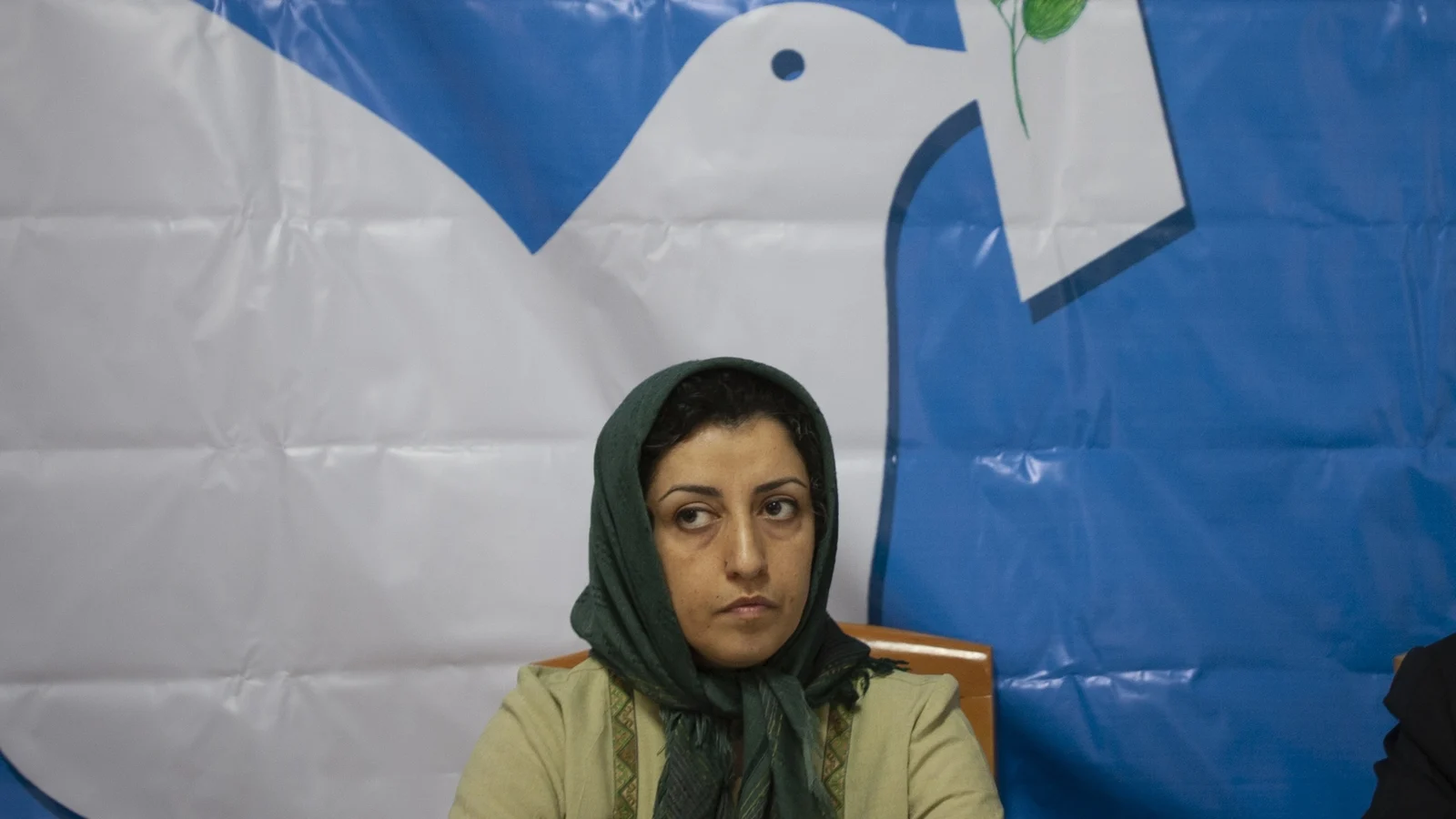
A Nobel Laureate in Solitary: The Quiet Revolt of Narges Mohammadi
There are moments when silence is louder than any chant. In a small cell in Mashhad, a city that is both a pilgrimage hub and a place of strict state control, Narges Mohammadi—winner of the 2023 Nobel Peace Prize—has gone on hunger strike. The act is simple and devastatingly deliberate: a refusal to eat until she is allowed the barest of human connections—phone calls, visits, and access to her lawyers.
“She has been on hunger strike for the last three days,” said Chirinne Ardakani, Mohammadi’s Paris-based lawyer, speaking to reporters. “She is demanding her right to make a phone call, have access to her lawyers in Iran and to be visited.”
That demand cuts to the core of what prison authorities often seek to extinguish: the ability of a dissident to speak back to the world. Mohammadi’s last known phone call to her family was on 14 December, her lawyer said. Her relatives only learned of the hunger strike when a recently released detainee relayed the news—an informal, fragile chain of information that underscores how tightly the authorities are controlling communication.
Why She Matters
Narges Mohammadi is not a marginal figure. For two decades she has pushed at the boundaries of Iran’s legal and political system, a relentless advocate for human rights, particularly for women. Her Nobel Prize was not merely a personal honor; it was a spotlight on a movement that has tried, again and again, to bend the arc of Iran’s future toward dignity and freedom.
“She has been a lighthouse for many of us,” a friend who has worked with her organization told me. “Even from behind bars, her words carry.”
Her activism reached a crescendo during the watershed 2022–2023 protests triggered by the death in custody of Mahsa Amini. Mohammadi, 53, openly supported the movement that spread through Iran and resonated around the world. In a country where the clerical establishment has ruled since the 1979 revolution, that support is now a perilous position to hold.
The Mechanics of Isolation
There is a cold logic to the state’s approach. Deny phone calls; cut off visits; place a dissident in solitary confinement—and the dissident’s voice starts to thin. Supporters contend that this is no accident but policy. Mohammadi’s foundation has described the authorities’ approach as conditional freedom: phone calls would be allowed only if she accepted “rules” set by prosecutors, an arrangement the foundation says makes a legal right dependent on “silence and self-censorship.”
Those “rules” are the kind of coercive instrument that turns a simple human contact—speaking with family—into leverage. “It’s emotional blackmail,” said an activist familiar with the family’s situation. “They are saying: speak only when we tell you to, or you will not be heard.”
Her Demands, Plain and Human
- Immediate right to make phone calls
- Access to legal counsel within Iran
- Visits from family and supporters
These are not grand revolutionary demands. They are the basic cords that keep a prisoner tethered to the world. And yet, for Mohammadi, they have become causes for protest at the very center of state power.
Faces of a Crackdown
This case is not an isolated incident. Human rights monitors say the Iranian authorities have carried out a sweeping crackdown since the protests began—arrests measured in the tens of thousands. The US-based Human Rights Activists News Agency (HRANA) has estimated that more than 50,000 people have been arrested in connection with the unrest. That scale of detention reshapes families, communities, and the cultural fabric of the country.
Artists, intellectuals, and everyday citizens have been ensnared. Among those detained recently were screenwriter Mehdi Mahmoudian, co-writer on the film It Was Just an Accident—one of the year’s celebrated international films—and activists such as Abdollah Momeni and Vida Rabbani, who signed a statement condemning what they called an “organized state crime against humanity” during the crackdown.
“When they arrest a filmmaker or a women’s rights activist, they’re trying to erase stories,” said a human rights researcher in London. “They know stories breed empathy. Empathy breeds solidarity. Solidarity breeds movement.”
Mohammadi’s Private World—Publicly Sidelined
Mohammadi’s personal life sharpens the political stakes. Her twin children and husband live in Paris; her children accepted her Nobel Prize on her behalf in Oslo in 2023. She has not seen them in person for more than a decade. Imagine winning the world’s most recognizable prize while being forbidden even to embrace your own children. The image is heartbreakingly modern—global acclaim and private exile in a single life.
“My mother always used to say: ‘You can take away my liberty, but you cannot take away my conscience,'” one of her children told a journalist in Paris. “We hear her voice when we call, but these last weeks have been terrifying. We are asking only for the right to speak with her.”
What Does This Mean for the Rest of Us?
There are important lessons here that reach beyond Iran’s borders. Governments in many parts of the world—whether in closed systems or democracies—have learned the power of controlling narratives and isolating dissent. The tactics are different, but the aim is similar: silence voices that disturb the status quo.
So, what are we to do as global citizens? Watch? Protest? Donate? Share verified news? The answer is not simple. But the case of Narges Mohammadi invites us to think about the moral dimensions of connection: who gets to speak, who is allowed to listen, and whose stories are protected.
Endings Are Not Given; They Are Contested
In a world where images and headlines move faster than laws and consciences, Mohammadi’s hunger strike is both an act of protest and a plea. It is a reminder that democracy is not only electoral systems and parliaments; it is also the ability to call your lawyer, to speak with your loved ones, to be visible when you are vulnerable.
Whether her strike forces a concession or hardens the prison’s walls, it has already succeeded in reframing the conversation. It asks each reader: when someone chooses their body as a last instrument of resistance, how will the world respond?
For now, we wait. We listen. And we remember that even in the most systematic attempts to erase a voice, human connections—however fragile—find ways to echo outward. Will they hear her? Will we listen?