A video, a flotilla and a storm of outrage
When the clip first appeared on social media it was small—just a few seconds of grainy footage filmed on the deck of a navy vessel—and yet it landed with the force of a headline. An activist is forced to the deck, hands bound. Around her, dozens of people kneel in rows, their wrists zip-tied behind their backs, while soldiers patrol with rifles. A man carrying an Israeli flag walks past, smirking. The caption reads like a taunt.
Within hours, diplomats were summoned, foreign ministers spoke of “appalling” conduct, and the video became more than a viral moment: it was a flashpoint, a tinderbox. Western governments—across capitals from Dublin to Rome to Washington—expressed outrage. The footage, they said, violated basic standards of dignity and respect. For many who watched, it revived a long list of questions about power, protest and the limits of state force at sea.
What happened at sea
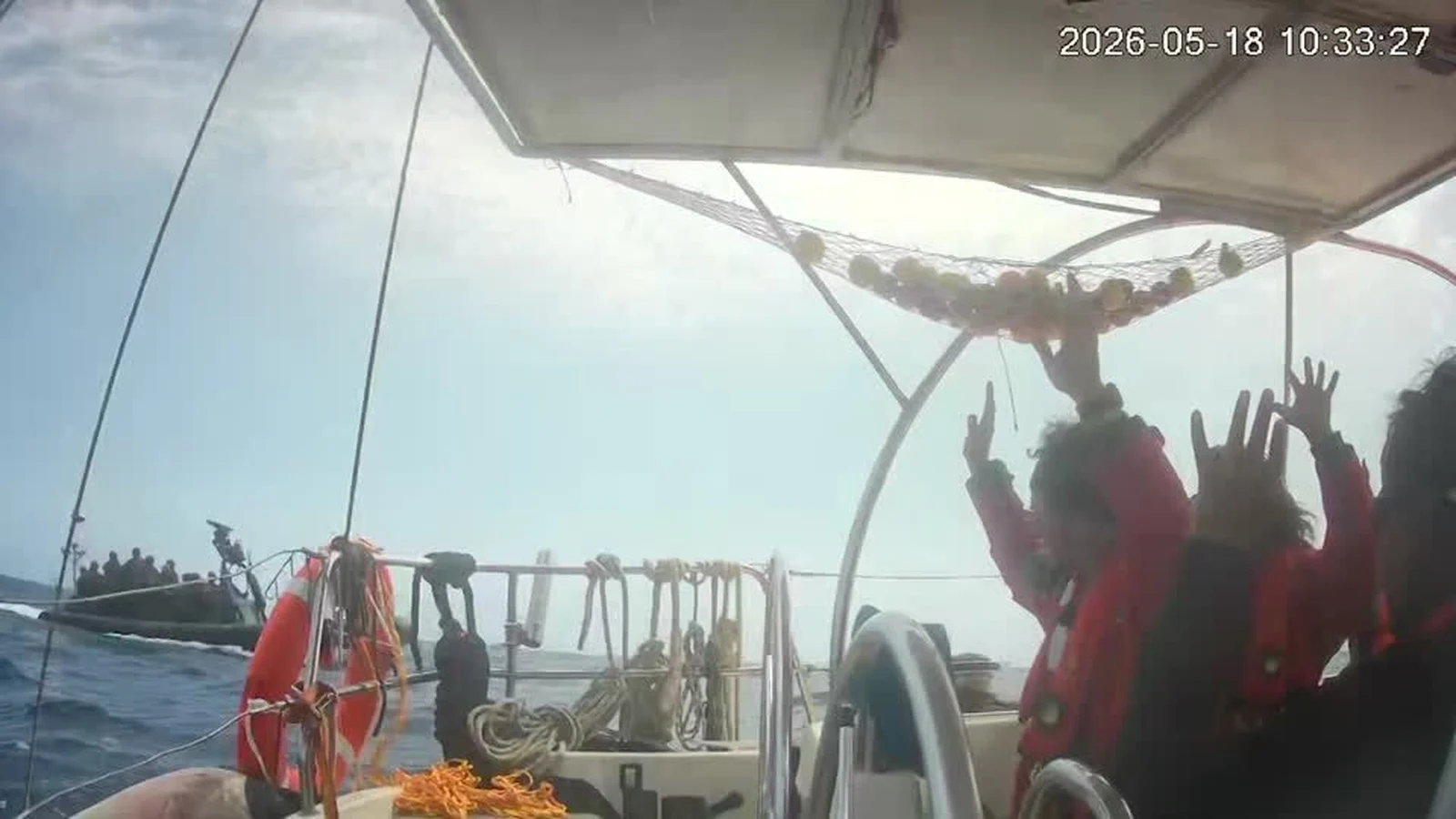
The flotilla had left southern Turkey earlier in the week. Its aim was straightforward in tone even if politically charged in context: deliver humanitarian aid to Gaza and symbolically pierce the naval blockade that has defined the coastal territory’s isolation for years.
Israeli naval forces intercepted the vessels in international waters. The activists were taken to southern Israel, processed and, according to the foreign ministry, deported the following day. Israeli rights groups reported that roughly 430 activists were released from detention. Two Italians flown home—journalist Alessandro Mantovani and politician Dario Carotenuto—alleged they had been beaten in custody.
On the record and off
“They would beat you up and tell you ‘Welcome to Israel,'” Mantovani told reporters after landing in Rome, describing a holding area he called “a place of terror.” Carotenuto said he had been punched and kicked while detained. Israeli authorities have not publicly commented on the specific allegations, though the foreign ministry confirmed the interception and deportations.
The Office of the UN High Commissioner for Human Rights said the arrests at sea appeared to raise legal concerns and urged that any maltreatment be investigated. “It is not a crime to show solidarity and bring humanitarian assistance to people in dire need,” a spokesperson said, calling for accountability.
Voices from the deck, the dock and the living room
The people involved tell different, often irreconcilable stories. On one side, flotilla organizers describe a humanitarian mission: food, medical supplies, volunteers from dozens of countries, and a political act of solidarity with Gaza’s civilians. On the other, Israeli officials argue the blockade is a security measure and that unauthorized sea approaches will be stopped.
“We came not to provoke but to deliver aid and witness,” said Lina Haddad, a Lebanese volunteer who had planned to join the voyage. “There were children in Gaza who were supposed to get medicine this week. We feel the world must see that help keeps being blocked.”
At Ashdod port, fishermen smoked cigarettes and watched the naval ships coming and going. “They have rules on the water,” said Yossi Ben-David, a fisherman in his 60s. “But sometimes rules look different depending on who you are. When it was our kids in the water, there wasn’t so much sympathy.” He shrugged, then added, quietly: “We live with tension. We go out, we fish, and we try not to think about politics. That’s a privilege, too.”
The international ripples
Governments across Europe summoned Israeli ambassadors. In Ireland, Portugal and Spain, officials publicly condemned the treatment shown in the video. Helen McEntee, Ireland’s foreign minister, called the footage “appalling” and “unacceptable.” European Council President Antonio Costa said he was “appalled” and demanded the immediate release of those detained. The United States—Israel’s closest ally—also criticized the conduct, with its ambassador to Israel saying the video had “betrayed the dignity of his nation.”
Turkey, where the voyage began, organized special flights to repatriate citizens and vowed to continue defending its nationals. Canada and Spain have joined a growing list of countries that have imposed sanctions on some Israeli far-right ministers, citing concerns about incitement and human rights.
Politics, ports and the theatre of power
It is impossible to separate this moment from Israeli domestic politics. The minister who posted the taunting video is a far-right figure with a base among ultra-nationalists—voters that Prime Minister Benjamin Netanyahu has courted as elections loom. A campaign-like video showing the minister striding through the port, flag in hand, felt to many like a theatrical performance designed for the camera more than a neutral official act.
“This is not just maritime enforcement,” said Dr. Rachel Silver, a political scientist who studies Israeli politics. “It’s a spectacle. It plays to the tribe and to the narrative of strength. But there is a cost: the international fallout and the erosion of norms about how democracies behave.”
Why this matters: law, history and humanitarian need
There are legal questions here about the interception of ships in international waters, the treatment of detainees and the obligations to allow humanitarian aid to reach civilians. International law around blockades, use of force at sea and the protection of civilians is complex, but past incidents provide a backdrop. The 2010 raid on the Mavi Marmara, in which nine activists were killed, remains a raw historical touchstone and a reminder of how volatile such encounters can be.
Meanwhile, the humanitarian picture in Gaza is stark. The enclave is home to more than 2 million people, many of whom have lived under blockade since 2007. Humanitarian groups estimate that over 80% of the population depends on aid for basic needs. A ceasefire brokered in October 2023 included promises of increased assistance, but charities and UN agencies say supplies are still insufficient.
Numbers that should make us pause
- Gaza population: roughly 2–2.3 million people
- Estimated percentage reliant on aid: over 80%
- Activists detained and later released after this interception: about 430
So what happens next?
The immediate aftermath will be diplomatic letters, perhaps more sanctions, and an outpouring of statements. But there are deeper questions that linger: will there be independent investigations into conduct at sea? Will states balance security concerns with humanitarian obligations? And what does this say about the currency of spectacle in modern politics, where a short video can galvanize governments and shape public opinion?
For citizens watching from Prague, Rome, Ankara or Tel Aviv, the image of people kneeling in rows with their hands bound is unnerving because it feels familiar. It echoes other moments when the power of a state met the resolve of citizens and volunteers, and we were forced to ask whether dignity had been preserved.
What would you do if you were on that deck? If you were an official deciding whether to intercept a boat in international waters? If you were a parent watching these images late at night and wondering about the world your child will inherit?
These are not hypothetical questions. They are the levers by which policy, law and empathy turn. And for now, a short, sharp video has opened the lid on a debate that will not easily close.