Between Chai and Checkpoints: A Fragile Pause, a Fraying Peace
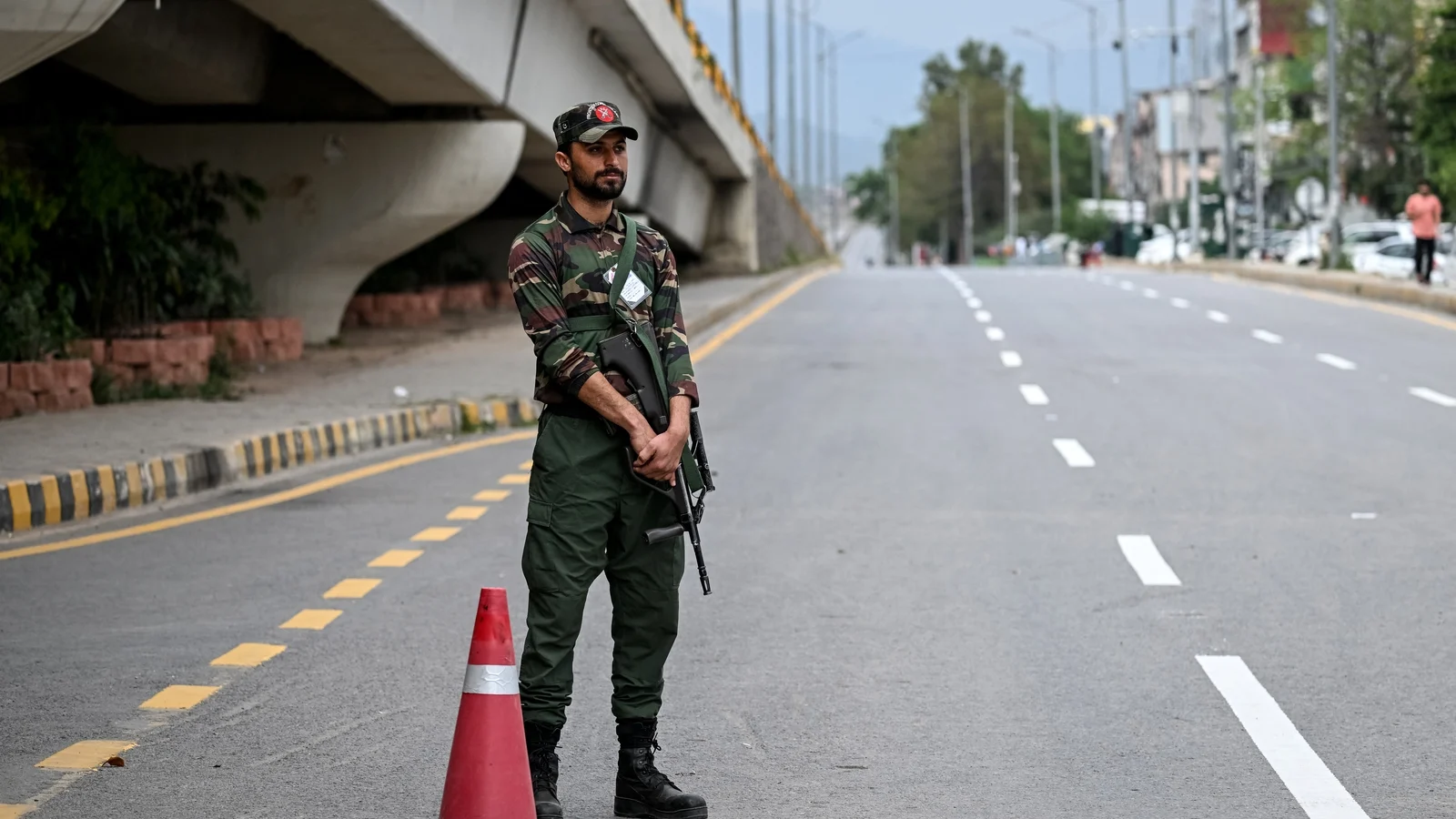
I landed in Islamabad on a dust-streaked afternoon when the air tasted faintly of cardamom and diesel. Outside the terminal, men in wool caps balanced thermoses of chai on their knees while drivers argued the price of a fare in Urdu. It was the kind of city that anchors grand diplomatic theater—quiet, hospitable, a place where strangers become interlocutors over cups of tea.
Into that scene came Iran’s foreign minister, Abbas Araghchi, his delegation moving through the city with guarded purpose. At the same time, two envoys dispatched by the White House—businessman Steve Witkoff and former adviser Jared Kushner—were due in Pakistan to try to restart negotiations that might keep a brittle ceasefire from splintering back into violence.
The choreography felt tentative: officials in Washington announced an “in-person conversation,” Tehran’s state media insisted there would be no direct U.S.–Iran meeting, and Pakistan positioned itself as the bridge. A diplomat in Islamabad, who asked not to be named, summed it up with a tired smile: “We’ve hosted more hopeful delegations than we can count. People come with blueprints, then leave with crumbs.”
Negotiation by Proxy — Or Something More?
On paper, the pieces look simple: emissaries meet, an agreement is hammered out, the Strait of Hormuz reopens fully, markets settle, and people sleep easier. In reality, the map is riddled with minefields—national pride, domestic politics, regional alliances, and the shadow of military posturing.
White House press briefings said the U.S. envoys would “engage” with Iranian representatives; Tehran countered that Pakistan would act as an intermediary to “convey” Tehran’s proposals elsewhere. Karoline Leavitt, the White House press secretary, suggested the talks could “move the ball forward,” while Islamabad maintained its role as host and mediator.
“Diplomacy right now is like someone passing fragile china over a fence,” said Laila Hassan, a Middle East analyst based in London. “Any stumble—an offhand remark, an intercepted shipment, an unsanctioned strike—can break what little trust there is.”
Ceasefires, Strikes, and the Human Score
Even as diplomats traced their steps toward tents and tea, the violence that set these talks in motion continued to exact a toll. In southern Lebanon, official sources reported that six people were killed in strikes despite a declared extension of a three-week ceasefire brokered by international envoys. Bombed-out homes, shattered glass, and the smell of cordite persist as reminders that a ceasefire is not the same as peace.
Mohamad Ali Hijazi is one of those living reminders. I met him via a contact in Tyre—he was combing through a collapsed family home for anything that had belonged to his mother. “I am looking for her comb, her perfume,” he told me over a crackling phone line. “When everything fell, those were the last things I sent her from France. My life has been destroyed. I haven’t slept for five days.”
Hijazi’s grief is not a headline; it is an archive of small losses that become the scaffolding of a much larger tragedy. “You can sign papers in hotels, you can clap hands in summit rooms,” said a Lebanese aid worker. “But how do you translate that into reassembled lives?”
Hearts, Politics, and the Elusive ‘Consensus’
Back-channel discussions notwithstanding, politics at home complicate the calculus. Hezbollah’s parliamentary leader warned Beirut not to be co-opted into a deal without broad national consensus, while Israeli leaders framed the negotiations through the lens of their campaign against Iran-backed militias. The rhetoric is combustible; the people on the ground bear the blast.
“A deal imposed from above rarely lasts,” said Dr. Karim Nasser, a political scientist at the American University in Beirut. “You need local buy-in. You need survivors to feel like their loss is acknowledged and repaired.”
The Strait of Hormuz: A Narrow Channel, Global Consequences
If the local story has faces, the global one has numbers: around one-fifth of the world’s seaborne oil passes through the Strait of Hormuz. When Tehran tightened passage, allowing only a trickle of ships to navigate the waterway, the reverberations moved from ports to portfolios—oil and liquefied natural gas flows were disrupted, and markets fluttered.
Traders cheered the prospect of talks; prices dipped, and major U.S. stock indexes closed at fresh records on a wave of corporate earnings and the hope that diplomacy might thaw regional tensions. Yet military movements—most visibly, the arrival of the USS George H.W. Bush as America’s third aircraft carrier in the region—reminded observers that power still speaks in steel and sonar as much as in ink.
“When energy chokepoints are used as bargaining chips, the ripple effects are global,” said Emma Roth, an energy analyst in New York. “Higher fuel prices affect everything from grocery bills to shipping costs, and the poorest communities feel it first.”
What Would Peace Look Like?
Ask ten people—diplomats, survivors, tea sellers in Islamabad—and you’ll get ten visions. For some it’s a formal treaty, for others a gradual cessation of hostilities, for many more a return to lives not scheduled around sirens. For markets, it’s the uninterrupted flow of oil and LNG. For parents like Hijazi, it might simply be the ability to lay a loved one to rest in peace.
“Peace isn’t a single document,” said Ambassador Farhad Jamshidi, who spent decades in regional mediation. “It’s a set of processes: accountability, compensation, guarantees of non-repetition, and a path for political inclusion.”
Why This Matters to You
How does a skirmish hundreds or thousands of miles away touch your life? In visible ways—gasoline prices, heating bills—and in less visible ones: refugees seeking shelter, investor sentiment shaping pensions, and governments recalibrating alliances. The modern world’s arteries are hydraulic and political; when one chokes, the rest feels the pressure.
So let me ask you: what do we owe each other as citizens of an interconnected planet? Do we respond to crises with force, with engagement, with silence? The answers lie somewhere between the tea cups in Islamabad and the rubble in Tyre, among negotiators drafting language and mothers sewing shrouds.
Small Things, Big Meaning
On a final note, I returned, figuratively, to that tea stall outside the airport. The vendor—an elderly man named Bilal—wiped his hands on his vest and looked at the flights list blinking on the arrivals board. “People come and go,” he said. “They bring promises and take pictures. We keep making tea.”
Perhaps that simple busyness—serving chai, listening, keeping a city fed and moving—is the quiet engine of hope. Diplomacy needs rooms and resumes; peace needs ordinary acts that stitch together lives torn apart. The question now is whether leaders will match the persistence of those who, in the smallness of daily ritual, keep the possibility of peace alive.
- Key facts: roughly one-fifth of global seaborne oil transits the Strait of Hormuz; disruptions can ripple into higher energy prices worldwide.
- Diplomatic dynamics: Pakistan playing mediator; U.S. envoys in talks; Iran insisting on indirect engagement via intermediaries.
- Human impact: civilians in Lebanon continue to suffer despite ceasefires; reconstruction and reconciliation remain distant needs.
Keep watching. Ask your leaders what a lasting peace looks like, not just in press releases but in policies that rebuild lives. And, if you’re ever in Islamabad, try the tea. It has a way of making difficult conversations taste a little less bitter.