When Words Become Missiles: A Night of Accusation, Denial and a City That Keeps Its Tea Warm
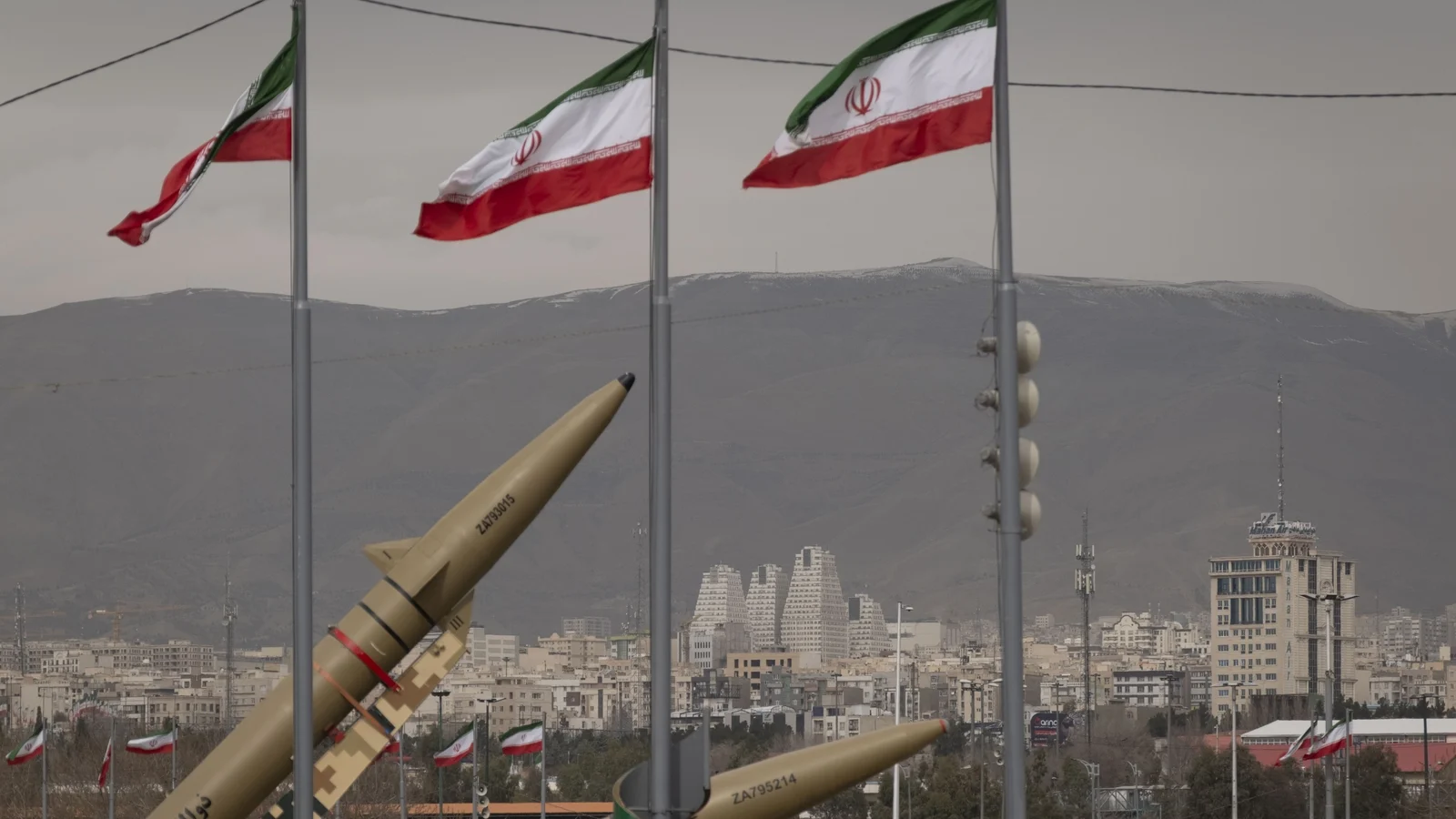
There was a peculiar light the night the State of the Union landed like a stone in a long-simmering pool. On televisions in Tehran tea-houses, on a cracked smartphone screen in a tiny bazaar stall, and on the desk of a diplomat in Geneva, the same lines flickered: accusations that Iran was building missiles that could reach the United States, that it once again nursed “sinister nuclear ambitions.”
These are the kinds of claims that don’t just travel across headlines; they ricochet off histories, fears and unfinished agreements. They force people to ask questions about capability and intent, about what counts as deterrence and what counts as provocation. They also remind us how quickly rhetoric can reshape a room—be it the Chamber of the U.S. Congress or a cafe under the plane trees of northern Tehran.
One Speech, Many Reactions
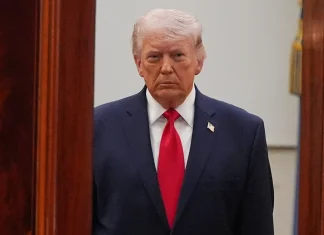
In Washington, the State of the Union became more than an annual review. For many watching it elsewhere, it read like a ledger of grievances. “They’ve already developed missiles that can threaten Europe and our bases overseas,” went the line, “and they’re working to build missiles that will soon reach the United States of America.” The words landed like thunder in a sky already crowded with ships, sanctions, and years of mutual suspicion.
Back in Tehran, the response was as swift as it was blunt. On social media and state channels, Iran’s foreign ministry dismissed the claims as “big lies.” Esmaeil Baqaei, a ministry spokesman, wrote on X that allegations about Iran’s nuclear program, its ballistic missiles, and casualty numbers from recent unrest were essentially recycled fabrications.
“It’s the same script,” a Tehran journalist told me over carpet-patterned cushions, stirring tea with the back of his spoon. “They speak a script written before. We watch, we reply. The streets—people—have different conversations.”
Voices from the Ground
At a small fruit stall near Tajrish Square, Hassan, 47, who sells persimmons, shrugged when asked what the talk of missiles meant to him. “We’re thinking about making rent, not long-range rockets,” he said. “But when governments shout, businesses quiet down. Traders stop importing. That will hit all of us months from now.”
A young university student I met on a book-lined bus echoed the sentiment with sharper edges. “We’re tired,” she said. “Tired of being a headline. We want work, travel, a future without constant alarms.”
Numbers and Narratives: Whose Count Matters?
Rhetoric over weapons is inseparable from rhetoric over lives. In the same address, the U.S. president referenced a staggering toll—claims that tens of thousands died during recent unrest in Iran. Tehran pushed back, acknowledging thousands of deaths but insisting many were the result of “terrorist acts” they said were supported by foreign forces. Human rights groups and independent monitors have offered other counts; one U.S.-based group suggested a death toll in the thousands and warned the true number might be higher.
Why do these numbers diverge so dramatically? Because in modern conflict—and in states under pressure—every statistic becomes part of a larger argument. Numbers are not merely neutral. They travel with narratives about legitimacy, culpability and the right to crack down or to defend. And when official tallies clash, ordinary people are left with the residual uncertainty: who to believe and how to grieve.
Negotiations on a Knife’s Edge
Amid the words and the counterwords, diplomats have been quietly at work. Two rounds of Oman-mediated talks had already taken place; a third was scheduled in Geneva the day after the speech. Those rooms wear silence as armor. There the conversation is procedural: enrichment ceilings, inspections, missile programs, regional proxy networks. But the theater outside—grand speeches and naval posturing—changes the rhythm of negotiation.
“Diplomacy is always vulnerable to the ambient politics of the moment,” said Dr. Leyla Haddad, a non-resident fellow at a think tank in Beirut who has advised several diplomatic delegations. “When leaders use language designed for domestic audiences—applause lines or votes—it can make compromise politically costly, even if it is strategically sensible.”
What is on the table? Washington has repeatedly pushed for zero enrichment, tighter restrictions on ballistic missiles, and reduced support for armed groups in the region. Tehran’s position has been firmer on its right to pursue peaceful nuclear technology and to retain a deterrent posture in a volatile neighborhood. Each side’s red lines are, in part, a product of decades of mistrust.
Press Freedom and the Human Cost
Complicating the diplomatic picture are smaller, urgent stories: a detained journalist, a frustrated family, the foreign ministries trading barbs. Japan’s government publicly demanded the swift release of a detained national reportedly held in Tehran; NHK, Japan’s public broadcaster, declined to comment fully but emphasized staff safety. For reporters—foreign and domestic alike—covering these flashpoints is increasingly perilous.
“A journalist is not a pawn,” sighed Mina, who edits a small online magazine. “When one of us is arrested, it chills a hundred stories. People stop speaking, sources dry up. That’s how a society stops hearing itself.”
What Are We Afraid Of—and What Could We Do?
It’s worth asking: where does the fear come from? Is it technical capability—missile ranges, enrichment percentages? Is it intent—the willingness to cross symbolic lines? Or is it the broader ecosystem of alliances, proxy forces, economic strangulation, and public narratives that turn fact into fatalism?
Answers matter because they shape policy. If the fear is about capability, inspectors, and technical verification will matter. If the fear is about intent, then diplomacy must open spaces for confidence-building, cultural exchange, and de-escalatory steps. If the fear is about narrative, then both sides (and the global media) must reckon with how stories are told and repurposed.
- Fact: The 2015 JCPOA sought to limit Iran’s uranium enrichment and institute inspections. Its unraveling after 2018 deepened mistrust and led to stepped-up nuclear activity by Tehran and renewed sanctions by Washington.
- Fact: Casualty counts during unrest have been contested, with official and independent tallies varying significantly.
- Fact: Diplomatic rounds—mediated by third parties—continue to oscillate between progress and pause, often influenced by domestic political rhythms on all sides.
Closing: A Reminder of the Human Scale
Outside the gilded halls of parliaments and the sterile corridors of embassies, life goes on. Tea is still brewed. Shops still open. Families still plan weddings. Yet these everyday acts exist in tension with geopolitical thunderbolts.
So ask yourself, reader: when leaders speak of missiles and ambitions, whose life is rearranged the most? Who pays for the sound and fury of public accusations? The answer is as simple as it is uncomfortable—civilians, journalists, displaced families and children whose futures are clasped between the ledger’s pages.
If diplomacy is to prevail over saber-rattling, then the work will be done in small rooms and quieter voices—where reality is negotiated, where inspectors look at centrifuges, and where diplomats stitch together what rhetoric has torn apart. That is the kind of labor that doesn’t make speeches, but it saves lives.