Under Smoke and Silence: Tehran’s Ultimatum and a Nation at a Crossroads
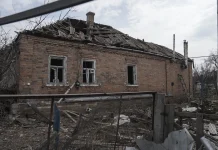
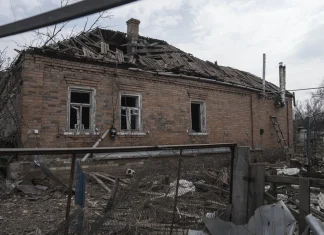
On a chilly evening in Tehran, smoke still clings to the skeleton of a once-bustling storefront. Charred glass crunches underfoot, and the scent of burnt paper hangs in the air like a question the city has not yet answered.
From behind a bank of studio lights, Iran’s national police chief delivered a blunt message: surrender within three days or face the full force of the law. It was an ultimatum broadcast into an atmosphere already heavy with fear — an attempt to close a chapter many fear is only beginning.
The immediate order — and its human echo
“If you were deceived into the unrest, come forward and you will be treated with leniency,” the police chief said on state television. It was meant to sound compassionate, a shepherd’s call to stragglers. To others it sounded like a door quietly closing.
On the ground, the response is messy and raw. “My nephew went out to protest because he couldn’t afford university fees,” said Farideh, a florist near the Grand Bazaar, her hands stained with the day’s work. “I don’t know if he came home. The phone doesn’t ring. It’s like the city has been muted.”
Telecommunications have flickered and gone dark during these weeks of unrest, a blackout that complicates efforts to tally the wounded and missing. Human-rights groups say the toll is staggering; they accuse security forces of responding with deadly force. The precise scale of the bloodshed remains blurred in the shutdown of networks and the fog of conflicting claims.
Promises of economic relief — coupled with punishment
In a rare show of unified messaging, Iran’s executive, legislative and judicial leaders issued a joint statement pledging to “work around the clock” to address livelihoods and economic grievances that helped ignite the protests.
President Masoud Pezeshkian, parliamentary speaker Mohammad Bagher Ghalibaf and judiciary chief Gholamhossein Mohseni Ejei said they would meet the country’s economic “needs,” but also vowed to “decisively punish” what they characterized as terrorist acts and foreign-instigated chaos.
“We will not tolerate acts that aim to destabilize our nation,” one government source told an Iranian news agency. “But we also understand people’s pain. These issues must be resolved.” Whether that balance can be struck in practice remains unclear.
What sparked this winter of discontent?
These demonstrations did not emerge from nowhere. Years of rising prices, unemployment among young people, and the squeeze of international sanctions have left many Iranians juggling livelihoods and dignity. A generation that once imagined a different future now finds itself counting banknotes and rationing hope.
“It’s not about politics for many of us,” said Saeed, a 27-year-old rideshare driver. “It’s about whether I can pay rent next month. When that becomes constant, people step out. They have nothing left to lose.”
Execution as a specter: UN voices alarm
The scenes in Tehran arrive against a sobering backdrop on the global stage: the United Nations human-rights office has warned that some states are using the death penalty in ways that amount to state intimidation. Volker Türk, the UN High Commissioner for Human Rights, expressed deep concern over a recent spike in executions in several countries.
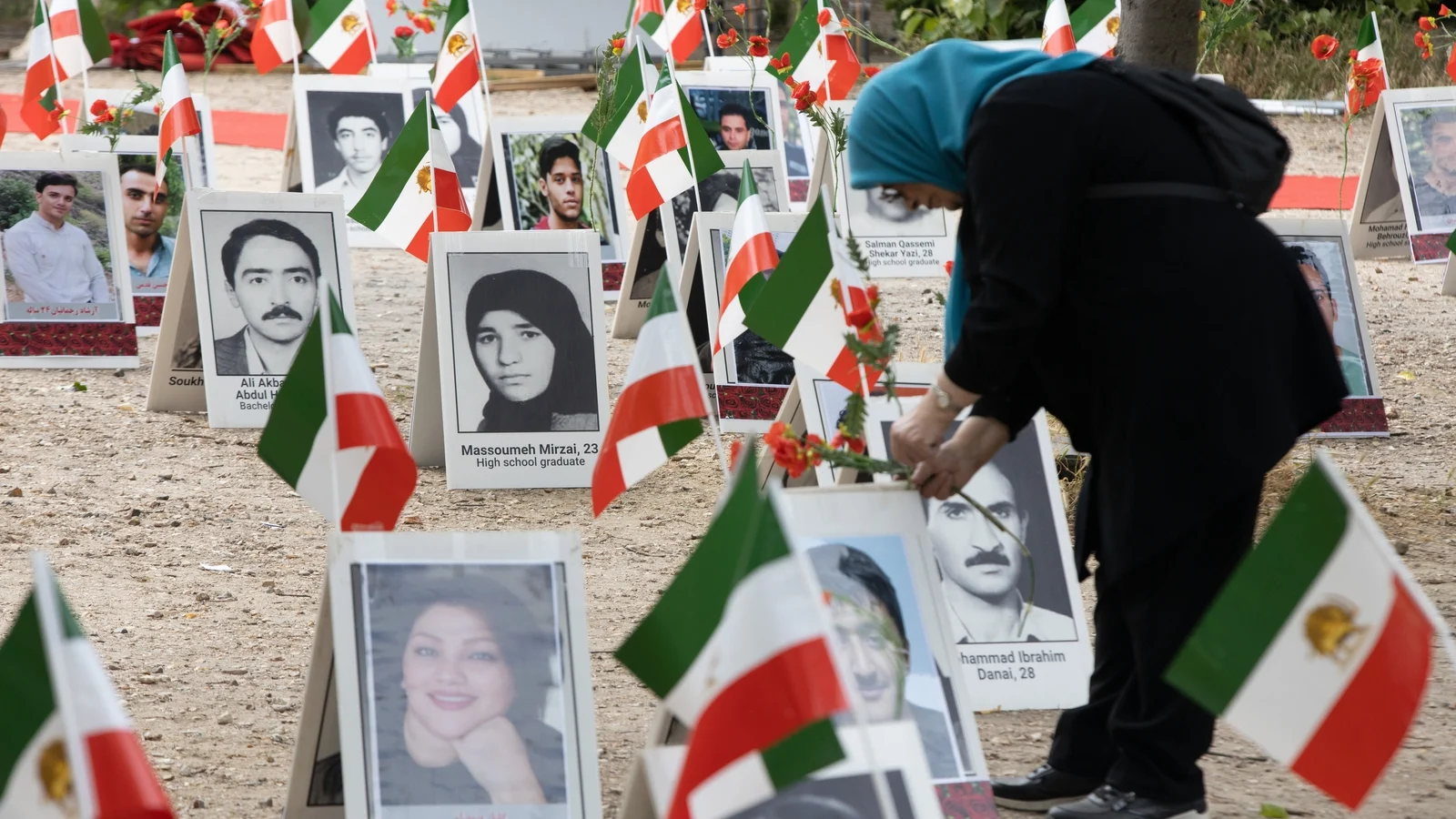
According to the UN rights office, the Islamic Republic reportedly executed roughly 1,500 people in the latest reporting year, and a large share of these executions were linked to drug-related offenses. The office said this trend dovetails with a broader, troubling rise in capital punishment in a handful of countries even as the global arc bends toward abolition.
- UN figures highlighted that nearly half of reported executions in Iran were connected to drug-related charges.
- The rights office also flagged patterns of secrecy around executions in multiple states, complicating efforts to verify figures.
- Similar trends were noted in several countries where drug offenses constituted a disproportionate share of death sentences.
“The scale and pace of executions suggest a systematic use of capital punishment as a tool of state intimidation,” Mr. Türk said in a statement that reverberated through rights networks and diplomatic backchannels.
Why this matters beyond borders
This is not simply an internal security matter. The tension between state survival and popular grievance echoes across the globe. Governments facing socio-economic upheaval have a narrow set of choices: listen and reform, or clamp down and risk escalating cycles of violence.
Consider the information blackout. In the modern era, cutting off internet and mobile access is a blunt instrument to control narratives. But it also leaves families blind and journalists without a path to verify claims — a vacuum that breeds rumor, grief and rage in equal measure.
Faces behind the headlines
Walk a few blocks from the glass towers to a neighborhood where tea steams in tiny glasses and old men still play backgammon at the corner café. These are not the actors in official broadcasts. They are neighbours whose lives have been interrupted.
“They told us to be calm,” says Hassan, a retired teacher. “But how do you be calm when your granddaughter cannot find work? When the price of bread goes up and the pensions do not?” His eyes are steady. “We need more than words from Tehran’s podiums.”
In an alley, a young woman named Laleh ties her hair back and laughs hollowly. “People said the protests were hijacked by outsiders,” she told me. “But our demands were not written by foreign hands. They were written by empty cupboards.”
Questions for the reader
When a state frames dissent as foreign manipulation, what does that do to the space for legitimate grievance? When governments answer economic pain with threats of capital punishment, what does that say about the social contract?
And for those of us watching from afar: when do we speak up, and how do we listen without simplifying a profound and painful complexity into a single narrative?
What comes next—and why it matters
The immediate future is fraught. The ultimatum invites people to choose between surrender and flight; state promises to address living conditions must be weighed against an arsenal of punitive tools. At its heart, this story is about authority and its limits — about whether a government can rebuild trust after a rupture that has burned buildings and, possibly, lives.
There are no tidy endings here. Political change rarely arrives cleanly. It arrives in the careful weaving of new bargains, in reparations, in reforms that are felt in the day-to-day — in wages, schools, and the ability to speak without fear.
For now, Tehran smolders under a silence that is not peace. Families wait. Journalists wait. The world watches — and wonders whether mercy, reform, and justice can outlast the rhetoric of repression.
What would you do if faced with the choice between silence and stepping into danger for the chance of a better life? How do societies hold both the weary and the defiant without breaking? These are not questions with easy answers. But they are questions that matter.