A sudden lull in the skies over Iran is holding for now after President Donald Trump halted a bombing campaign that had run for nearly two weeks, prompting Tehran to signal it will also pause its own strikes if the United States keeps its jets grounded.
Following 13 consecutive nights of escalating US air strikes, the Pentagon suspended operations last night. No US attacks were reported yesterday or today.
Iran had been answering each night of US strikes with attacks on neighbouring countries that host US bases, but it too has refrained from launching strikes for the past two days.
At the United Nations, US ambassador Mike Waltz said President Trump ordered the pause to create space for diplomacy.
“He’s giving talks some space, he’s giving it a little bit of room,” Mr Waltz told Fox News, without offering additional specifics.
A senior Iranian official, speaking anonymously, told Reuters that Tehran’s stance remains contingent on US restraint. “Iran’s position remains ‘attack for attack’: if the attacks stop, Iran will also halt its operations. That message has already been conveyed to the United States.”
The official warned the pause does not mean Iran is standing down altogether. “However, Iran is prepared to mount a broad response should the US launch another attack.”
Pressed on the reasoning behind the US decision, a senior official in Mr Trump’s administration said the president “has always been clear that his preference is diplomacy, but he has shown Iran what will happen if they fail to come to the table in a serious way”.
Iranian missiles on show in Teheran as Iran also paused attacks
Despite the two-day calm, the Iranian source said Tehran is not reading the US pause as a dramatic change in approach.
“There is more scepticism than optimism about the halt in attacks. The prevailing view is that the pause is tactical rather than genuine. Iran has accumulated enough bitter experience with what it sees as US deception,” the source said.
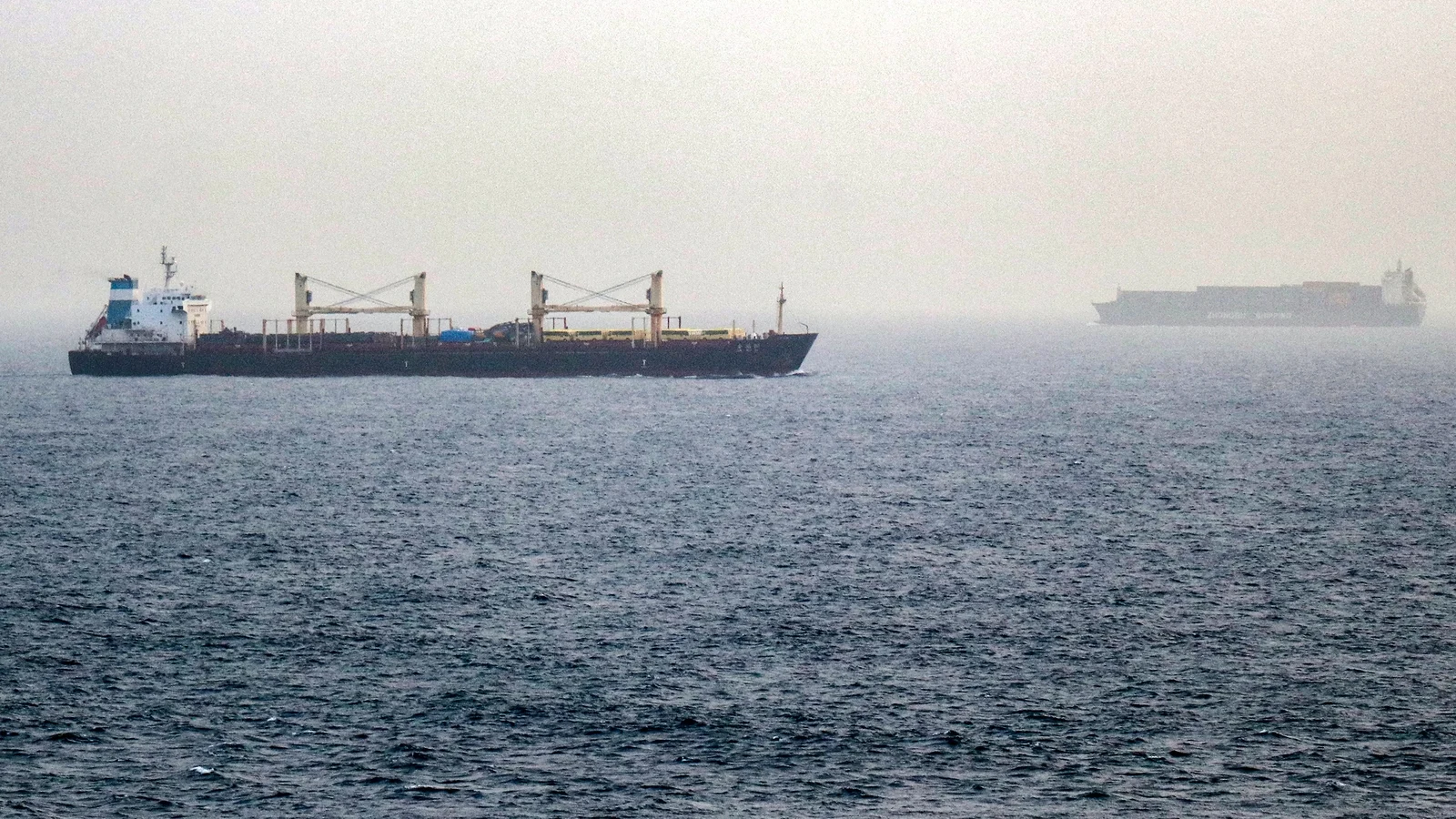
The United States has described its nightly strikes on Iran as retaliation for Iranian attacks on shipping in the Strait of Hormuz.
Iran, for its part, says it aims to retain control of the strait, regarded as the world’s most important energy shipping route.
The two-week US campaign has effectively derailed last month’s interim agreement intended to end the war the United States and Israel launched in February.
Read more:
Latest Middle East stories
The New York Times and CNN reported that Mr Trump stepped back from plans to widen the war with larger military options after some advisers raised concerns on Friday, including questions over whether US missile defence stocks were being depleted by the effort to protect American bases in the region.
Both outlets said Pentagon Chief of Staff Dan Caine was among those who voiced such worries.
CNN also reported that Vice President JD Vance expressed reservations.
Axios reported that Mr Trump had been receiving strike plans from the Pentagon each afternoon for two weeks and approving them nightly, until Friday when a new plan was presented and he chose not to proceed.
Trump’s pause has arrived at a delicate moment in the conflict, with Washington and Tehran probing how far each can push after a ceasefire ended major fighting in April and the interim agreement reopened Hormuz in June.
US forces have already hit bridges and tunnels in southern Iran, and Iran responded by striking water desalination plants relied upon by nearby Gulf Arab states to keep their desert cities supplied.
Over the past week, Iran’s Houthi allies in Yemen have announced a blockade on Saudi oil in the Red Sea, a move that could threaten a second key chokepoint for global energy shipments.
That escalation helped push benchmark Brent crude above $100 for the first time since May.
Yesterday, the Houthis fired on Saudi Red Sea oil targets for the first time in years.
Saudi-led coalition strikes Hodeidah
In Yemen, officials said the air force of the Saudi-backed, internationally recognised government — which has fought the Houthis for more than a decade — struck Houthi sites in the Marib and al-Jawf provinces.
The officials said both sides in Yemen’s civil war were mobilising forces along the front.
Saudi Arabia has led an Arab coalition battling the Houthis since the Iran-aligned group seized Yemen’s capital, Sanaa.
The civil war, in which famine and fighting killed hundreds of thousands, has been paused by a ceasefire since 2022.
But that truce broke down this month, with the Houthis effectively joining the broader war their Iranian allies have waged since being attacked by the United States and Israel five months ago.
The Houthis have declared a naval blockade of Saudi Arabia over the past week, and Houthi leader Abdul Malik al-Houthi said all Saudi oil facilities could be targets.