A Fragile Passage: The Strait of Hormuz Reopens—and the World Holds Its Breath
At first light along the Iranian coast, fishermen in Bandar Abbas brewed tea and watched an empty horizon the way people watch a sleeping city—expectantly, nervously, as if anything could wake it. For three weeks the sea lanes that feed the modern world had been eerily quiet. Then, like the hesitant first notes of a symphony, news arrived: Tehran would temporarily reopen the Strait of Hormuz after a US-brokered 10-day truce between Israel and Lebanon showed early signs of holding.
“We heard it on the radio and went down to the quay,” said Karim, a 54-year-old fisherman who asked that only his first name be used. “You can feel it in your bones—hope, but also the sense that this can change overnight. We don’t trust the horizon yet.”
The strait is not only a slice of shimmering water; it is a circulatory system for global energy and commerce. Historically, about one-fifth of seaborne oil trade has transited the narrow chokepoint, moving millions of barrels every day into global markets. When it closes—partially or entirely—prices spike, industries stutter, and small businesses halfway across the world feel the pinch.
The Deal and the Catch
Iran’s Foreign Minister, Abbas Araqchi, posted that the strait would be open to all commercial vessels for the duration of the ten-day truce. The pause follows an agreement between Israel and Lebanon, brokered by the United States, after weeks of escalating hostilities that saw Hezbollah enter the fight and an intensifying Israeli offensive that has killed nearly 2,300 people, according to Lebanese authorities.
At a campaign rally in Arizona, President Donald Trump hailed the announcement as “a great and brilliant day for the world.” Yet the relief was cautious: Washington has tied the reopening to its own naval measures. The US has imposed a blockade on ships heading to Iranian ports, a pressure tactic it says will remain “until our transaction with Iran is 100% complete,” Mr. Trump told Reuters.
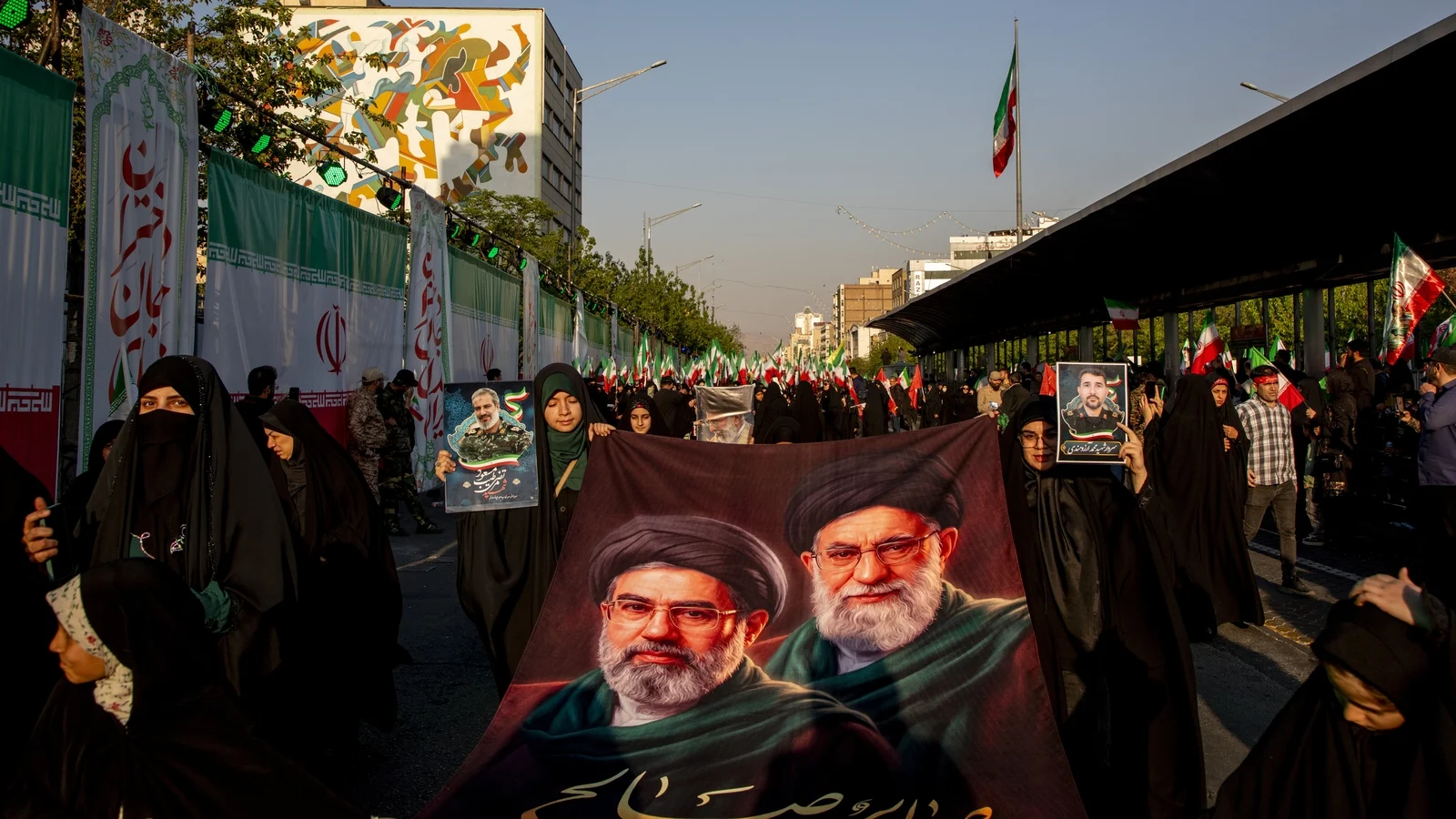
In Tehran, the reaction was blunt. Senior officials warned that the strait could be shut again if the blockade continued. “The Strait of Hormuz will not remain open if our ports are blocked,” said Mohammad Baqer Qalibaf, the parliament speaker, in a social media post that reflected the acute sensitivity in Tehran to perceived encirclement.
Movement, Then Retreat
Shipping data captured a tentative test of the water: roughly 20 vessels—container ships, bulk carriers, and tankers—moved toward the strait. For many, the transit proved momentary; most ships turned back, the reasons unclear. Among them were three container vessels operated by French giant CMA CGM, which declined to comment. It was the largest attempted movement since the conflict began.
“We run risk assessments by the hour now,” said Elena Morales, a senior maritime risk analyst in London. “Even a single mine or a claim that a vessel must coordinate with the Islamic Revolutionary Guard Corps changes the calculus for insurers, charterers, and port operators. The announcement reduced one layer of uncertainty, but it also introduced new ones.”
One such new rule: Iran now requires all ships to coordinate with the Islamic Revolutionary Guard Corps (IRGC), something that was not standard before the recent fighting. Iran’s Defence Ministry also said warships and vessels linked to “hostile forces”—a clear reference to the US and Israel—are still barred from passage.
Mines, Market Ripples, and Global Offers
Commercial maritime insurers and naval authorities sounded warnings about sea mines and unexploded ordnance. The US Navy advised mariners that the mine threat was still not fully understood and urged caution. That caution had quick economic consequences: oil prices tumbled by roughly 10% on the news that shipping might flow again, while global stock markets rallied on the prospect of easing supply-chain pressure.
More than a dozen countries, after a video conference called by Britain, said they were prepared to join an international mission to protect shipping in the strait—should conditions permit. The offer reflects both the strategic importance of the waterway and the anxiety of nations whose economies depend on steady flows of energy and goods.
Diplomacy on a Tightrope
Negotiations continue on multiple fronts. Iran says it will not surrender its right to a civilian nuclear program; the US has pushed for a sweeping limitation. At talks in Islamabad last weekend, the US reportedly proposed a 20-year suspension of Iranian nuclear activity, while Tehran offered a shorter pause—three to five years—according to participants. Two Iranian sources suggested there were glimmers of compromise on removing a portion of Iran’s enriched uranium stockpile; President Trump said the US would remove that material.
“We’re going to go in with Iran, at a nice leisurely pace,” Mr. Trump told Reuters, speaking about the plan to remove enriched materials. “We’ll bring it back to the United States.” Iran’s spokesperson fired back that the material would not be transferred anywhere.
Behind the formal wrangling sit human stakes: Iran hopes a preliminary agreement could extend the ceasefire and unfreeze billions of dollars in assets as part of a larger deal that might also include compensation for wartime damage. A Pakistani source close to the mediation suggested an initial memorandum of understanding could be followed by a comprehensive peace agreement within 60 days—if the fragile momentum holds.
Voices from the Frontlines
“We want bread, not headlines,” said Layla, a shopkeeper in a coastal town near the strait, winding a scarf around her wrist. “Every time they say the passage is open, someone says it might close again. My suppliers have been delayed for weeks. People are tired of politics dictating whether they can buy flour.”
A veteran cleric, Ahmad Khatami, spoke at prayers with a tone that underlines the internal tensions in Tehran: “Our people do not negotiate while being humiliated.” That sentiment captures a broader dilemma—how to reconcile national dignity with the economic and human costs of protracted conflict.
What the Reopening Means—and What It Doesn’t
The temporary reopening is a sliver of relief in a season of instability, not a return to normalcy. Mines remain a menace; rules of passage have changed; and the shadow of further closures looms. For seafarers who have become adept at reading both the weather and politics, this is another day to be cautious.
So what should the world take from this? That chokepoints like Hormuz are more than oil pipelines; they are focal points where diplomacy, military posture, commerce, and everyday livelihoods converge. A single tweet, a naval order, or a cleric’s sermon can ripple across continents.
And for you—where do your priorities lie when global security intersects with daily life? Would you accept tough diplomatic compromises to keep tanker lanes open, or insist on firmer guarantees even if it risks renewed confrontation? The answers are not abstract—they will shape insurance premiums, energy bills, and the next generation’s memory of whether the sea can be a passage for peace.
For now, the horizon remains watchful. The tea cools in the cups along the quay. Ships will try again. Leaders will meet. And somewhere between the ebb and flow of waves, lives will be rearranged by decisions made in rooms far from the water’s edge.