Nightfall in Tehran: Pots, Fireworks and a Country Holding Its Breath
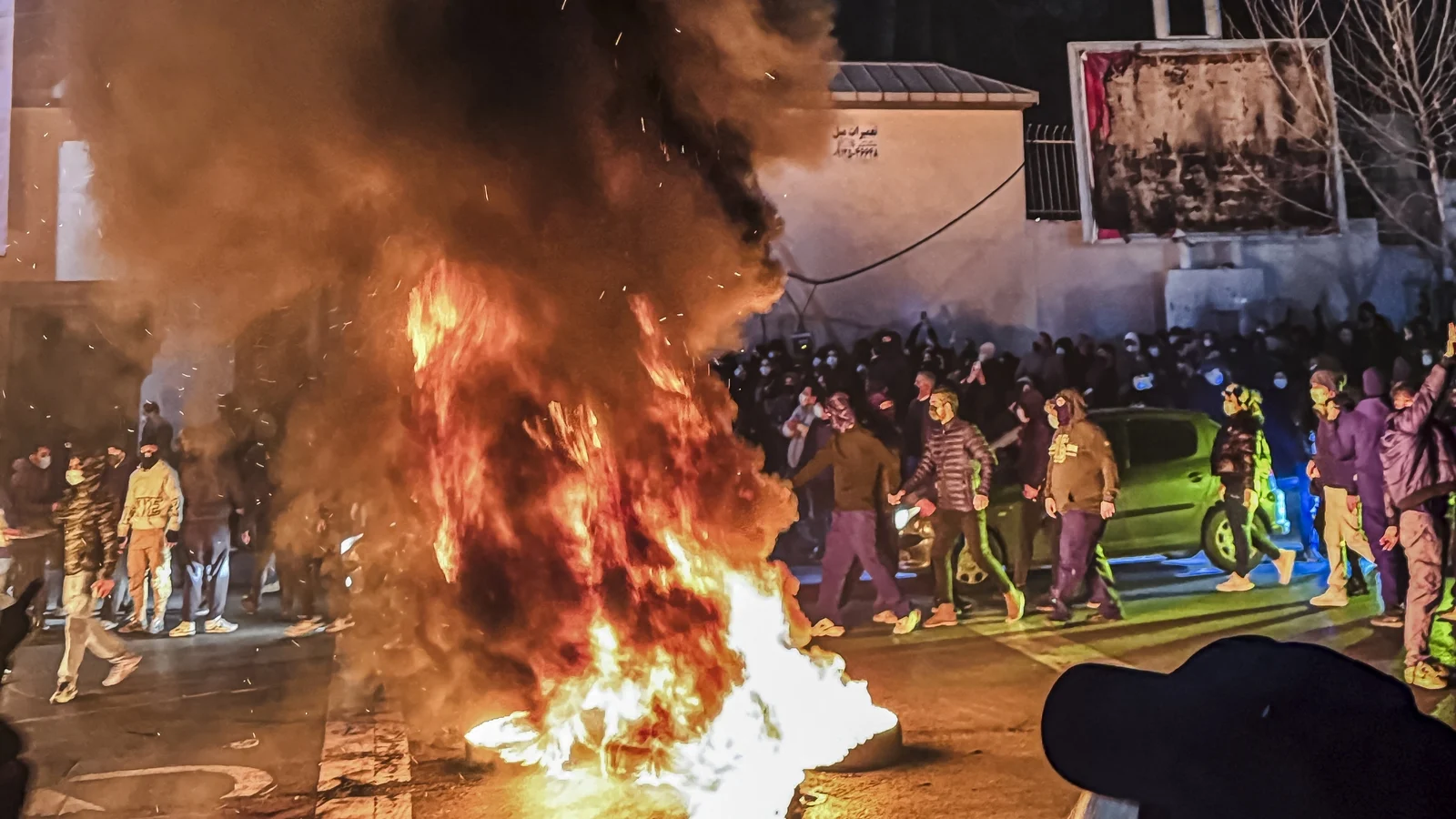
On a cold evening in Tehran, the city alternated between silence and explosive clamor. Streets that, earlier in the week, thrummed with traffic and the daily rituals of life—bread ovens warming, tea steam rising from samovars—fell into eerie darkness as an internet blackout stretched past 60 hours. Then, intermittently, the quiet was broken: fireworks, the sharp percussion of pots and pans, the rising chant of a crowd. These were not the noises of celebration. They were the sounds of a society testing its limits.
“We banged pots because we had nothing else to make our voices heard,” said one shopkeeper in the Saadatabad district, pausing to look up at the empty boulevard. “It’s how we say we’re awake. We’re not hiding.”
What’s Happening — In the Streets and on the Wires
Across Tehran and in cities from Mashhad to Tabriz and Qom, reports and verified footage showed thousands of people in the streets. Some carried the lion-and-sun flag of the pre-revolutionary era. At the Iranian embassy in London, witnesses said that the same Shah-era flag briefly flew from a balcony, a visual echo of the defiance playing out thousands of miles away.
But the images are partial and fragmentary. Netblocks, the digital rights monitor, reported the blackout had passed the 60-hour mark—an enforced digital silence that activists, lawyers and human rights organizations warn is a direct threat to safety at a moment when on-the-ground information is a lifeline.
Norway-based Iran Human Rights has, as of the latest figures, reported at least 51 deaths in the crackdown, while Amnesty International said it is analyzing “distressing reports” that security forces have intensified the unlawful use of lethal force. Both organizations caution the toll could be higher.
Voices from the Ground
“You can’t see everything because the lines are cut,” said an emergency-room nurse who asked not to be named for fear of reprisals. “When ambulances try to move, we don’t know if the streets will be safe. People bleed in silence.”
Another protester, a university student, described the mood as “urgent and tender at the same time.” “We chant and we cry,” she said. “Some of us shout against the leadership—‘death to Khamenei’—because it’s what we feel. But also we shout for mothers, for jobs, for dignity.”
Power, Projection and the Risk of a Wider Conflict
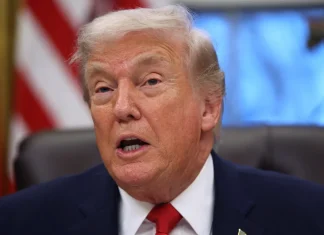
On the international stage, tensions were rising as quickly as the fireworks. President Donald Trump publicly warned Iran’s rulers against using force and said the United States stood “ready to help.” That rhetoric was echoed in private and semi-private conversations: an Israeli source said Israeli Prime Minister Benjamin Netanyahu and US Secretary of State Marco Rubio spoke by phone about the possibility of US involvement; a US official confirmed the call, though not its content.
Inside Tehran, the leadership has pushed back. Supreme Leader Ayatollah Ali Khamenei denounced demonstrators as “vandals” doing the bidding of foreign powers. State television aired images of funerals for security forces killed in the unrest and of buildings—mosques among them—burning.
And then there is the most chilling of entanglements: warnings from Tehran that any foreign attack would make Israeli targets and regional US bases “legitimate” for retaliation. Parliament Speaker Mohammad Baqer Qalibaf’s comments were blunt, a public calculus that turns domestic unrest into a strategic poker game with the region’s superpowers.
How Real Is the Threat of Outside Intervention?
Analysts say the risk is real but complicated. “Foreign intervention is a double-edged sword,” said Dr. Leila Farzan, a Middle East security analyst based in Istanbul. “It can empower a movement in the short term, but it also allows the regime to paint dissent as foreign-instigated, giving them moral and legal cover for repression. That’s why the rhetoric is so inflammatory now.”
Israel, according to sources who attended security consultations, is on high alert for a scenario in which the US might feel compelled to act. But an Israeli government spokesman told journalists that Israel had not signalled a desire to intervene; the public posture remained cautious, focused on defense and deterrence.
Local Rituals of Resistance
Protest tactics have been as much about symbolism as mass mobilization. In Tehran’s neighborhoods, you could measure the movement by the clanging of pots at sundown, the sudden chorus of car horns, the brief, daring unfurling of banned symbols. Reza Pahlavi, in exile in the United States and son of Iran’s deposed shah, issued a call for more targeted occupation of city centers—but the reality on the ground was improvisation: small bands moving through streets, flash demonstrations, the sudden heat of a corner where two hundred people had gathered to chant.
“It feels like a chessboard,” said a middle-aged factory worker who joined a midday march in Tabriz. “You move one square and watch for the response. You learn who stays, who runs.”
Everyday Life Amid Disruption
The blackout is not abstract. On Monday, a man in Tehran described his inability to check work email—an annoyance, he said, but also “the price to pay before the victory of the people,” a phrase he offered with both hope and weary resignation. Cafes and shops closed early. A café manager who was preparing to shutter at 4pm told a visiting reporter, “The area is not safe,” and locked the door.
Why This Matters Beyond Iran
These events are not merely domestic skirmishes. They touch on the global themes of digital repression, diaspora activism and the challenge of international responses to authoritarian crackdowns. How do democracies support human rights without providing the pretext for violent nationalist responses from regimes? How does a movement maintain momentum when its primary tools—social media, encrypted messaging, global attention—are severed?
European leaders, including European Commission President Ursula von der Leyen, publicly urged restraint and expressed support for the protesters’ right to demonstrate. But words, now more than ever, need to be matched by careful policy that does not sacrifice lives for headlines.
Questions to Sit With
- Can a movement survive in the dark—both physically and digitally?
- What responsibility do outside powers have when rhetoric escalates to implied military action?
- How will a generation raised on global connectivity continue to organize when their networks are severed?
Looking Ahead
For now, Tehran waits. The pots have been put away in some neighborhoods; in others, the noise continues into the night. Families huddle at home, counting loved ones, trying to parse rumor from fact. Human rights groups are calling for independent investigation into deaths and for an end to the blackout. The world watches through splintered feeds and carefully worded diplomatic statements.
“We don’t seek war,” the shopkeeper said quietly. “We want to breathe. We want to walk without fear.”
That simple human desire—breathing, walking, living—sits at the heart of this unrest, and it is a reminder that behind the headlines are people making impossible choices. As the international community debates strategy and leaders trade warnings, those choices persist week after week, hour after hour.
Where does solidarity end and interference begin? And how do ordinary citizens carve out space to be heard when every digital lifeline is cut? In the dark, these questions weigh heavy—more than politics, more than posture. They are, in the end, about survival and dignity. The answer may determine not just the future of Iran, but the shape of protest and repression around the globe.