On a Quiet Street in Tehran, the State’s Quietest Violence Continues
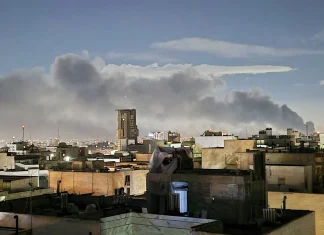
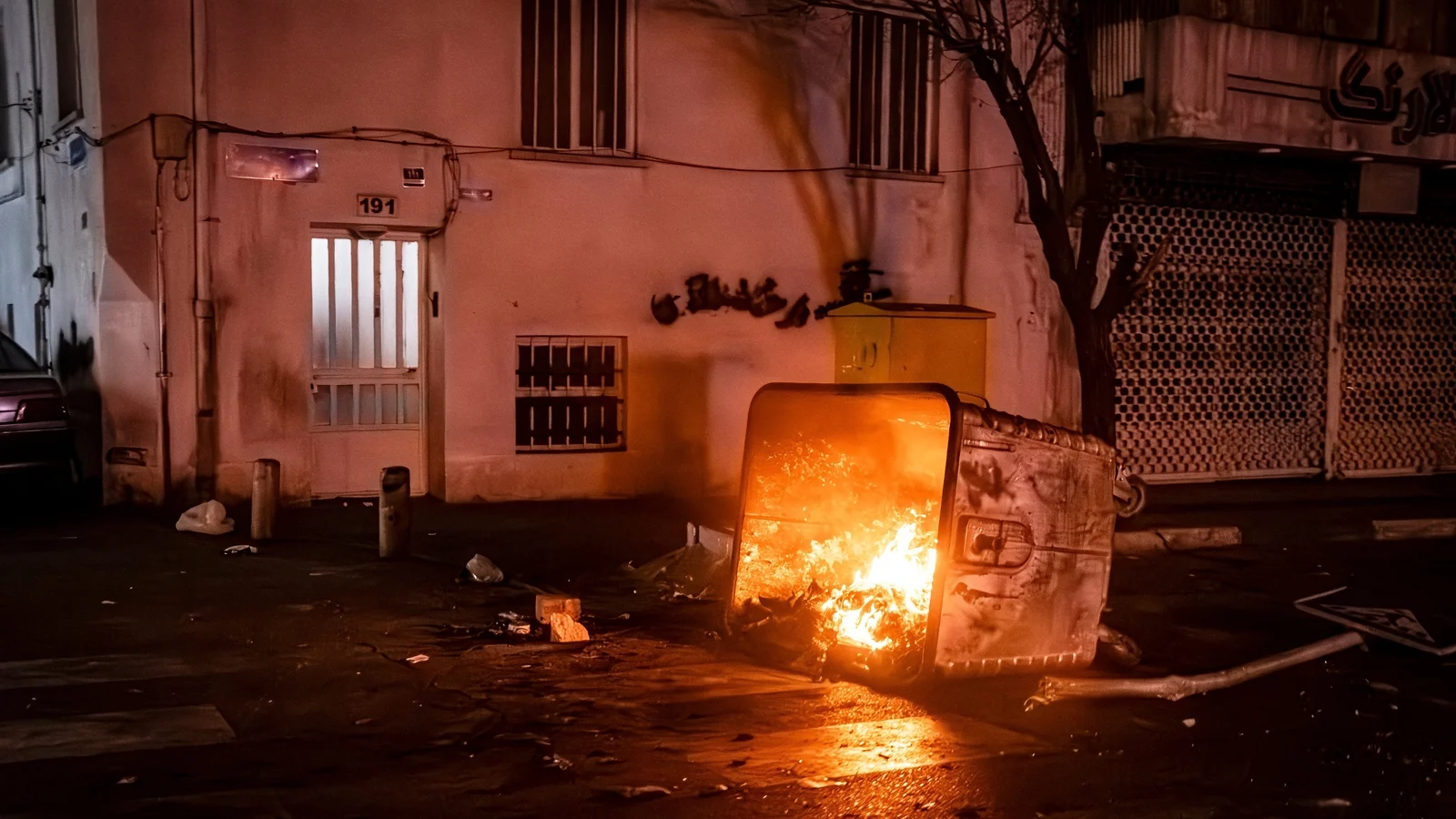
There is a particular hush that falls over parts of Tehran after dark these days — not the silence of peace, but the thin, watchful quiet of people who have learned to measure their words. Shopkeepers roll down metal shutters a little earlier. Neighbours exchange news in hushed tones. A man rides by on a motorbike, his face half-hidden beneath a scarf; he pauses, looks at the sky as if searching for a reason, and then keeps going.
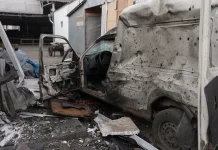
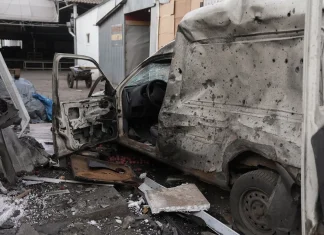
It is in that atmosphere that the Iranian state carried out another execution this week: 23-year-old Ali Fahim was put to death after being convicted, authorities say, of taking part in an attack on a Tehran base of the Basij — the paramilitary volunteer arm of the Islamic Revolutionary Guard Corps — during nationwide protests in January.
His death was confirmed by official outlets and tracked by international rights groups. It is not an isolated act. In the last eight days alone, the Norway-based Iran Human Rights (IHR) reports that ten people considered “political prisoners” have been executed — four connected to the January protests, six on charges of membership in the outlawed People’s Mujahedin of Iran (MEK). Seven men were originally sentenced to death over the Tehran base incident; four have now been executed, including Fahim, leaving three at imminent risk, advocates say.
What the Courts Say — and What Critics Say Back
The judiciary’s Mizan Online website portrayed Fahim in stark terms: “one of the enemy elements in the terrorist riots,” a shorthand the state often uses to frame protesters as foreign-backed subversives. It said the supreme court had approved the original verdict.
Human rights activists and legal observers contest that narrative. The IHR has alleged that Fahim and his co-defendants were “subjected to torture and denied access to legal counsel” and tried in what it called a “grossly unfair” fast-track trial presided over by Judge Abolqasem Salavati — a judge who was sanctioned by the United States in 2019 and widely nicknamed the “Judge of Death” for his frequent use of capital punishment.
“These executions are part of the Islamic republic’s strategy of survival — waging war against its own people under the shadow of external conflict,” said Mahmood Amiry‑Moghaddam, director of IHR. “The international community must respond with urgency. The situation of prisoners and the regime’s systematic use of the death penalty must be made a central condition in any negotiations or engagement with the Islamic republic.”
Amnesty International, too, has been blunt: the executions represent a judiciary that functions as a “tool of repression, sending individuals to the gallows to spread fear and exacting revenge on those demanding fundamental political change.” That sentiment echoes on Tehran streets, where people talk about reprisals and the chilling effect of public punishment.
Numbers that Refuse to Stay Abstract
Facts and figures can numb us — until you attach names to them. Iran is, according to multiple rights organisations, one of the countries with the highest rates of execution in the world. In the rolling litany of recent days, the names are painfully specific: Mohammad‑Amin Biglari, 19; Shahin Vahedparast, 30; Amir Hossein Hatami, 18 — all executed in connection to the same case.
These are young lives, with birthdays and mornings and small acts of defiance that led them, by the state’s account, to a rope. Whatever the charges, the swiftness of the process and the frequency of executions make them feel less like isolated sentences and more like a pattern — an instrument of deterrence and retribution.
Voices from the Ground
“We are afraid to talk openly,” said a tea seller near Azadi Square, whose name I do not publish for safety. “Every family knows someone who has been taken, or who has been called into a station at night. When the men from the neighbourhood park their vans across the road, people step inside their houses and draw the curtains.”
A woman who identified herself as a cousin of a young man on death row described the anguish in simple, heartbreaking detail. “He called me twice from prison,” she said. “The second time he whispered, ‘If anything happens to me, tell my mother I loved her.’ You cannot undo those words. We keep living, but parts of us are already gone.”
An academic in Tehran, speaking on condition of anonymity, framed the executions in strategic terms. “When you face external pressure — conflict at borders, sanctions — autocratic governments often turn inwards. They try to rally supporters by spelling out a clear, brutal cost for dissent. It’s a sad, predictable logic.”
Local Colour, Global Consequences
Walking through Grand Bazaar this week, I noticed everyday life continuing alongside a palpable grief. A fruit seller quoted the price of pomegranates while his eyes remained distant. A small poster calling for prayers for the dead was stuck on a telephone pole. In a city that has always been a mosaic of histories and hopes, grief now layers itself over ritual: the tea, the prayers, the slow recitation of names.
For many inside Iran, the slogans that have echoed since the unrest — especially the chant “Woman, Life, Freedom” that entered the international lexicon with the women’s rights protests — are a constant reminder that this is about more than single incidents. It is about a deeper contest over dignity, rights, and what the future of the country might look like.
How Should the World React?
Governments and international bodies now face an uncomfortable calculus. Should diplomatic engagements with Tehran be conditioned on human rights performance? Do sanctions and public condemnations save lives — or do they harden the state’s resolve?
Mahmood Amiry‑Moghaddam urged immediate action. “This is not merely about law; it’s about humanity,” he said. “If the world continues to treat the regime as a strategic actor only, without accounting for its domestic brutality, then we are complicit in the erasure of young lives.”
Many foreign policy analysts point out a paradox: the same geopolitical tensions that make Tehran a pivotal player on the regional stage — conflict with Israel, fractious relations with the United States — also provide the regime with the pretext to clamp down at home. External conflict can, in effect, become cover for internal repression.
The Human Toll and the Long View
Numbers, slogans, legal terms: they are all useful, but what lingers is the human shadow. Every execution reverberates outward — through family networks, through communities, through the sense of possibility for those who had once dared to imagine change.
So ask yourself: what does justice look like in a world where the instrument of death is wielded in the name of order? When does the pursuit of stability become the perpetuation of injustice? And if you live beyond Iran’s borders, what responsibility do you feel when a state uses the finality of execution to silence its critics?
There are no easy answers. But there are ways to act: supporting independent journalism, pressing elected representatives to prioritize human rights in foreign policy, and backing organizations working to document abuses and assist victims’ families. These actions may not undo what has already happened, but they keep the story from disappearing into the fog of geopolitics.
Back on the street where I began, the quiet persists. People still buy tea and bread; children still run past parked cars. But in their faces, and in the conversations that happen a little more carefully now, there is the knowledge that state violence is not only about bodies removed from the public square. It is about the way that fear reshapes everyday life, one hush at a time.