A ceasefire between Israel and Lebanon is set to take hold after negotiations in Washington, the Trump administration said, raising hopes that the truce could help unlock a broader agreement aimed at ending the US-Israeli war on Iran.
The announcement came as Tehran — which has tied any deal with the US in part to a halt in fighting between Israel and Lebanon — struck Kuwait earlier, damaging its airport and injuring dozens, while the US military carried out strikes near the Strait of Hormuz.
The Israel-Lebanon ceasefire hinges on a full halt to fire by the Iran-aligned Hezbollah militia and the removal of all its operatives from the South Litani Sector, according to a joint statement released by the US State Department after the Washington talks.
Israel and Lebanon agreed to a ceasefire last month, but clashes persisted.
Deligations from Israel and Iran during talks in Washington
Israel invaded Lebanon in March to pursue Hezbollah, which had fired across the border in support of Tehran.
Meanwhile, the incidents in Kuwait and around the Strait of Hormuz have further tested an already fragile ceasefire between the US, Israel and Iran, helping push oil prices up nearly 2% as the vital shipping lane remains largely closed more than three months after the US and Israel began strikes on Iran.
Kuwait suspended flights at Kuwait International Airport after an Iranian drone and missile attack damaged airport facilities and diplomatic missions, killing one person and injuring more than 60 others, according to Kuwaiti authorities and state media.
Kuwait Airways and Jazeera Airways later resumed flights after implementing safety measures, the civil aviation authority said.
Iran’s elite Revolutionary Guards said they did not fire at Kuwait’s airport and instead blamed the damage on US interceptor missiles that failed to hit their targets, Iranian state media reported.
The US military rejected that account, saying Iranian drones deliberately targeted the airport.
Earlier reports in Iranian media said the Revolutionary Guards had attacked the headquarters of the US Fifth Fleet in Bahrain, a US airbase, and a vessel identified as Panaya.
US Central Command denied its bases had been hit and said Iranian ballistic missiles failed to strike their targets in the region.
CENTCOM said it launched a fresh round of “defensive strikes” in southern Iran, targeting missile launch sites and Iranian boats it said were attempting to lay mines, and also carried out strikes on Qeshm Island near the Strait of Hormuz following attempted Iranian attacks.
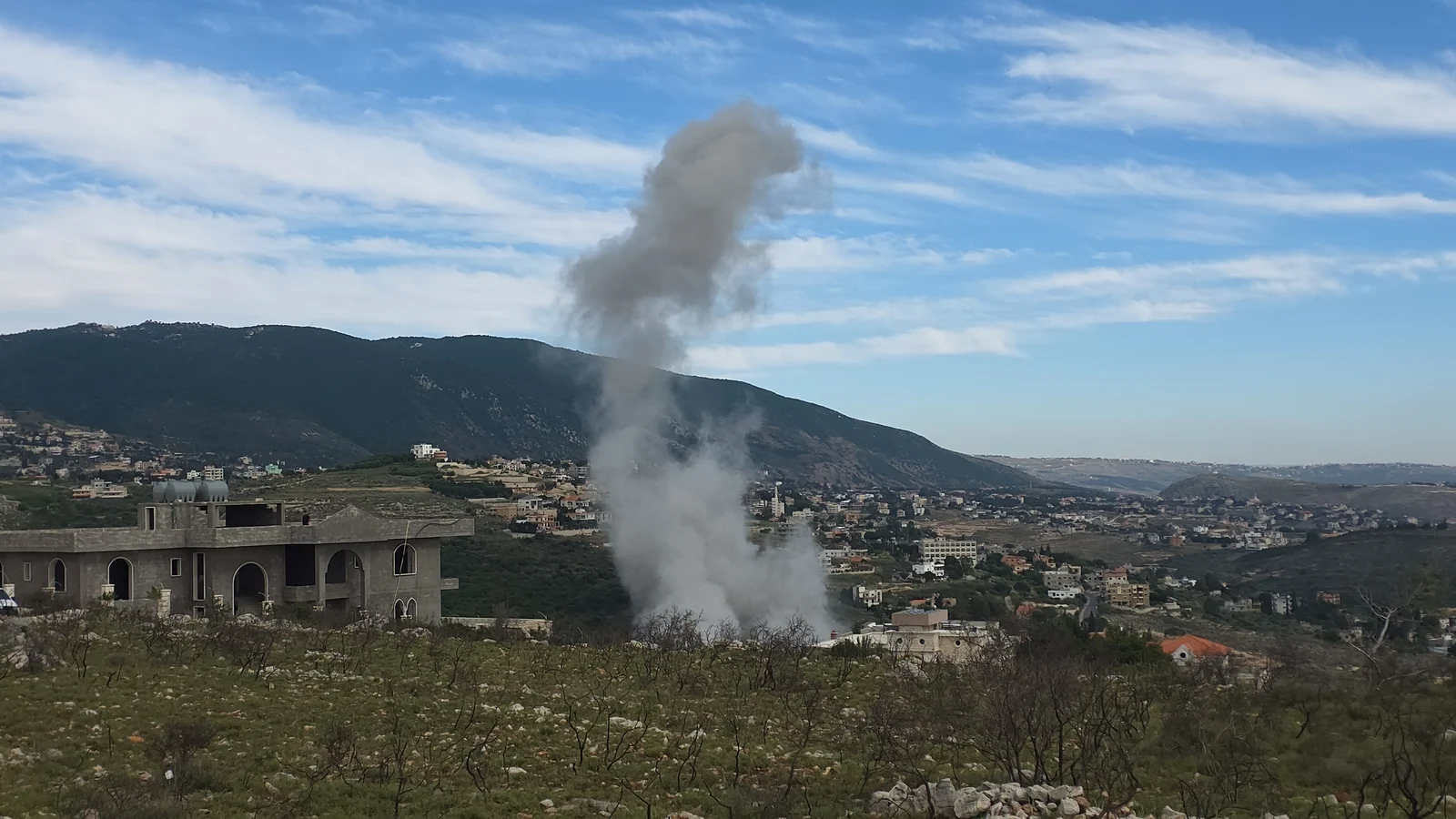
Aftermath view of an israeli airstrike in front of Jabal Amel Hospital in Tyre, Lebanon
Tehran has repeatedly hit targets across the Gulf since the US and Israeli strikes on Iran began on 28 February, with the region hosting several US military bases.
Despite a ceasefire agreed in early April, hostilities have flared intermittently in recent weeks as Washington has pressed to reopen the Strait of Hormuz — a chokepoint that handled roughly a fifth of global oil and liquefied natural gas shipments before the war.
Last week, Iran and the US signalled progress towards a tentative initial agreement aimed at stopping the war and reopening the strait, though neither side has yet signed off on the arrangement, which would leave tougher negotiations for later.
Iran’s Foreign Minister Abbas Araqchi told Lebanese broadcaster Al Mayadeen that talks had not been cut off, but said no progress had been made.
Alongside its demand for an end to fighting in Lebanon, Tehran is seeking access to billions of dollars in oil revenue, waivers on sanctions affecting crude exports, an end to a US blockade on its ports, and continued leverage over the Strait of Hormuz.
US President Donald Trump, facing pressure to bringdown fuel prices, has said his top priority is preventing Iran from acquiring nuclear weapons.
Iran insists its atomic programme is for peaceful purposes.
Doanld Trump suggested there could be progress in negotiations with Iran as soon as this weekend
In a podcast interview released yesterday, Mr Trump said Iran had agreed to not have a nuclear weapon and said Supreme Leader Mojtaba Khameneiwas involved in negotiations.
President Trump also indicated there could be movement in negotiations with Iran as soon as this weekend.
“If it happens, it could happen over the weekend,” Mr Trump told reporters in the White House’s Oval Office, without explaining what he expected within that timeframe.
President Trump said that parties were working to separate the question of reopening the strait from the conflict in Lebanon.
The war has killed thousands, mainly in Iran and Lebanon, and has inflicted global economic pain by severely disrupting energy supplies and other shipping.
It also ignited the latest round of conflict between Israel and Hezbollah.
Israeli drone strikes killed at least six people in southern Lebanon yesterday and hit a car just south of Beirut, Lebanese security sources said, while Israel said it intercepted a hostile aircraft it believed was launched by Hezbollah.
Mr Araqchi warned that Iran would respond decisively if Israel attacks Beirut.
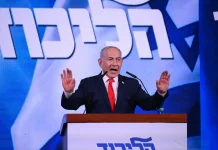
Mr Trump said in the podcast that he had called Israel’s Prime Minister Benjamin Netanyahu “crazy” during a phone exchange — reportedly laced with expletives — as he pushed for a deal covering the wider war while trying to curb the Lebanon fighting.
“At some point I said, Bibi, we got to stop this. We got to stop it,” Mr Trump said, using Mr Netanyahu’s nickname.
Mr Netanyahu told CNBC in an interview that he and Mr Trump sometimes had “tactical disagreements” but agreed on the main issues involving Iran.