The Last Return: A Body, a Family, and the Quiet End of a Chapter
There are moments in war that feel impossibly small and unbearably large at the same time: a polished metal box lowered from a military helicopter, a pair of parents who have been waiting for months to know whether their child is alive, and the hush that follows when a country realizes a chapter has closed.
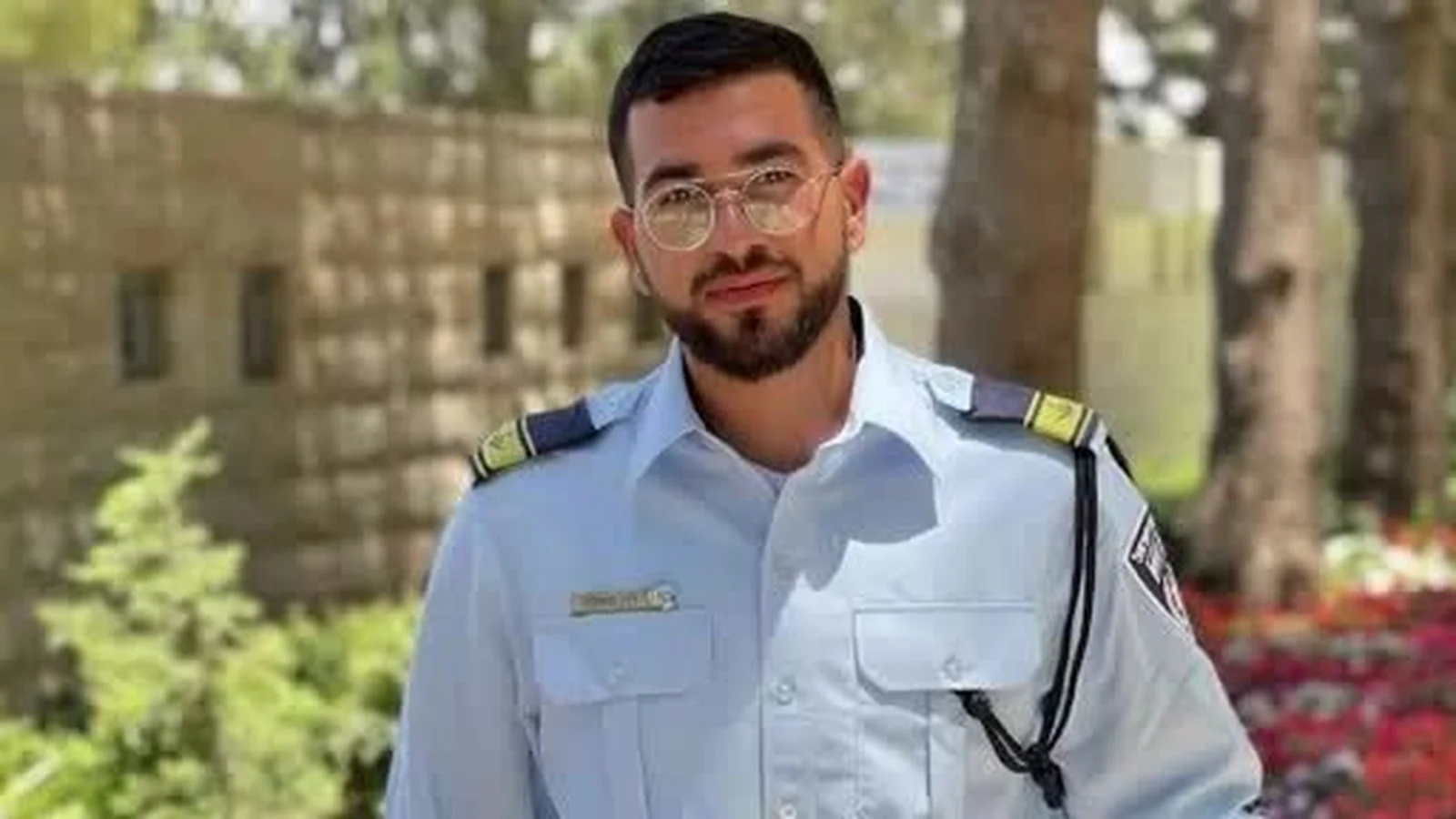
On a windswept morning that smelled faintly of dust and citrus groves, Israeli authorities announced they had recovered the remains of Police Officer Ran “Rani” Gvili — the last person taken from Israeli soil during the violence that erupted on 7 October 2023. For his family, and for a nation exhausted by headlines, the return marks the end of one brutal conditionhood in a larger, fragile ceasefire process brokered with U.S. involvement.
A nickname, a shoulder, and the decision to run toward danger
“He was the Defender of Alumim,” said Talik Gvili, his mother, at a candlelit vigil months ago. “That’s what the kibbutz called him. He liked being the one who stayed behind.”
Those who knew Ran remember a man of quiet force — a non-commissioned officer in the elite Yassam police unit stationed in Israel’s Negev. He was on medical leave ahead of a shoulder surgery and had been working on renovations at his parents’ home in Meitar. In the days before the attack, his father would later recall, Ran had been doing physical labor alongside a Palestinian construction worker from Gaza — an image that underscores how intimate and complicated life on the margins of conflict can be.
When news of the assault reached him, he drove toward the sound of gunfire. Outnumbered and in pain, he joined his unit near the kibbutz of Alumim and fought. “We were both wounded,” said Colonel Guy Madar, the last comrade to see him alive. “He ran to open a breach — to protect the kibbutz. He never stopped moving forward.”
From a battlefield to a coffin: the long wait for answers
Of the 251 people abducted on that October day, families waited almost unbearably for clarity. Many were released in prisoner exchanges or returned alive as ceasefire negotiations progressed; for months, 250 names fell slowly off that list. Ran’s remained.
It was not until January 2024 that Israeli authorities told Ran’s parents that he had been killed on the battlefield and that his remains had been taken into Gaza. The notification came months after the fighting and after a haze of rumors, prayers, petitions, and public demonstrations that had pulled at the nation’s nerves.
“He ran to help, to save people… even though he was already injured before 7 October,” his father said at a gathering of supporters. “That was Rani — first to help, first to jump in.”
Politics, ceasefires, and the difficult business of closure
The return of Ran’s body is not only a private solace. It is also a political fulcrum. The retrieval completes one of the stated conditions of a U.S.-brokered ceasefire framework — the return of all hostages and remains from Gaza — allowing a slow and contested next phase of the truce to proceed.
“We have brought them all back,” said Israel’s prime minister in a brief statement, framing the recovery as a national obligation fulfilled. Hamas, through spokesman Hazem Qassem, described the discovery as confirmation of the group’s adherence to the terms of the ceasefire agreement — a statement that, for many, underscored how much of the conflict remains choreographed by mutual leverage and public messaging.
For weeks, Ran’s family had resisted efforts to ease border restrictions at Rafah — the Gaza-Egypt crossing — insisting that their son’s remains be returned before wider openings took effect. The tension between humanitarian access and the deep, personal need for closure is one of the many painful trade-offs that shadow negotiations in conflict zones.
Voices from a small town
At a weekly gathering in Meitar, friends and neighbors spoke of Ran as someone whose presence was felt not by the size of his frame but by the warmth of his attention. “When he entered a room, you felt him,” said Emmanuel Ohayon, a close friend. “He had a way of making people feel seen.”
A neighbor, Miriam, whose small grocery sits at the corner near the Gvili home, paused when asked about the family. “They kept to themselves,” she said softly. “But there was always tea offered, always some bread shared with the workers. This town knows how to grieve quietly.”
What does ‘closure’ mean in a land where history keeps returning?
Closure, in practical terms, means the next steps of a diplomatic framework can move forward: more humanitarian aid may enter Gaza; crossings may open or widen; prisoners may be moved as part of second-stage exchanges. But for families, closure is a complicated and incomplete thing. It is a return of remains that enables burial, and with burial comes ritual, memory, and perhaps a sliver of peace. It is also a political event that will be dissected by opponents and allies alike.
“There are no winners in these cycles,” said Dr. Leila Mansour, a regional analyst who has followed previous hostage exchanges. “A return of remains is a moral and legal recovery, but it does not solve the structural drivers of violence: dislocation, blockade, political stalemate and the dehumanization that fuels each new round.”
Small moments that refuse to be forgotten
Ran’s story is stitched from small, intimate scenes: a shoulder strapped for surgery, a teenager hauling cement beside a Palestinian laborer, a mother speaking at vigils with a steady voice, a father who remembers his son’s impulse to stay and protect.
“He fought until the last bullet and then he was taken,” Talik told a crowd months ago, her voice steady in the face of a grief that has had no easy exit. “That’s how he lived.”
In a world that catalogues conflict by numbers, names like Ran’s force us back to singular human dimensions. They demand that we look at what is lost when the politics of war devour everyday lives: hands that held tools and tea cups, neighbors who shared work, plans for a surgery that never came to pass.
Questions for the reader
What do we owe the families who wait — not only to recover bodies, but to restore dignity and truth? How can ceasefires and international diplomacy balance the urgent needs of civilians with the very real demands families place on those agreements? And if a return of remains can signal an end to one phase, what will it take to prevent another beginning?
Perhaps the hardest truth is this: peace is not a single event. It’s a fragile set of choices, repeated, day after day. For Ran Gvili’s parents, for the people of Meitar, and for those in Gaza who mourn different losses, this return provides a narrow, necessary rest. The work of remembering and rebuilding — of confronting what allowed the single tragedy to ripple so widely — is only just beginning.