A Quiet Arrest, a Loud Question: What Happens When War-Time Secrets Leak into Politics?
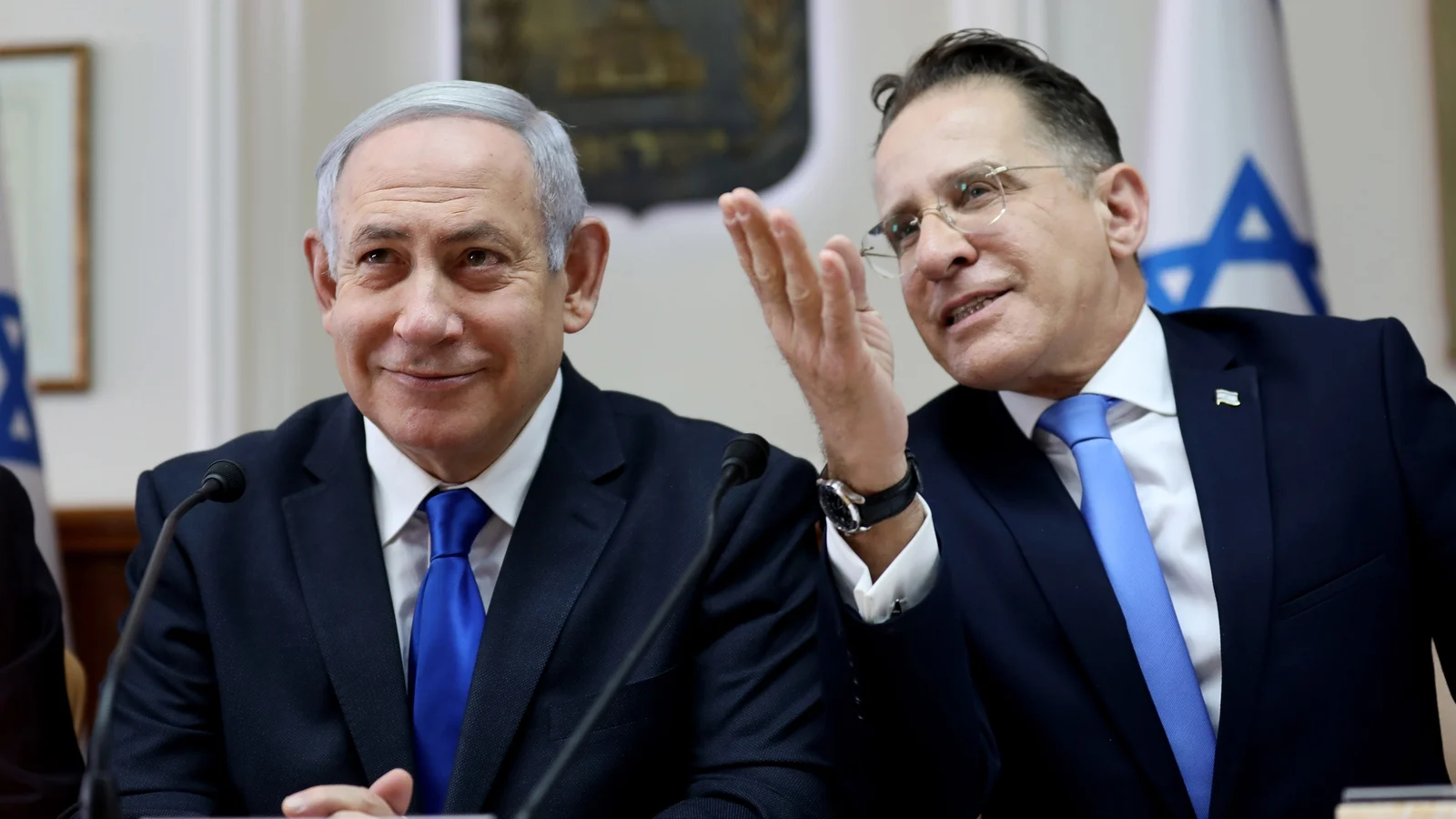
Early one gray morning in Jerusalem, the city that wears politics like a second skin, police tape fluttered outside a modest house and a sedan with darkened windows pulled up to the gates of the Prime Minister’s office. It was the kind of scene that forces you to stop scrolling and actually listen: a senior aide to Benjamin Netanyahu—named by several Israeli outlets as Tzachi Braverman, the man tapped to be Israel’s next ambassador to the United Kingdom—was taken in for questioning on suspicion of obstructing an investigation.
On its surface, this is a procedural blip: the police announced that a “senior official” had been detained and was being questioned under caution. But the story beneath that terse bulletin is layered with war, secrecy, political survival, and the thorny ethics of leaks that cross from the courthouse into the court of public opinion.
How a Leak Became a Political Earthquake
In September 2024, Eli Feldstein, a former aide to Mr. Netanyahu, drove a classified Israeli military document into the open by handing it to a German tabloid. The paper published it, and the document immediately took on the role of evidence—meant, according to its circulation, to show that Hamas had rejected ceasefire overtures and that hostages taken on October 7, 2023, could only be liberated through military pressure rather than negotiation.
That assault—seared into the Israeli collective memory—left thousands traumatized and saw hundreds taken captive. Whatever your politics, the question of how to secure the hostages’ release has been one of the defining moral dilemmas of the last 18 months. The leak was not just a bureaucratic breach; it was a high-stakes narrative weapon.
Mr. Feldstein was arrested and indicted for the leak. Then he told a story that set off a new wave: he alleged that Mr. Braverman had tried to shut down the military’s probe into the affair and had suggested he could “shut down” the investigation. For Israeli media and opposition politicians, this was a line that connected dots from the Prime Minister’s inner circle to what many see as the politicization of national security.
Neighbors, Journalists and Diplomats: Voices from the Ground
On a side street near the Prime Minister’s residence, a shopkeeper named Miriam, who has known many of the aides who drift through the corridors of power for decades, sighed when asked about the arrest.
“People here are tired,” she said. “Tired of secrets and tired of headlines. We don’t always know what’s true, but when something like this touches the military, it feels different—more dangerous.”
A former Israeli diplomat who asked not to be named described the potential diplomatic fallout in blunt terms. “If someone slated to represent Israel in London is under a police cloud, it makes the job immeasurably harder,” he said. “An ambassador needs credibility—both in the capital and in the community they represent.”
Across the political spectrum, reactions were swift. Yair Lapid, the opposition leader, called for the immediate suspension of the ambassadorial appointment, arguing that a person suspected of interfering with a serious security investigation should not be Israel’s public face in one of Europe’s most important capitals.
“The British public, the Jewish community in London, European leaders—they deserve clarity,” Mr. Lapid told reporters. “This is about trust.”
What Is “Qatargate,” and Why Does It Matter?
The arrest cannot be disentangled from the wider probe sometimes referred to in local press as “Qatargate.” Israeli authorities are investigating whether Mr. Feldstein and other associates of Mr. Netanyahu were recruited by Qatari interests to bolster Doha’s image in Israel. Qatar, for its part, hosts senior Hamas officials and has acted as a mediator between the group and Israeli authorities throughout the Gaza war.
“There is nothing inherently improper about a state engaging in diplomacy,” noted Dr. Ayelet Levi, a political scientist at Tel Aviv University. “But when those channels are used to manipulate domestic political narratives or to shield people from legal process, then it veers into a different realm.”
Whether Mr. Braverman is linked to the Qatari thread remains unclear; Israeli outlets report he is not a suspect in that particular strand. Still, the overlapping inquiries into leaks, alleged obstruction and foreign influence create a web of suspicion that has already led to several detentions and further interviews.
Leaks, Trust, and the Public’s Right to Know
Leaks in democracies are complicated. They can reveal wrongdoing and hold power accountable—or they can weaponize secrets to shape wars and elections. In this case, the leaked document sought to justify a hard line on Hamas by suggesting the insurgents were uninterested in a ceasefire. Whether that justification was accurate or politically convenient is now part of the contested narrative.
“There’s always a tension between national security and the public’s right to know,” said Daniel Rosen, an investigative journalist who has covered Israeli politics for two decades. “Leaks can be heroic. They can also be reckless. The measure is whether they advance public interest or partisan aims.”
Why This Matters Beyond Israel
Look beyond the immediate courtroom drama and you see a global story: democracies wrestling with how to manage sensitive information during wartime; alliances strained by perceived improprieties; and the increasingly blurred line between statecraft and media strategy. The United Kingdom—a close ally—will now watch closely as Israel sorts through the legal and diplomatic fallout. For many in London’s Jewish community, and for European diplomats, the prospect of a tainted ambassadorial appointment is more than symbolic.
And for citizens everywhere, this moment poses a question: how much of the machinery of national security should be visible? How do societies balance the rights of the public to know with the risks that information can pose to lives on the ground?
What Comes Next?
Police reportedly searched Mr. Braverman’s home, and Mr. Feldstein was expected to be questioned again. Investigations continue; arrests have already been made. The appointment to London has been called into question. But beyond the short-term political jostling, the episode may leave a longer legacy—one that touches on the credibility of institutions, the ethics of wartime communications, and the fragile architecture of trust between citizens and their leaders.
So I’ll ask you, reader: when the stakes are national security and human lives, where should the line be drawn? Should leaks be punished unequivocally? Or do they sometimes serve a higher civic purpose? In the fog of war and politics, answers are rarely neat. But the conversation is urgent—and, for many Israelis and others watching from afar, it’s far from over.