Indonesia’s busiest gateway to the world remained shut longer than expected today, as volcanic ash from Mount Anak Krakatau continued to upend air travel and strand hundreds of thousands of passengers.
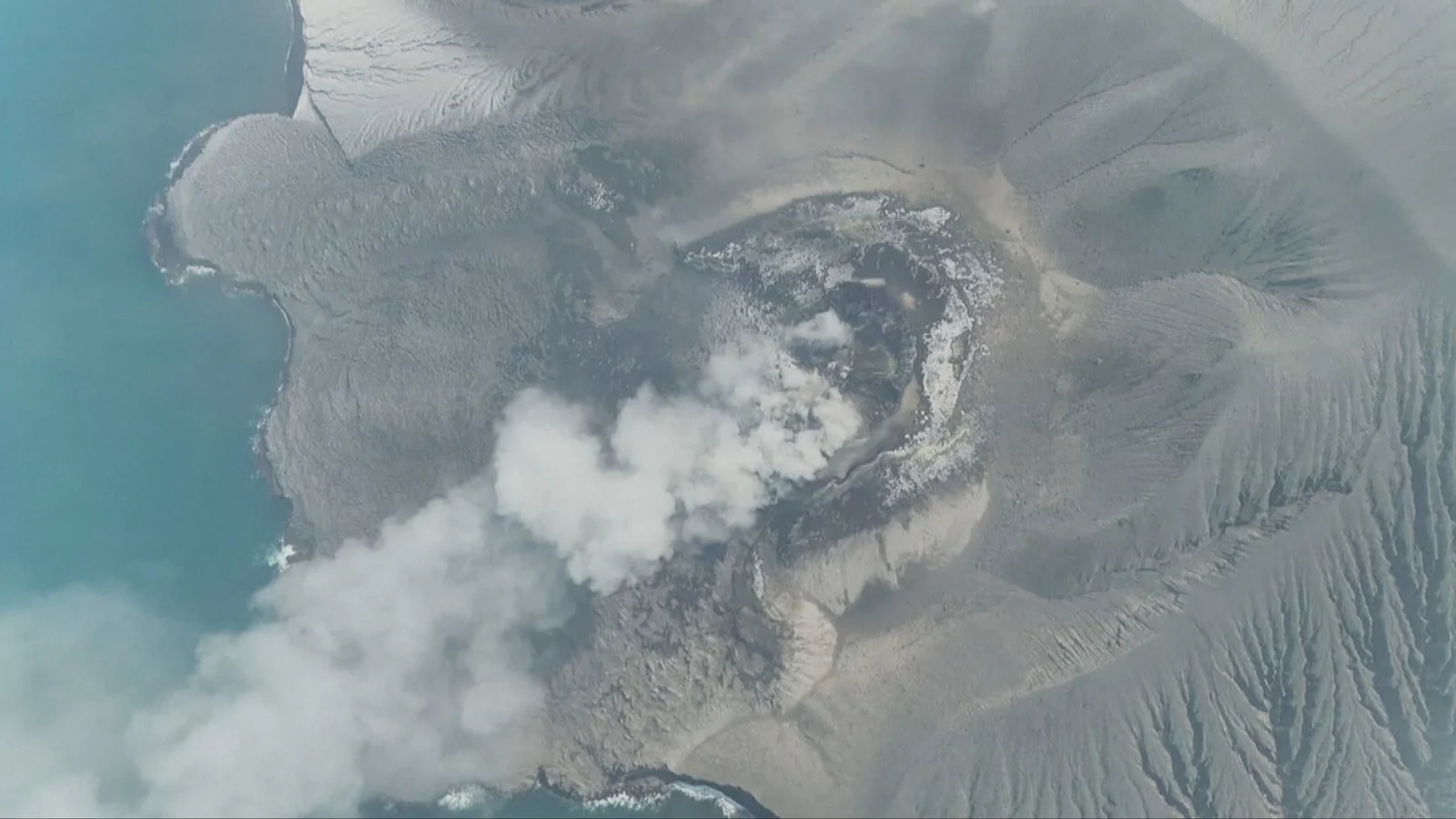
Mount Anak Krakatau, about 150 kilometres from Indonesia’s capital, erupted on Saturday, spewing a fountain of lava and a plume of volcanic ash.
Eight airports halted operations over the weekend after ash was detected in their airspace, grounding or rerouting thousands of flights and leaving more than 270,000 passengers stranded, according to the transport ministry.
“These figures are the cumulative operational impact since 5 September 2026 and cover flights that have been canceled, delayed, or diverted,” the ministry said in a statement.
Among those caught in the disruption was Italian tourist Michel Miegge, who was travelling with his girlfriend and had planned to fly home in time for work tomorrow, only to see their flight cancelled.
“We don’t have any news from the airline. We don’t know if we stay another day in Jakarta or find another flight,” the 32-year-old software engineer said.
“I don’t think it’s possible now. We found a nearby hotel, but we saw that many hotels were fully booked. Fortunately, we booked a hotel last night, but it’s a difficult situation.”
Angkasa Pura, the airport operator, said at least four airports — including Jakarta’s Soekarno-Hatta International Airport — pushed back their reopening, extending closures from this morning until 6pm local time (midday Irish time) in a social media post.
Halim Perdanakusuma, a smaller airport serving both civil and military flights, was also set to remain closed.
In south Sumatra, one small airport restarted operations earlier, resuming flights by 9am this morning, the transport ministry said.
Threat remains high
At Jakarta’s Soekarno-Hatta International Airport, disruption continued to mount: more than 240 domestic and international flights were cancelled or delayed due to volcanic ash this morning alone, the airport said, affecting nearly 30,000 passengers.
“We understand that this situation affects passengers’ travel plans. Therefore, from the start of the temporary closure, we have focused on ensuring that passengers’ needs continue to be met,” airport spokesman, Yudhistiawan, who like many Indonesians only has one name, said in a statement.
Indonesia’s geology agency cautioned that conditions could deteriorate again, warning that “the probability of further eruptions in the coming periods remains high”.
Passengers queue for ticket refunds after their flights were cancelled at Soekarno-Hatta Airport in Tangerang, Indonesia
“The threat from an eruption comes from the ejection of incandescent rocks accompanied by heavy ashfall. Another potential hazard arises from lava flows if the eruption resumes and continues,” agency head Lana Saria said.
Anak Krakatau, which means Child of Krakatau, sits in a strait that separates the islands of Java and Sumatra.
The volcano has erupted intermittently since rising from the sea at the beginning of last century, forming within the caldera created by the catastrophic 1883 eruption of Mount Krakatau.
In 2018, a tsunami triggered by the collapse of parts of Anak Krakatau killed 429 people and forced thousands from their homes.