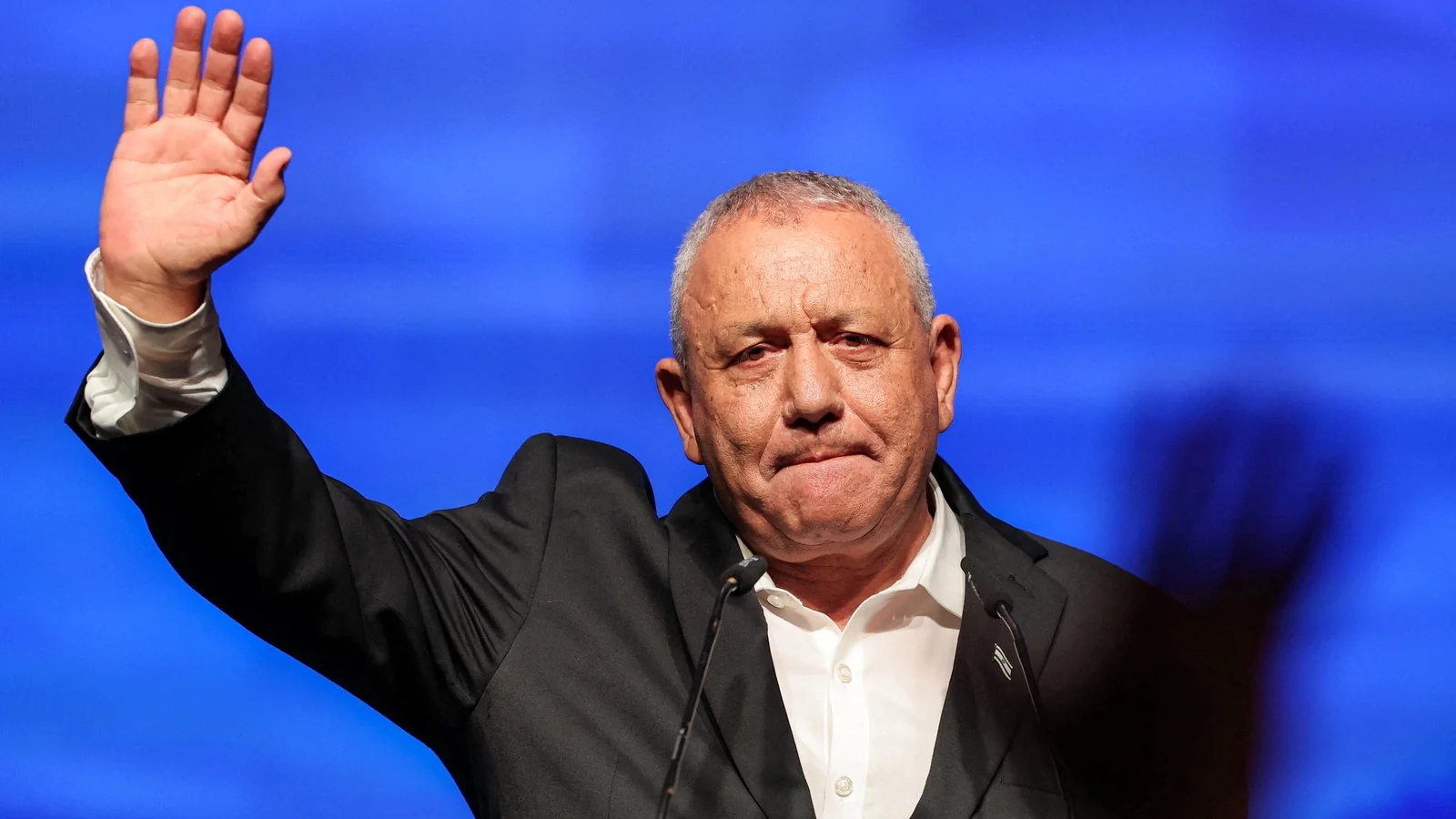
Israel’s post-election power struggle sharpened on Sunday as President Isaac Herzog said he will ask Gadi Eisenkot to try to form the next government — a move Benjamin Netanyahu’s opponents are casting as the opening salvo in their bid to unseat the country’s longest-serving prime minister.
Mr Eisenkot, a former military chief making his first major foray into politics, leads an opposition bloc that has pitched itself to secular and liberal voters. Now, that bloc has also left room for what once seemed far-fetched: cooperation with ultra-Orthodox parties, a combination that could supply the parliamentary arithmetic needed to assemble a coalition.
Mr Herzog said that, after a week of consultations with all factions, he will give Mr Eisenkot the first chance to build a government following the 27 October election. The vote produced no clear majority in a nation deeply polarised by Mr Netanyahu’s hard-right rule and fatigued after three years of war.
According to the president’s office, the formal mandate will be handed to Mr Eisenkot during an official ceremony tomorrow at the president’s residence in Jerusalem.
Parties representing 67 politicians recommended Mr Eisenkot, compared with 46 who backed Mr Netanyahu’s bloc.
Still, Mr Eisenkot’s tally included endorsements from representatives of Israel’s Arab minority, whose seat haul jumped in the election amid anger directed at Mr Netanyahu. That support complicates coalition-building, with right-leaning elements inside the opposition resisting any arrangement that depends on Arab votes.
Netanyahu pushes unity government
Mr Herzog — a former figure in Israel’s now defunct left-wing Labour Party who serves in a non-partisan presidency and has maintained a working relationship with Mr Netanyahu — has indicated he wants to probe the possibility of a national unity government, one that would try to bridge Jewish Israelis across the political divide.
Calls for unity could intensify if Mr Netanyahu acts on threats to resume war on Iran, though US President Donald Trump has not authorised such a step and was dealt his own blow in Tuesday’s midterm elections.
Mr Netanyahu, who has been at Israel’s helm on and off for nearly two decades and has steered its pronounced shift to the right in recent years, is facing corruption charges and could be jailed if he leaves office.
He is also the subject of an arrest warrant linked to the Gaza war from the International Criminal Court, an institution whose authority he rejects.
Although Mr Netanyahu has already urged the formation of a unity government, opposition parties have remained adamant that any such deal must begin with his removal.