A sudden collision on a familiar road: When the headlines became a personal grief
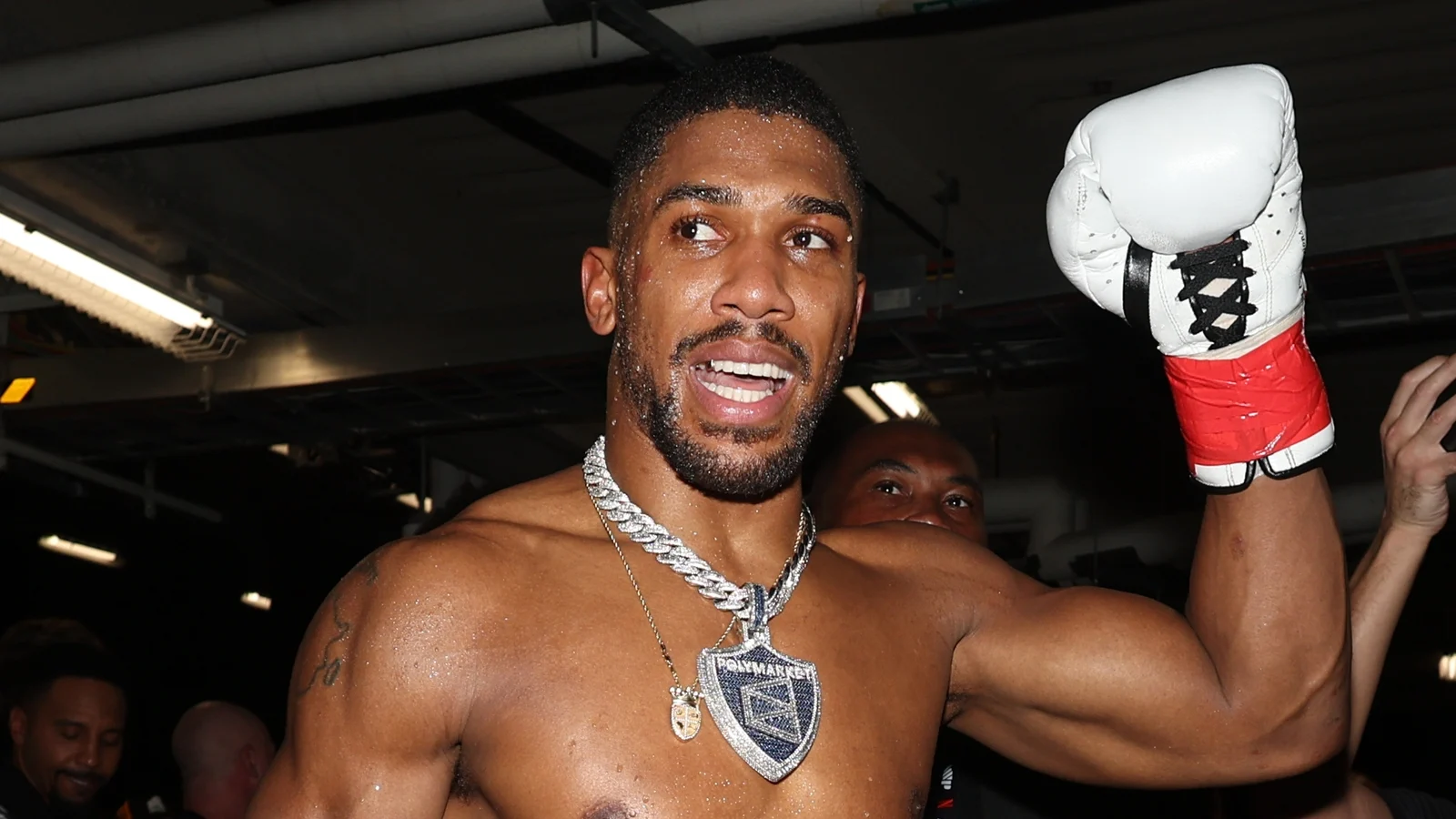
It was the kind of story that stops the scroll and presses a nation’s chest: Anthony Joshua, the towering figure of British-Nigerian boxing, injured but alive after a horror crash on the Lagos–Ibadan highway; two friends were not so lucky. The images that followed—twisted metal, flashing police lights, the hush of a funeral home—felt both shockingly immediate and heartbreakingly intimate.
For many Nigerians, December is a time of return. Children come home from universities, expatriates fly in for family reunions and funerals; markets swell, traffic thickens, and the arteries between cities become rivers of headlights. Joshua’s family originates in the southwest and his visits are well known. That’s why the news landed with that peculiar mixture of public celebrity and private sorrow.
What happened on the highway
Officials say the blackout of a single tyre and excessive speed conspired to turn an ordinary drive into a catastrophe.
The SUV carrying Joshua and his companions crashed into a stationary truck along the busy Lagos–Ibadan route in Ogun state. Authorities report the two friends—identified by local officials—and fellow travelers died at the scene. Joshua was taken to Lagoon Hospital in Lagos; after treatment, he was discharged to recover at home, said spokespeople for Lagos and Ogun states in a joint statement.
“He was released late this afternoon. Though he is shaken and grieving, doctors said he is fit to recuperate at home,” one of the spokesmen reportedly said. Outside the sterile language of statements, people gathered to make sense of the small, sharp grief of a life that diverged into two paths so quickly—one headed toward mourning, and the other toward recovery.
Eyewitnesses and the wreckage
Police photographs of the scene showed a black SUV mangled and half-buried in the roadside debris. Local commuters described the usual swirl of December traffic—okadas (motorcycle taxis) weaving between lanes, danfo buses honking, and long-haul trucks parked or stalled as they waited for loading or repairs.
“I saw the car skid, then a big bang,” said Chinedu, a trader who witnessed the aftermath. “The front was smashed like it was folded. People were shouting. We tried to help, but it was bad.”
Names, grief and ritual: what comes after a crash
After his release, Joshua and his mother went to a funeral home where the bodies of the two friends were being prepared for repatriation, a ritual both practical and sacred in many Nigerian families. Death here is immediate and ceremonial—a flurry of phone calls, elders summoned, and the careful work of returning a body home for the last rites.
“We will do everything to make sure they return to their families in dignity,” a local community elder said. “This is how we honour the living and the dead.”
For Joshua, the scene is doubly complicated: public condolences and private mourning now overlap. He is both a global athlete and a son mourning in a very local way.
Behind the crash: a question about road safety
Tragedies like this do not occur in isolation. Nigeria’s roads—especially major corridors such as the Lagos–Ibadan expressway—are notorious. Congestion, poorly maintained vehicles, erratic enforcement and unpredictable weather combine to make daily travel perilous for millions.
Globally, road injuries are a leading cause of death for young adults; in Nigeria, tens of thousands die each year on the roads. Experts point to a mix of factors: insufficient infrastructure maintenance, vehicles that often run beyond recommended service intervals, and a culture where speeding is punished inconsistently.
“We have built our economy on moving people and goods, but have underinvested in safe movement,” said Dr. Amina Yusuf, a transportation safety specialist based in Lagos. “Fixing the highway is not enough; you need better vehicle inspection, driver education and consistent enforcement.”
Preliminary findings from the Traffic Compliance and Enforcement Agency (TRACE) in Ogun state suggested the SUV was traveling at excessive speed and suffered a tyre blowout prior to the collision. Those two factors—speed and mechanical failure—are a deadly combination on any highway.
Beyond the ring: human loss meets headlines
It is tempting to read this story through the prism of athletics: Joshua’s last outing, a high-profile knockout win over Jake Paul in Miami in December, his loss to Daniel Dubois in September—these are the markers a sports page will want. Talks with fellow fighters and promoters docked this incident onto the calendar of future bouts and negotiations; Joshua’s name has been linked with a potential fight against fellow Briton Tyson Fury.
But for anyone who knows what it is to lose a friend suddenly, the boxer’s status as a global brand matters less than the guttural sound of grief. “I did not come here to comment on his fights,” said Mrs. Adekunle, a neighbour of Joshua’s family. “I came because human life is delicate. We worry as neighbours.”
What does this moment ask of us?
When famous lives intersect with everyday dangers, the question is not only who is to blame but what we will do next. Will there be renewed pressure for safer highways? More rigorous vehicle inspections? A cultural shift in how speed and roadworthiness are treated?
If you live in a city where December translates to compressed schedules and frayed patience—have you thought about how much you take for granted when you climb into a car? If you are a policymaker, how do you balance the urgent fixes (potholes, signage) with the latter measures (education, enforcement) that actually change behaviour?
Looking forward, with memory
There will be an investigation. There will be the small bureaucratic rituals of repatriation, police reports and insurance claims. There will also be the long, private work of mourning—stories retold by friends, laughter remembered alongside the silence.
“He was a good man,” someone said without naming names, voice low. “We talk about champions, but today we remember just a friend.”
That is the raw center of the story: that a life stitched into the fabric of family and community can, in the space of a single tire blowout, become a memory. The public will track Joshua’s recovery and the ripples across his sporting calendar. But beyond the headlines, this crash is an invitation to ask how we protect one another on roads we all share—and how we honour those lost when the ordinary goes terribly wrong.
For now, Lagos hums on. The highways will fold into their usual patterns: long lines of vehicles, the barter of speed and patience, the small acts of kindness from bystanders. And somewhere a funeral is being planned, two more names set among the long lists of lives cut short on roads that serve us all.