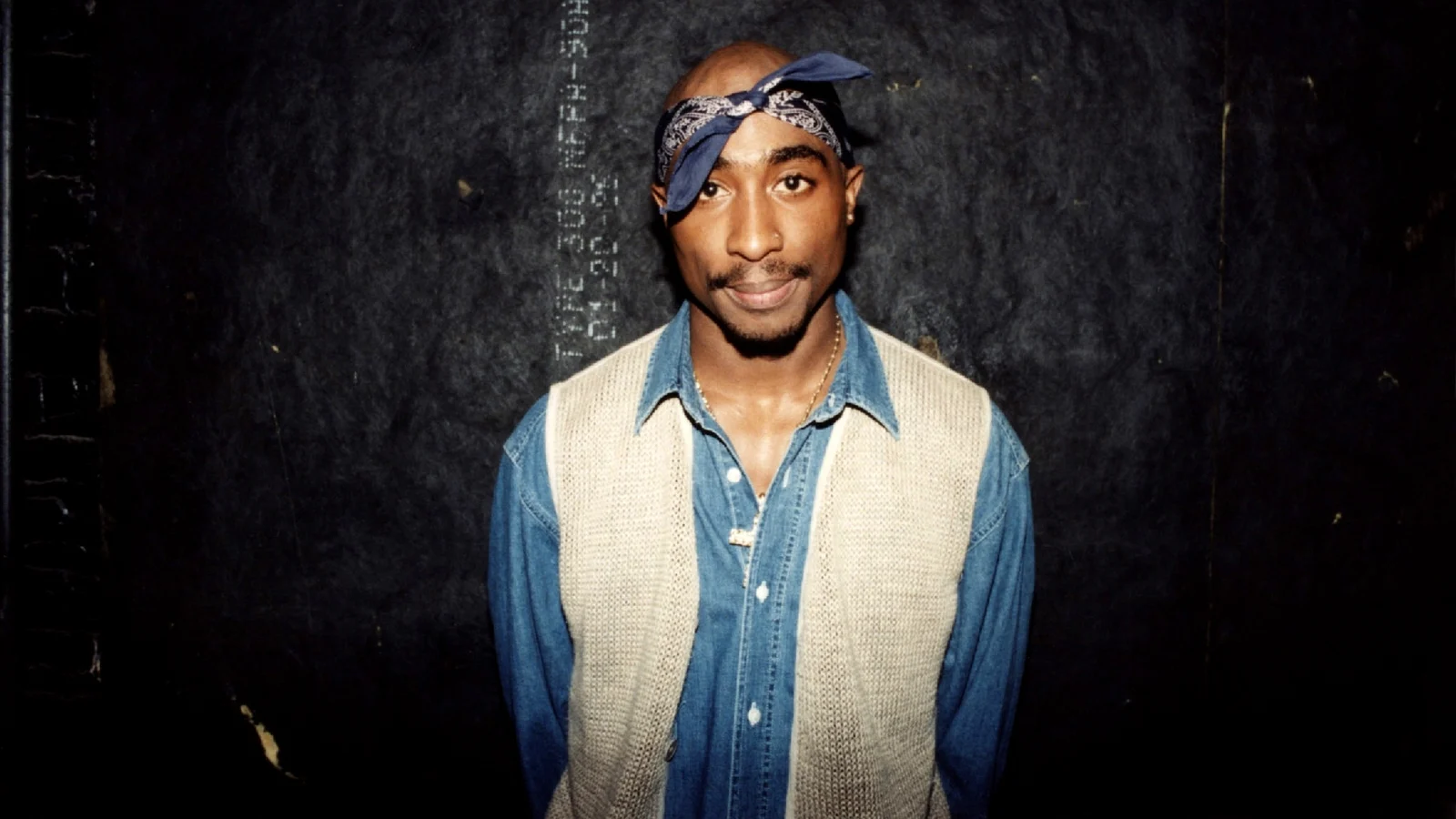
Tupac Shakur’s 1996 killing returned to the spotlight in a Las Vegas courtroom as prosecutors told jurors the rap icon was slain in a gang-style revenge attack ordered by Duane “Keffe D” Davis — a man they said later spoke publicly about his role, helping to revive a case that had languished for decades.
Davis, a former leader of the South Side Compton Crips in Los Angeles, ordered the shooting after his nephew was beaten by a rival group, prosecutor Binu Pilal said as opening statements began in one of the country’s most closely watched trials, nearly 30 years after the murder.
“On 7 September 1996, Tupac Shakur publicly, on camera, participated in a humiliating beating of Duane Davis’s nephew, Orlando Anderson,” he said.
“Then, two and a half hours later, Tupac is gunned down in a drive-by shooting from a white Cadillac in an act of revenge,” he added.
Davis, 63, is facing one count of murder using a deadly weapon in Nevada’s Clark County.
He has pleaded not guilty.
Prosecutors allege Davis led a small group in the drive-by attack that killed Shakur, 25, one of the best-selling and most influential artists in rap, after the group tracked down the car carrying Shakur and Marion “Suge” Knight near the Las Vegas Strip.
Chief Deputy District Attorney Binu Pilal during opening statements of the trial
“You will learn that when the opportunity presented itself for retribution, Duane Davis made sure that the shooters were armed and ready to execute their plan,” prosecutor Binu Palal told the jurors in a downtown Las Vegas courthouse.
“And remarkably, you will learn that from Duane Davis himself,” Mr Palal added, pointing to a series of recent public comments by Davis that authorities say helped bring the long-dormant case back to life.
Defence lawyer Michael Sandt urged jurors to focus on the evidence — or what he said was the lack of it after three decades.
“At the end of the day you have to ask yourself, is what they are saying the truth or fiction?” Mr Sandt told the jury.
Shakur’s death, one of hip-hop’s most searing tragedies, reinforced public perceptions of violence tied to the genre and its lyrics during the height of ‘gangsta’ rap, intensifying the era’s East Coast-West Coast rivalry.
After Davis was arrested in 2023, police said he had been a suspect for years but investigators did not have enough admissible evidence to charge him until he began incriminating himself through public statements.
The trial, before Judge Carli Kierny, is expected to run as long as six weeks. Jurors were seated last week.
Testimony could include Knight, the Death Row Records co-founder who was with Shakur when the rapper was shot and is now serving a 28-year prison term for an unrelated voluntary manslaughter conviction.
The ‘shot caller’
Authorities have portrayed Davis as the “shot caller” who directed a rapid retaliation plan after the beating of his nephew, which prosecutors say occurred inside the MGM Grand casino in Las Vegas on the night of 7 September 1996, involving Shakur and members of his entourage.
Duane ‘Keffe D’ Davis has pleaded not guilty
Police say the casino fight grew out of tensions between two Los Angeles-area gangs: the South Side Compton Crips and Mob Piru, which investigators said was tied to Knight and Death Row Records.
Both camps were in Las Vegas for the world heavyweight title boxing match between Mike Tyson and Bruce Seldon.
Prosecutors allege Davis obtained the gun used in the shooting and passed it to two other men sitting in the back seat of a white Cadillac as they drove around searching for Knight and Shakur’s vehicle after the brawl.
According to authorities, shots were fired once the Cadillac pulled alongside the car carrying Knight and Shakur.
Shakur was hit four times and died in hospital six days later.
Knight, who was driving, suffered a minor injury when a bullet fragment grazed his head.
Cold case heats up
For years, the investigation stalled. Police say it was reignited after Davis made media statements in 2018 discussing his involvement in the events surrounding the shooting.
Investigators say Davis also described his role in interviews and in his 2019 memoir, ‘Compton Street Legend,’ including that he sat in the Cadillac’s front passenger seat and handed the weapon to one of the two men behind him.
Neither Davis, in his account, nor authorities have identified who fired the gun at Shakur.
The other three men who were in the Cadillac with Davis have since died.
Under Nevada law, prosecutors can pursue a murder charge even if Davis did not pull the trigger, if they prove he participated in the crime.
In his book, Davis wrote that he was long viewed as a suspect in the killings of Shakur and of Christopher Wallace — the New York-based Bad Boy Entertainment artist known as ‘The Notorious B.I.G.’ — who was shot and killed in Los Angeles in March 1997.
Wallace’s murder remains unsolved, though investigators have long speculated he was killed in retaliation for Shakur’s death months earlier.