When a Headline Becomes the Headline: The Night Wireless Went Silent
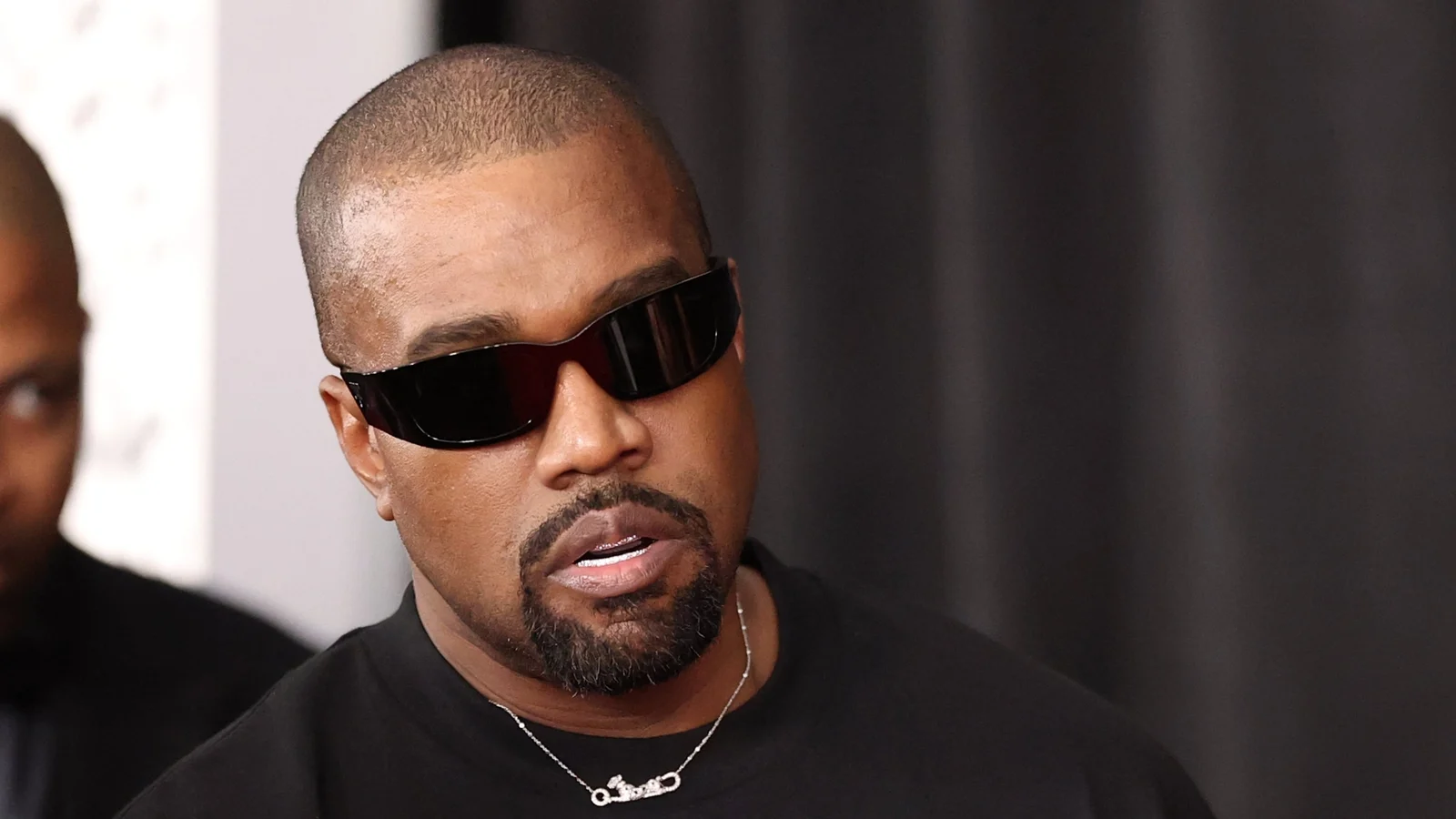
On a wet London morning, the empty stage at Finsbury Park felt louder than any roar could. Bunting still fluttered where thousands had been expected to gather; lamppost flyers fluttered like small, abandoned flags. What should have been the crescendo of summer—the headlining performance by Ye, the artist formerly known as Kanye West—ended instead in a bureaucratic bluntness that left tens of thousands of music fans, locals and businesses blinking into an uncomfortable silence.
The moment was blunt and public: the UK Home Office refused Ye entry to Britain after he applied for an Electronic Travel Authorisation. In official language, his presence was judged “not conducive to the public good.” In human language, it meant the cancellation of Wireless Festival’s headline nights and a ripple of disappointment, anger and debate across the city and around the world.
A festival cancelled, a refund promised
“We did everything we could to bring the show to life,” said a festival organiser, voice low with the kind of fatigue only crisis management can produce. “But the Home Office withdrew the ETA. That left us with no safe way to proceed. Refunds will be issued to every ticket-holder.” Whether the money would heal the bruised anticipation was another matter.
Wireless, like many of the UK’s summer festivals, had been primed to draw crowds in the tens of thousands across multiple nights. Pre-sale tickets flew out of the online shop within hours, a high-water mark of appetite and expectation: fans bought into the promise of new music, shared moments, and the communal joy of live performance.
For some, that promise felt breached. “I’d booked time off work, I’d planned the travel,” said Aisha Khan, 24, a student from East London. “It’s more than a ticket—it’s the plan you build your week around. Now it’s gone. But when I think about the reasons, I don’t feel like celebrating anyway.”
What pulled the plug?
The decision was not made in a vacuum. Sponsors—big, visible brands sensitive to public image—had already backed away. Pepsi and Diageo, both named sponsors, withdrew their support shortly after Ye was announced as the headliner. Brands, in the current climate, move quickly when association risks reputational damage.
That commercial retreat fed a larger conversation about accountability. Ye’s recent conduct—his use of antisemitic language, controversial merchandise and a released track that many saw as incitement—had made his presence at a major UK event politically combustible. Pressure mounted from community groups, public figures and ordinary citizens who felt the invitation to headline was a step too far.
“Inviting an artist is never just about the music,” observed Dr. Samuel Reed, a sociologist who studies popular culture and public discourse. “It’s a decision that signals values. When an artist has used platforms to spread hate, institutions must weigh whether they are complicit in amplifying that voice.”
Voices from the ground
Local shops and street traders, many who rely on festival footfall for a chunk of their summer income, were left to make sense of the fallout.
“This weekend can make our whole month,” said Tariq Hassan, who runs a burger stall a few blocks from the park. “We were prepping supplies—extra staff, all of it—and now I’ll have to return frozen trays and lay people off. People say it’s about moral lines, but for us it’s meat on the table.”
Across town, members of the UK’s Jewish community welcomed the Home Office’s intervention. “This was about safety and dignity,” said Rabbi Leah Stein, a community leader in North London. “Words have consequences. When a public figure normalises hate, it isn’t abstract—it affects people’s lives. We needed to see that those consequences were real.”
Of law, politics and public safety
The Home Office’s reasoning—that admitting someone would be “not conducive to the public good”—is a phrase tucked into immigration law as a catch-all for threats to public order. It’s been used before, sparking debates over due process and free expression. Here, the decision intersected with politics: Prime Minister Keir Starmer publicly supported the move, framing it as part of a broader stance against antisemitism.
“This Government stands firmly with the Jewish community,” the Prime Minister’s office stated, signalling that safeguarding communities weighed more heavily than safeguarding the right of any one artist to perform.
That stance split opinion. “I’m not defending hateful speech,” said Marcus Price, a free-speech advocate. “But we must be careful: bans can have the paradoxical effect of turning people into martyrs, amplifying them in the eyes of certain followers. Law and social action must be precise.” Debate like this is messy and ongoing—one of those public conversations that never quite lands neatly on one side or the other.
What this moment tells us about a changing cultural landscape
There are broader currents here: the modern relationship between celebrity, commerce and consequence; the role of corporations in policing public morality; and the place where free speech collides with communal safety. The Wireless cancellation is, in microcosm, a test case for each.
Consider the speed: within days, the artist’s appointment as headliner was announced, sponsors withdrew, tickets sold out, and the Home Office declined entry. The pace demonstrates how quickly reputations can be altered and plans curtailed in a connected world. It also shows the outsized power of brands and states to shape cultural life.
And yet, for many attendees, the decision was less theoretical and more personal. “Music is about belonging,” said Chloe Martínez, 31, who runs a local arts collective. “When you take that away, you’re not just altering a schedule—you’re shifting people’s sense of community. But sometimes exclusion is necessary to prevent harm. That tension is the story of our times.”
A moment of reflection
What should readers take away? That public culture is no longer a neutral zone where artists can perform regardless of speech or symbolism. That companies and governments will step in when public pressure, moral argument or potential harm converge. And that ordinary people—traders, students, elders—feel the ripples of these decisions in ways that statistics can’t fully capture.
- Wireless Festival announced cancellations after the UK Home Office blocked Ye’s ETA.
- Sponsors including Pepsi and Diageo had withdrawn support prior to the cancellation.
- Refunds were promised to all ticket-holders; vendors and local businesses face economic fallout.
As you read this, think about your own relationship to art and accountability. When does a performer’s personal conduct outweigh the cultural value of their work? Who gets to decide where that line is drawn? And how do we balance the economic consequences felt by everyday people against the moral imperative to prevent the spread of hate?
These are urgent questions, and the Wireless cancellation doesn’t answer them. It only forces them into the open. The stage will be rebuilt, the flyers will be reprinted, and another summer will arrive. But the silence left by a cancelled headline is a reminder that the music industry—like the rest of society—is negotiating new terms of what it will accept, and what it will no longer tolerate.
In the cracks of that silence, voices keep speaking: from rabbis and stallholders, from fans and civil servants. Maybe the most important work now is listening—and not just to the loudest voices, but to the quiet ones that feel the consequences most directly.