Midnight Ceasefire, Morning Unease: Lebanon at a Fragile Pause
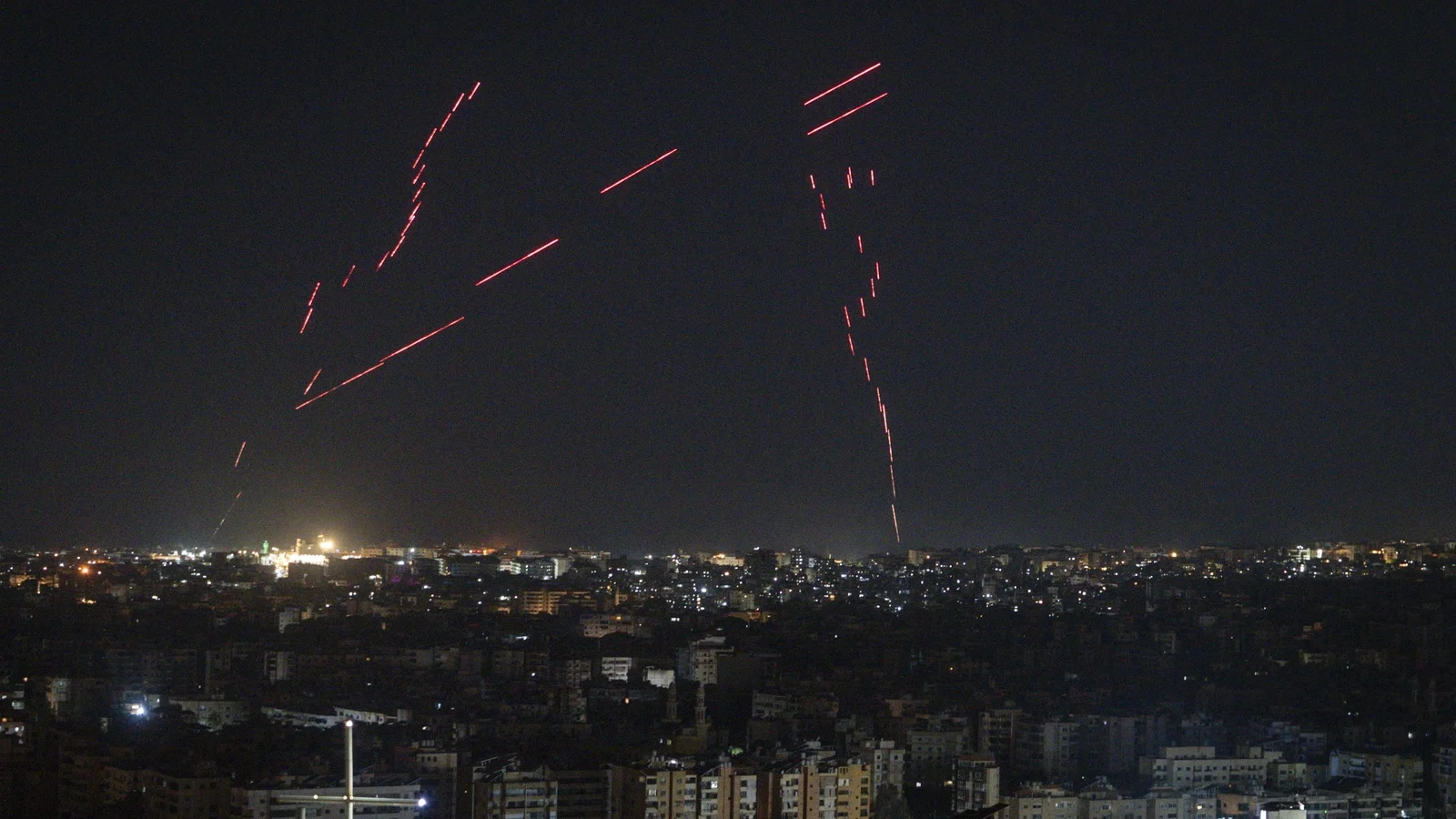
When the clock in Beirut chimed midnight, the city exhaled a curious mix of relief and disbelief. In some neighborhoods, people poured into the streets, firing celebratory rounds into the night — a ritual that is part grief, part joy. For others, the sound was another reminder that peace can feel alarmingly thin.
“We lit a candle and then the fireworks began,” said Mariam Haddad, 47, who lives in the Verdun district. “For a moment I thought we might sleep. But the children are afraid. When a shot cracks in the air, you do not forget what it can mean.”
The 10-day truce between Lebanon and Israel, set to begin at midnight, has been billed as a breathing space — a corridor for diplomacy, an opening for negotiations that Washington hopes will widen into something much larger: a negotiated thaw with Iran. Yet within hours of the ceasefire taking effect, the Lebanese army reported violations, alleging intermittent shelling of southern villages and urging residents to stay away from front-line towns.
On the Ground: A Cautious Return — or Not
In the towns south of the Litani River, families have been living under a revolving door of orders and warnings. “We were told not to come back,” said Samir Khalil, an olive-farmer from the border region who has been sleeping in his cousin’s courtyard in Sidon. “My trees are still there, most likely. But what is the point of returning to a house that might not be there tomorrow?”
Lebanon’s official news agency and the army both reported that shooting and artillery fire continued in some areas after midnight — machine-gun bursts, the dull thump of distant shells. The Israeli military, for its part, warned civilians not to move south of the Litani, saying its forces were still deployed and prepared to respond to what it described as residual militant activity.
“We will not allow armed groups to reestablish positions that threaten our civilian population,” a military spokesperson wrote on social media. “This pause does not mean complacency.”
Diplomacy on Fast Forward: Washington, Tehran, Islamabad
Even as Beirut grappled with uncertainty, the White House signaled cautious optimism. President Donald Trump told reporters that talks with Iran were “very close” to a deal, describing Tehran’s offer as a pledge to refrain from developing nuclear weapons for at least two decades. The sound of diplomacy — meetings, shuttle envoys, a Pakistani mediator flying between capitals — seemed to move almost as rapidly as the headlines.
“If we reach an agreement, it changes everything,” a senior U.S. official involved in the negotiations said on condition of anonymity. “We can reopen shipping lanes, calm markets, and remove a major trigger for regional escalation.”
That trigger is the Strait of Hormuz, through which roughly one-fifth of the world’s seaborne oil passes. Closure of that choke point in recent weeks contributed to a historic shock in energy markets and forced multilateral institutions, including the International Monetary Fund, to warn that a prolonged conflict could drag the global economy into a downturn.
What’s Being Bargained For
At the heart of the discussions are age-old, stubborn dilemmas: how long any nuclear restrictions should last, what to do with Iran’s stockpiles of highly enriched uranium, and how — and when — sanctions might be lifted. Reported proposals have ranged widely; negotiators in Islamabad reportedly floated the idea of a suspension of certain nuclear activities for two decades, while Tehran initially suggested a far shorter timeframe, in the order of three to five years.
“Sanctions are not abstract numbers to us; they are people,” said Dr. Leila Mansour, a nuclear policy analyst based in Beirut. “They decide whether a patient gets medicine, whether a university can import equipment. Any diplomatic outcome needs to weigh human consequences as much as technical timelines.”
Hezbollah and the Local Reality
Hezbollah, which opened fire in support of Tehran a week into the conflict, presented its own timeline: the group says its last offensive action occurred minutes before the ceasefire, and supporters poured into the capital to celebrate what they portrayed as a tactical pause. But the group’s military statement and the army’s warnings painted overlapping but uneasy pictures of who controls which tracts of land.
“We fought to defend our people,” said a Hezbollah activist in a quiet cafe in southern Beirut, speaking under condition of anonymity. “This is not a game of headlines. The ceasefire is a chance to breathe, not to surrender.”
For ordinary Lebanese, however, the calculus is simpler and starker: food, shelter, and safety. Humanitarian organizations estimate that recent clashes displaced tens of thousands within Lebanon, and healthcare providers have struggled to cope with casualties while hospitals function under strain. Precise casualty figures remain contested; multiple sources describe “thousands” killed since the conflict with Iran escalated in late February.
The Stakes: Oil, Economy, and the Question of Guarantees
Beyond the immediate human cost, these negotiations touch nerves global and local alike. Oil markets, which have reacted dramatically to the prospect of a closed Hormuz, could stabilize if shipping lanes reopen — an outcome U.S. officials say would push prices down and ease inflationary pressure worldwide.
“A reopening of Hormuz would be a relief valve for the global economy,” said Amrita Sen, an energy economist. “But it depends on guarantees: permanent ceasefires, verifiable steps on nuclear material, and confidence that attacks won’t resume.”
Iran, according to unnamed sources, wants stronger assurances — possibly United Nations-backed guarantees — that any ceasefire will be permanent and that the U.S. and Israel will not resume strikes. Pakistani Army Chief Asim Munir, described as a key mediator, reportedly ferried draft proposals between capitals, with officials hoping for a second round of talks this weekend.
What Could Go Wrong — and Right
- Right: A signed deal could defuse immediate military threats, bring down energy prices, and open humanitarian corridors.
- Wrong: A fragile ceasefire could collapse if either side perceives duplicity, sparking renewed exchange that could rapidly widen the war.
There is precedent for both outcomes in the region’s recent memory. Transient truces can be followed by long lulls; or they can be mere pauses before heavier storms. The difference often comes down to trust — something in short supply.
Looking Inward: Lives in Suspension
Back in Lebanon, life limps forward in errands and small acts of defiance. A shopkeeper in Tyre swept his storefront in the morning light; a mother in Nabatieh boiled water for coffee and refused to say whether she would return to their village. “We have learned to wait,” she said. “We survive by waiting.”
As diplomats count the hours, as envoys shuttle between Islamabad, Tehran, Jerusalem, and Washington, ordinary people ask a simpler question: will this pause let us rebuild, or only postpone the next blow? Will young people believe in politics again, or only in the barrel of a gun?
What would you do if your village was a heartbeat away from a line on a map? Would you return at the first sound of silence, or wait for the ironclad guarantees that diplomats promise?
Those are the decisions that will determine whether this ceasefire becomes a turning point — or a haunting memory of another night when the city listened for the wrong sound and, for a while, found only the wrong kind of quiet.