
Lindsay Clancy set for retrial in case involving her children’s deaths
 Caalamka
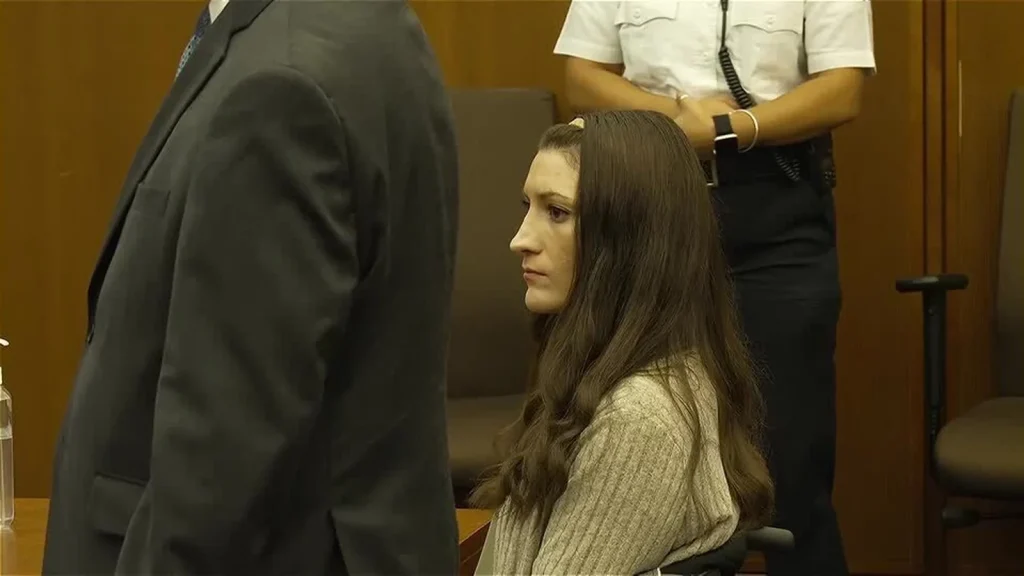
The case of Linsday Clancy — which has drawn national attention and fueled renewed debate over postpartum mental illness — is headed back to court after a Massachusetts judge ordered a second trial following a deadlocked jury in her first proceeding.
Judge William Sullivan in Plymouth, Massachusetts, scheduled the retrial for 29 March, months after he declared a mistrial on 4 September when a single holdout juror prevented the 12-member panel from reaching a unanimous verdict.
During the initial trial, Ms Clancy’s attorney maintained that she was experiencing postpartum psychosis at the time of the killings, an argument central to the defense as jurors weighed whether she should be held criminally responsible.
After the mistrial, both sides filed motions, and last week Judge Sullivan largely ruled in the prosecution’s favor. He rejected, among other requests, Ms Clancy’s bid to have the case thrown out on the grounds that a second trial would violate her constitutional rights.
Ms Clancy, 36, is charged with first-degree murder in the deaths of her three children: daughter Cora, 5; son Dawson, 3; and 8-month-old son Callan.
A conviction on those counts would carry a sentence of life in prison without the possibility of parole.
At trial, neither prosecutors nor the defense contested the core allegation that on 24 January 2023, Ms Clancy strangled the children with exercise bands in the basement of the family’s home in Duxbury, a Boston suburb.
Prosecutors said she then turned the violence on herself, cutting herself with a knife before jumping from a second-story window in what was described as an attempt to end her life — injuries that left her paralysed.
Defense lawyers have insisted the evidence points to a severe postpartum mental break, arguing she should be found not guilty by reason of insanity — a standard referred to in Massachusetts as lack of criminal responsibility.
In televised interviews following the mistrial, some jurors said they had been prepared to return a not-guilty-by-reason-of-insanity verdict, but that a lone juror refused to go along.
Had that verdict been reached, Ms Clancy would have been committed to a state psychiatric hospital, with her status subject to regular court review.