Between the Tide and the Table: A Fragile Pause in a Region That Knows No Quiet
There is a peculiar hush that settles over port cities after the world’s commerce is reminded how thin the thread of global supply really is. In the early hours after the announcement that the Strait of Hormuz would be reopened and a ceasefire in southern Lebanon would hold—for now—fishermen in Bandar Abbas spoke in the same low voice as shopkeepers in Tyre: relief edged with suspicion.
“You breathe easier for a day, then the radio reminds you how quickly the sea can turn hostile again,” said Reza, a fifty-year-old fisherman who has watched supertankers cut through the hormones of the Gulf for three decades. “If the mines are cleared, good. But will the crew sleep tonight?”
This week’s diplomatic choreography—quiet, relentless, and at times oddly domestic—has been a study in confidence-building. After months of tit-for-tat strikes, accusations, and a collapse in talks that had once been fragile but workable, Washington and Tehran appear to be inching toward a more durable truce. Pakistan, long used to sitting at tables without fanfare, has played the unshowy host and intermediary. Across the region, those familiar with the rhythms of diplomacy say this is the exact moment when words matter as much as weapons.
Checklist Diplomacy: The Small Wins That Feel Monumental
It helps to think of what negotiators are actually doing as ticking boxes on a very messy to-do list. Over the past 48 hours that list grew shorter.
- Ceasefire in Lebanon: Check (for now)
- Reopening of the Strait of Hormuz to commercial traffic: Check
- Early confidence-building measures between the United States and Iran: Check
None of this is irreversible. Nothing about peace in this part of the world ever truly is. Yet each “check” carries downstream consequences that matter: tankers that had loitered far from the Gulf are being asked to re-route; oil traders recalibrated their bets and Brent fell roughly 10% in the immediate aftermath; and diplomats who had been pacing in Islamabad were suddenly back at the table with a sense that momentum can be manufactured if the players want it.
“These are the baby steps of de-escalation,” said Amina Khalid, a Karachi-based analyst who helped coordinate back channels for track-two diplomacy. “You don’t solve decades of distrust overnight. But you can change immediate incentives—reduce the risk of an accidental flare-up, make the cost of returning to violence higher.”
What the Strait Reopening Really Means
The Strait of Hormuz is not just a narrow piece of water between Iran and Oman. It is an artery: historically, nearly one-fifth to one-third of the world’s seaborne oil has passed through its choke point. So headlines about it reopening carry the double meaning of local safety and global economics.
Oil markets responded predictably. A roughly 10% drop in prices is not trivial; it erases a market premium that had been built on fears of prolonged disruption. But price moves do not instantly translate into barrels on the water. Insurance premiums, crew willingness to transit, and the time needed to verify that previously laid mines have been neutralized—all of these slow the return of full flows.
“Even if the strait is declared open, carriers will demand concrete proof of safety. That’s not a rhetorical checkmark,” said James Hollis, an energy risk consultant in London. “We could still see a lag of weeks or months before supply normalizes.”
On the Ground: Lebanon’s Fragile Pause
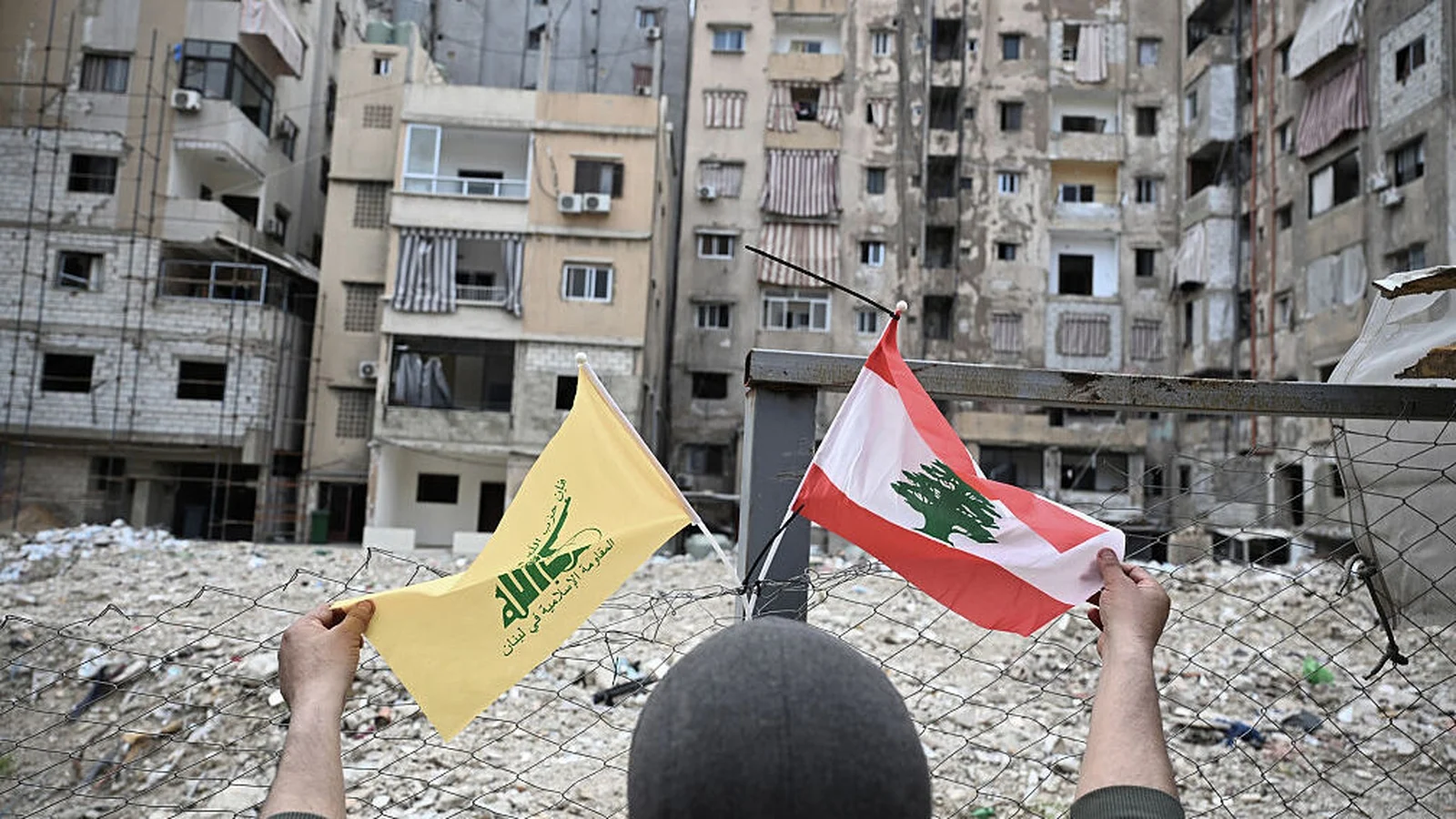
In southern Lebanon, where the landscape is a patchwork of olive groves, scarred towns, and checkpoints, the ceasefire is holding in the sense that artillery quieted and the immediate rush of displacement has slowed. But the conditions that produced the violence remain.
“We welcome the calm, but calm without justice is a temporary gift,” said Nour Hassan, a schoolteacher from a village near the Israeli border. “Hezbollah says Israeli forces must leave. People cannot go home while soldiers occupy their fields.”
Hezbollah’s demand for a full withdrawal of Israeli Defense Forces from southern Lebanon is not just a political red line; it’s a daily reality for thousands who have been told by authorities that their homes are not yet safe. The pause brings time—time to negotiate, time to rebuild trust—but it also highlights how unevenly that time is used.
The Hardest Item on the Agenda: The Nuclear Question
And then there is the hardest item: Iran’s nuclear program. There are fewer quick wins here. The technical, legal, and political hurdles that separate a temporary pause from a long-term settlement are enormous.
At the center of any sustainable agreement is the question of verification. Who monitors Iran’s enrichment levels? How is the stockpile accounted for? Is the International Atomic Energy Agency given full access to sites and data? These issues have broken talks before.
“You can close ports and calm skies, but without ironclad verification mechanisms, the underlying insecurity persists,” said Dr. Lara Ben-Ami, a nonproliferation expert. “That is why this is the stickiest point. It determines whether the ceasefire is a bridge to a real deal or just a lull.”
Political Theater and Hard Realities
Back in Washington, the addition of senior figures to the negotiating team—most notably the vice president—has been read by insiders as an effort to signal seriousness. A range of voices in the U.S., from hawks to isolationists, have pushed the administration to balance firmness with a clear exit strategy.
At home, former President Donald Trump—still a polarizing figure with a large following—used his social platform to underline that certain measures, notably a naval blockade directed at Iran, would remain “in force” until any negotiation was complete. Whether that posture helps or hinders diplomacy is an open question: it reassures some domestic constituencies and alarms others abroad.
“Public bluster is part of the game,” said a European diplomat speaking on condition of anonymity. “But the substantive work happens in hotel conference rooms, not on social apps.”
Why Pakistan?
Pakistan’s role is both practical and symbolic. Islamabad has the diplomatic networks across the region, ties with both Tehran and Washington, and the space to host talks away from the glare of regional capitals. It also gains stature—defusing a crisis raises a country’s soft power in subtle but real ways.
“We hosted because instability on our doorstep is not in anybody’s interest,” said a Pakistani official. “Our hope is that the modest facilitation we offer today can prevent larger conflagrations tomorrow.”
What Comes Next—and What You Can Watch For
The announcements of the last 48 hours are important. But they are not destiny.
- Will monitors be allowed unfettered access to sensitive sites in Iran?
- Will Hezbollah and Israel translate ceasefire rhetoric into troop adjustments on the ground?
- Will commercial mariners feel safe enough to resume normal routing through the Strait?
Each of these is a test. Each will be watched by commanders, investors, and families who have learned that peace can be fragile and that a single misstep—an undetonated mine, a misread signal on a ship’s radar, a provocative statement on social media—can snap a truce like a brittle twig.
So ask yourself: how do we measure success in diplomacy? By headlines that declare an agreement signed—or by the slow accretion of lowered risk, of children returning to school, of markets normalizing, of fishermen going back to sea? The answer, as ever, is both. And until the hardest questions are solved—the monitoring, the withdrawal, the nuclear accounting—the world will continue to watch, hoping that this pause becomes something more than a pause.
For now, people in port cafés and kitchen tables from Tehran to Beirut are choosing to believe, cautiously. That in itself counts for something.