Austerity in the Skies: Why Europe’s Biggest Airline is Quietly Pruning Flights
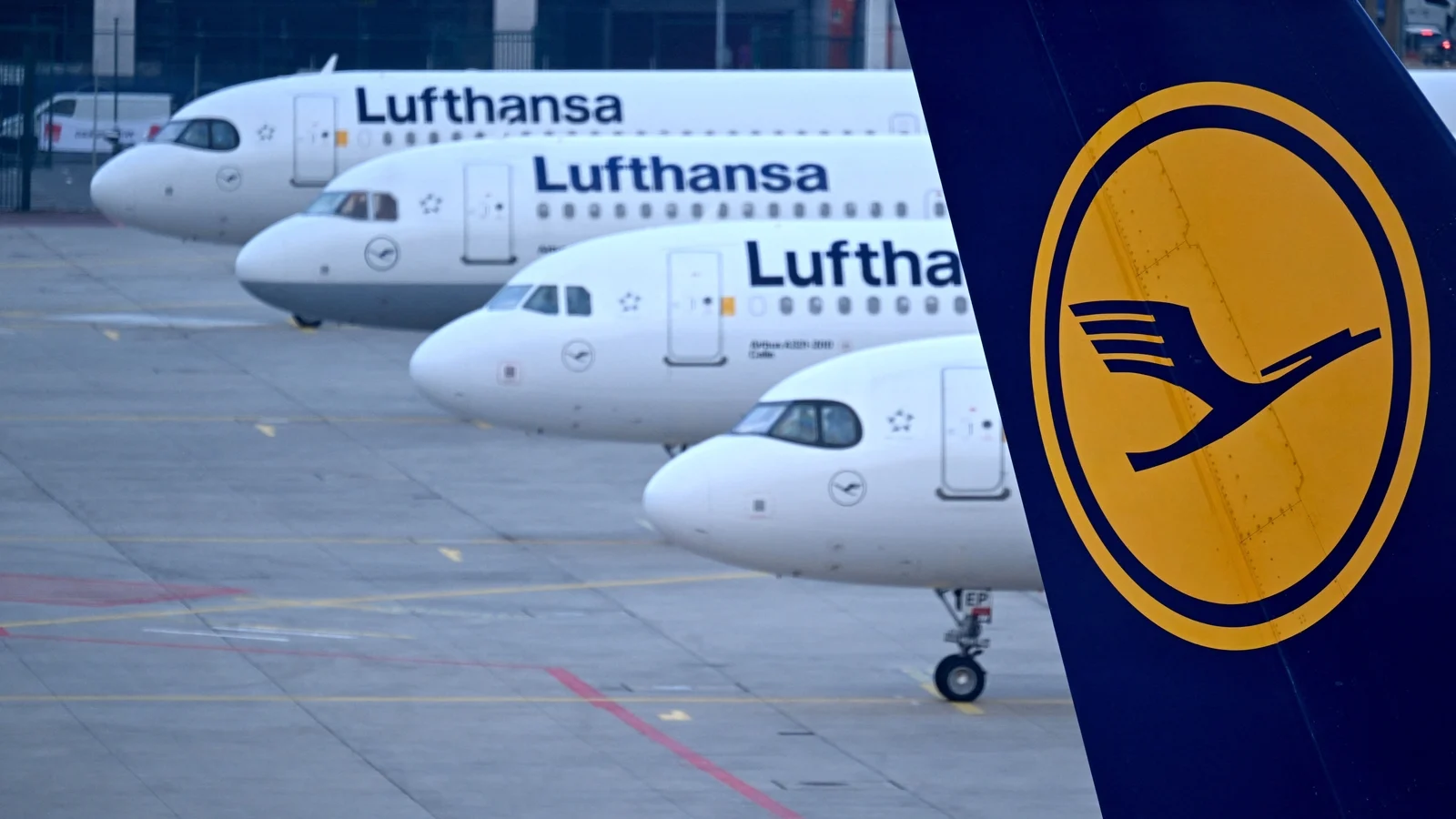
On a gray morning in Frankfurt, the terminal hummed as usual — coffee machines gurgled, families shuffled past check-in kiosks, and a departures board flickered with destinations. But behind the familiar choreography of travel, Lufthansa has quietly begun to reshape its map.
The German carrier announced a sweeping schedule adjustment that will remove roughly 20,000 short-haul flights from its timetable through October. It is a surgical move, the company says, designed to blunt the sting of surging jet fuel prices and to ditch routes that have been losing money for months.
“This is not a retreat from Europe,” said a Lufthansa operations executive, speaking on condition of anonymity to explain internal strategy. “It’s a recalibration — trimming marginal services so we can keep the backbone of our network strong.”
Numbers That Matter
Taken together, the cuts represent less than one percent of the group’s capacity — a small headline figure that belies the very real disruptions for travelers, airports and communities that depend on direct flights.
According to the company, the cancellations will save around 40,000 metric tons of jet fuel. To put that into perspective: burning one metric ton of jet fuel emits roughly 3.16 metric tons of CO2, so this pruning equates to avoiding on the order of 125,000 metric tons of carbon dioxide emissions — a significant co-benefit, even if emissions avoidance is not the primary motivator.
“Fuel is our single-largest controllable cost,” said Dr. Markus Hennig, an aviation economist in Munich. “When the price curve moves sharply, airlines react fast. You either raise fares, cut capacity, or find creative hedges. Lufthansa is doing a mix of the latter two.”
Where Flights Vanish — and Where They’ll Be Rerouted
Among the routes now missing from the schedule are services from Frankfurt to Bydgoszcz and Rzeszów in Poland and to Stavanger in Norway. For some passengers, it means adding a train leg, connecting through another hub, or booking with a different carrier.
In Ireland, Cork Airport confirmed the change will affect the four-times-weekly Lufthansa Cityline route to Frankfurt. “We’re working with the airline to rebook affected passengers and to minimise inconvenience,” a Cork Airport spokesperson said. “Any reduction in connectivity is felt here — our community values direct links for business, education and families.”
Other links — ten connections in total — are being consolidated within the Lufthansa Group and shifted to nearby hubs such as Stuttgart, Gdańsk and Wroclaw. That sort of internal rerouting is familiar to network carriers, but it often creates longer journeys for point-to-point travelers used to seamless, direct flights.
Passengers on the Ground
At a small café near the Cork terminal, locals exchanged opinions. “It’s annoying,” said Siobhán O’Donnell, a teacher who uses the Cork-Frankfurt flight to connect to conferences. “It was convenient; now I’ll have to reroute, probably through Dublin. That adds time and cost.”
In Gdańsk, a software developer named Piotr mitka shrugged. “It’s a shame for smaller airports. But if the flight was empty half the time, what’s the point? I can take a train to Warsaw and fly from there.”
The Fuel Factor: Why Prices Mattered
Lufthansa explained that the sharp rise in jet fuel costs — which the carrier links to geopolitical tensions in the Middle East — has doubled prices for some contracts since the outbreak of conflict. Higher fuel prices ripple through operating budgets, squeezing margins already under pressure from wage increases and higher airport charges.
Jet fuel, typically sold as Jet A-1, accounts for a substantial proportion of an airline’s variable cost. When supply concerns or geopolitical events send crude oil and refined product prices upward, carriers must react — and quickly.
“Airlines run on very thin margins,” said Claire Beaumont, an industry analyst at AeroInsight. “A sustained move of this kind in fuel costs can convert profitable routes into loss-makers almost overnight.”
How Lufthansa Is Responding
The company says it is employing multiple tools to cope: physical procurement of fuel, price hedging, and — now — tactical schedule cuts. Hedging allows airlines to lock in future fuel prices to protect against volatility, but hedges cover only part of consumption and can be expensive to maintain.
- Physical procurement: securing fuel supplies through contracts and supply chains.
- Price hedging: locking in prices for future deliveries to cap exposure.
- Network optimization: cutting or consolidating underperforming flights.
“We’re expecting a largely stable fuel supply for the summer timetable,” Lufthansa said in a statement. “But price volatility remains a serious risk.”
Local Consequences, Global Patterns
The immediate consequences will be local: fewer tourists in small towns, shifting business travel itineraries, and the potential weakening of regional hubs that depend on a steady stream of flights. But the decision also reflects broader trends rippling across the aviation industry.
Low-cost carriers have been aggressive on short-haul routes for years, pressuring legacy airlines to choose between competing on price or focusing on connecting traffic through central hubs. Economic shocks like fuel spikes accelerate that process, nudging airlines to prioritize high-yield business routes and global network coherence over marginal point-to-point services.
“This is about prioritization,” said Dr. Hennig. “A network carrier will protect its transatlantic and long-haul feeds because they carry more revenue per seat. Short-haul, where competition is fierce and fares are low, tends to be the first to feel the cut.”
What Travelers Can Expect
Passengers affected by cancellations have been notified of the first wave of changes — roughly 120 daily flight cancellations implemented earlier this week — and offered alternatives where possible. But not everyone will find a smooth replacement.
Have you ever had a carefully planned weekend evaporate because a direct flight disappeared? It’s a small moment of inconvenience that reveals a larger reality: modern travel is a web of decisions influenced by economies of scale, geopolitics and climate pressures.
Looking Ahead: Fragile Networks in a Changing World
There is an uncomfortable lesson here for communities and policymakers: air connectivity is more fragile than it seems. A handful of corporate decisions made in boardrooms can rearrange the map of regional access for months at a time.
For Lufthansa, the trade-off is clear — a short-term contraction to preserve network health and profitability in an uncertain fuel environment. For travelers, local businesses, and airports, the calculus is more complex: reduced service may save money on balance sheets but could erode economic opportunities in smaller markets.
And for the planet, there is a paradox. Cutting flights shrinks emissions; yet the underlying cause — fossil fuel price volatility and geopolitical instability — is itself bound up with a global energy system many argue needs urgent transformation.
So what would you choose if you were in the shoes of an airline executive, a mayor of a regional town, or a traveler booking that next short-haul trip? The answer reveals how we balance convenience, economics, and a future in which every barrel of fuel, and every flight, carries more than just luggage.