Empty Chair in Oslo, Shadows in Caracas: The Silence Where a Laureate Should Stand
On a crisp Oslo afternoon, flags fluttered, red carpets lay ready, and the echo of footsteps bounced off the ornate walls of City Hall — but one expected presence was missing.
“She is unfortunately not in Norway and will not stand onstage at Oslo City Hall at 1pm when the ceremony starts,” Kristian Berg Harpviken, director of the Norwegian Nobel Institute, told Norwegian broadcaster NRK, his voice carrying the flat certainty that comes with delivering difficult news. When asked where Maria Corina Machado was, he added simply: “I don’t know.”
The chair reserved for Venezuela’s most recognisable opposition figure remained empty. In its shadow, a daughter would step forward.
Between Ceremony and Concealment: Machado’s Odyssey
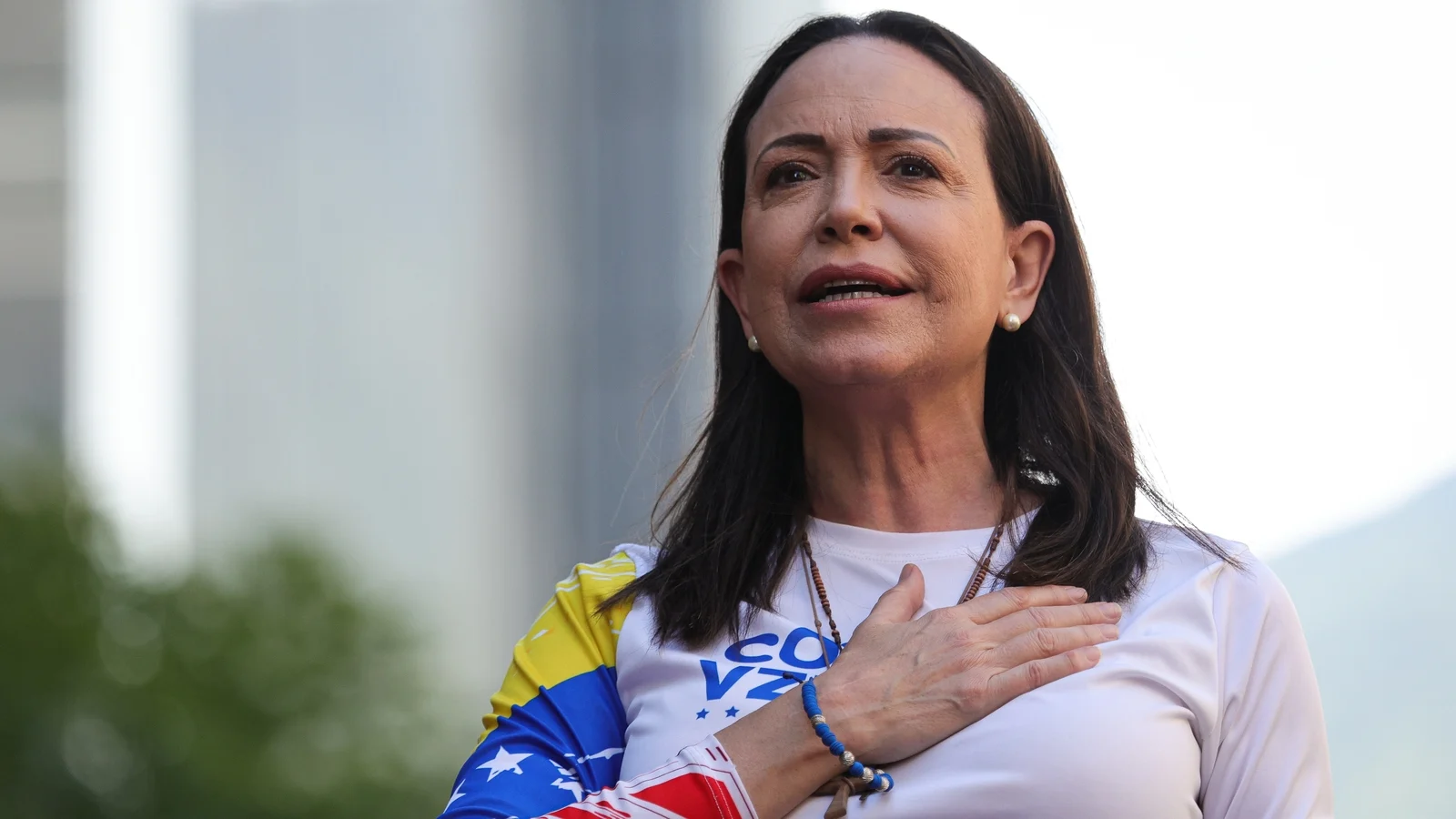
Maria Corina Machado, an engineer-turned-activist who has spent years in the crosshairs of Venezuela’s political struggle, won the Nobel Peace Prize last October — an accolade that turned her personal defiance into a global symbol. She had been expected to break a decade-long travel ban and appear in Oslo to accept the prize in person, a theatrical defiance that would itself have been an act of resistance.
Instead, the prize ceremony will proceed without her, with her daughter, Ana Corina Sosa Machado, standing in to receive the award and deliver the Nobel lecture. It is a quiet, intimate substitution that speaks loudly: when leaders are silenced, families inherit the public mourning and the public bravery.
Why Her Absence Matters
Machado’s absence is more than a logistical hiccup. It is emblematic of a wider pattern: authoritarian regimes that curtail movement, murk the information space, and leverage the law to keep opposition figures off the stage and out of sight.
President Nicolás Maduro, who has held power since 2013, casts outside criticism as plots against the nation. He has argued that foreign actors seek control of Venezuela’s vast oil wealth; the country indeed sits atop what is widely regarded as the world’s largest proven crude oil reserves, estimated at roughly 300 billion barrels. For Caracas, geopolitics and oil have always been two sides of the same coin.
Voices from the Borderlands: Exile, Memory, and Resilience
Walk the chaotic markets of La Candelaria in central Caracas or the quieter lanes of Petare, and you’ll find a vocabulary of loss and endurance. A former neighbour of Machado’s, now living in Bogotá, told me: “We packed our lives into suitcases twice over — first for work, then for dignity. Maria’s prize is ours too. We didn’t leave our homes because we wanted to; we left because the walls closed in.”
On the outskirts of Lima, a Venezuelan barber names Carlos, clipped and quick with a smile, said: “When they announced the Nobel, some of us cried in the shop. It’s not just about Maria. It’s about being seen. For eight years my family couldn’t sleep; now the world is listening, even if she isn’t here to hear it.”
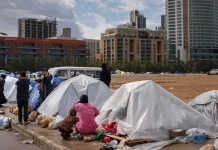
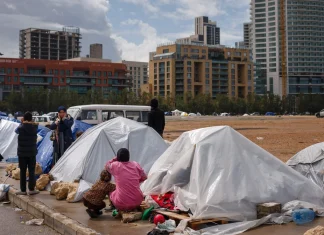
These voices are part grief, part astonishment. They are also a reminder: political awards travel faster than people do. Migration statistics tell the shape of that journey — according to the UNHCR and IOM joint data, more than seven million Venezuelans have left the country since the crisis escalated, making it one of the largest displacement crises in the world.
The Daughter Who Will Speak
There is a certain theatre to a daughter taking the stage for a mother who stands in the shadows. In a statement released ahead of the ceremony, a close associate said Ana Corina Sosa Machado planned to “speak of hope, of those who stayed, and of those who left with empty pockets but full stories.” The substitution is poignant: families of exiles become the living archives of political struggle.
What the Nobel Means — and What It Risks
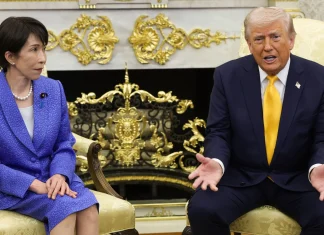
The Nobel Peace Prize has always been a magnifying glass; it can warm a cause or scorch its laureates. For Machado, who dedicated part of her prize to the polarising former US President Donald Trump — a remark that drew as much attention as it did criticism — the award is entangled with global geopolitics as much as with domestic resistance.
Analysts point out the paradox: international recognition can offer protection by keeping a spotlight trained on an individual, yet it can also harden the resolve of a regime determined to prevent that individual from exercising their newfound platform.
“Recognition can be a double-edged sword,” said Dr. Elena Márquez, a political scientist at a university in Madrid who studies Latin American democracies. “It elevates a leader, but it can also ossify narratives of foreign meddling used by those in power to delegitimise internal dissent. The critical question is: will this prize translate into tangible support for democratic institutions in Venezuela, or will it simply become another line in a foreign news feed?”
Local Color: Symbols, Salsa, and Graffiti
To understand the human texture of this crisis, look at the murals. In Old Caracas, walls still bloom with painted faces — of missing students, of loved ones, of political martyrs. Street stalls sell arepas and empanadas, vendors yelling prices with the same rhythm as protesters once chanted slogans. In airports, departure lounges are crowded with people who carry a photocopy of a childhood memory or the weight of an unread letter.
One mural near the Plaza Bolívar depicts a woman with a crown of stars and a cracked ribbon reading “Libertad.” A young artist, who asked to be called Maya, said: “I paint because the paint is cheaper than prison. Each face is a prayer. Each colour is a refusal to be erased.”
Questions for the Reader
What do we owe people who choose to resist from within and from exile? When international honours collide with local danger, do we protect the symbol, or the struggle? If the Nobel brings attention but not action, is attention enough?
As readers around the world watch the ceremony unfold without its intended protagonist, consider this: awards can spotlight injustice, but only collective, sustained pressure — legal, diplomatic, humanitarian — shifts the arc of history. The empty chair in Oslo is both a question and an invitation.
Beyond Oslo: The Long Arc
For now, a daughter will step up to an empty microphone, and speeches will be recorded and broadcast. Cameras will search for Machado’s face in crowded squares and dim safe houses. In Caracas, many will watch with quivering hope; elsewhere, the Venezuelan diaspora will log onto streams, gather in community centers, and listen.
Whatever happens next, this moment is a reminder of an uncomfortable truth: freedoms are fragile, and the protections of a global stage don’t always dissolve the local chains. As the day in Oslo closes, the real work — rebuilding institutions, nurturing civil society, reintegrating millions of migrants, and ensuring that courageous voices can be heard without fear — remains unfinished. Will the empty chair be a pause or a prelude?
Listen. Watch. Ask. And above all, hold the stories of those who are absent close — for the absent tell us as much about our world as the present ever could.