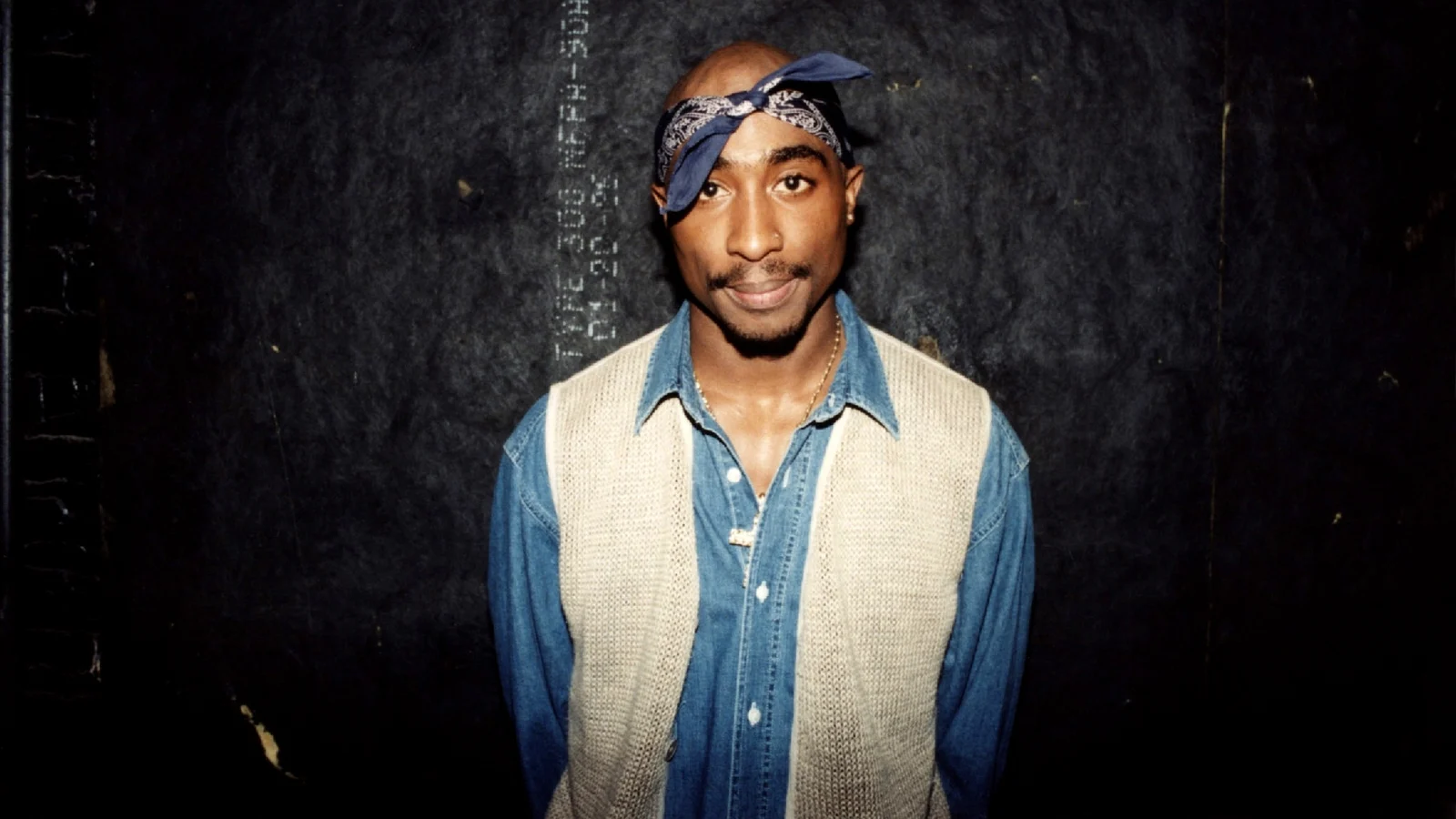
Nearly 30 years after Tupac Shakur was gunned down in Las Vegas, a former gang leader is set to face a jury today in a case that has long stood as one of America’s most notorious unsolved murders.
The trial, expected to run about a month, is unlikely to answer the question that has lingered since 7 September 1996: who actually pulled the trigger. Prosecutors, however, plan to argue they can prove who ordered the killing and how the weapon reached the shooter.
At the center of the case is Duane ‘Keffe D’ Davis, described by authorities as the onetime leader of the south side compton crips. Prosecutors contend he directed the attack and supplied the gun used in the drive-by shooting that killed Mr Shakur.
Mr Davis, 63, could spend the rest of his life in prison without parole if convicted.
The killing of Mr Shakur widely known as 2Pac has become one of the country’s most high-profile cold cases, fueling decades of speculation among fans and within the music industry about motive and blame.
Mr Shakur died at 25, at a moment when hip-hop was defined by an escalating rivalry between East Coast and West Coast artists and labels.
With chart-topping tracks including ‘California Love’ and ‘All Eyez on Me,’ Mr Shakur, the son of a Black Panther, grew up in Harlem and Baltimore before emerging as a symbol of a West Coast persona after signing with Los-Angeles based Death Row Records.
Jurors will be taken back into the turbulent era that pitted Death Row founded by Marion ‘Suge’ Knight — against Bad Boy Records, the East Coast label created by Sean ‘Diddy’ Combs and headlined by Christopher ‘The Notorious B.I.G.’ Wallace, who was murdered in March 1997.
Prosecutors say Death Row Records relied on protection from Mob Piru, a Los Angeles gang aligned with the wider Bloods alliance, and they say Mr Knight had ties to the group.
Bad Boy Records, they say, retained the rival south side compton crips — led by Mr Davis — as bodyguards.
Duane ‘Keefe D’ Davis appears in a Las Vegas court on 19 October 2023
According to prosecutors, tensions boiled over after the Mike Tyson fight at the MGM Grand casino, when Mr Knight and Mr Shakur attacked Mr Davis’s nephew, Orlando “Baby Lane” Anderson, a Crips member. Authorities say the beating was retaliation for an alleged assault on a Death Row employee.
The prosecution argues that Mr Davis sought revenge.
Later that night, prosecutors say, a white Cadillac carrying Mr Davis, Mr Anderson and others drove alongside Mr Shakur’s vehicle in Las Vegas. Gunfire erupted from the Cadillac, and Mr Shakur was struck and later died of his wounds.
Compromising memoirs
For years, investigators struggled to move the case forward, citing a shortage of evidence. The inquiry regained momentum after the 2019 release of Mr Davis’s memoirs, which drew renewed attention to his account of the night of the killing.
In the book, Mr Davis wrote that he sat in the front passenger seat of the Cadillac and passed a pistol to people in the back. He did not identify who fired at Mr Shakur.
All others who were inside the Cadillac that night have since died.
Investigators said Mr Davis’s memoir claims tracked statements he had previously provided to journalists.
This time, those admissions resurfaced with legal consequences: Mr Davis was arrested in September 2023.
He has since changed course and entered a not guilty plea.
“I’m innocent. I ain’t killed nobody. Never did ever kill nobody,” Mr Davis said in March 2025 in an interview from prison with ABC News. “They don’t have no evidence against me. They can’t even put me in Las Vegas.”
Mr Davis now says he was in Los Angeles on the night Mr Shakur was shot. He also claims he has never read his own memoirs, arguing that his co-author exaggerated elements to help sell copies.
“I just gave him details of my life,” Mr Davis said. “And he went and did his little investigation and wrote the book on his own.”
As the trial approached, Mr Davis’s attorneys sought to block the memoir from being used as evidence, along with statements he made during a 2008 police interview in which he spoke as a witness to the killing. Those efforts were unsuccessful.
The proceedings begin with jury selection, a process expected to take about a week.
Even when a verdict is reached, it may do little to resolve the pain for those who knew Mr Shakur, whose death has shaped public memory of the era.
In May, Mr Shakur’s stepbrother Maurice Shakur filed a wrongful death lawsuit in civil court.
“There remain individuals who were involved in Tupac’s murder who, for 30 years, have not been held accountable for their crimes,” his complaint says.
The lawsuit points to a recent TV documentary mini series titled “Sean Combs: The Reckoning,” which cites Mr Davis saying in a police interview that Combs now also in prison offered him $1 million to kill Mr Shakur.