
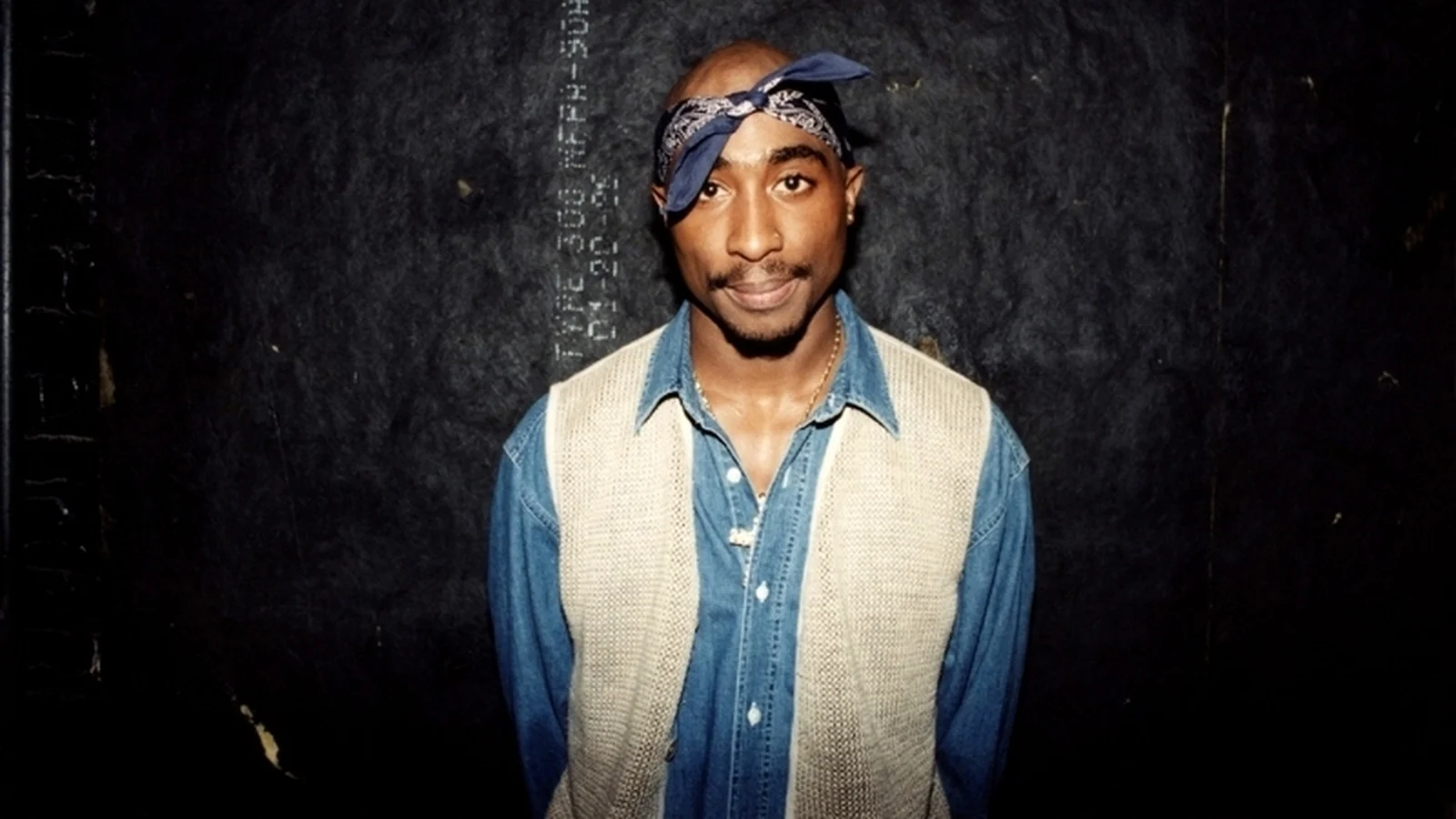
Nearly 30 years after Tupac Shakur was killed in a hail of bullets on the Las Vegas Strip, the case that haunted hip-hop’s golden era has reached a courtroom conclusion: the man prosecutors said orchestrated the attack has been sent to prison for decades.
Duane “Keffe D” Davis, 63, a former gang leader, was sentenced to 40 years to life in prison during a hearing in a Las Vegas courtroom. A jury found Davis guilty of first-degree murder in August.
The conviction and sentence close one of America’s most notorious cold cases, which remained unsolved for almost three decades until Davis was arrested in 2023. Mr Shakur was shot while sitting in the passenger seat of an SUV driven by his record executive, Marion “Suge” Knight.
Mr Shakur’s death at 25 robbed rap of one of its most successful and influential voices, while reinforcing a public image of violence that shadowed 1990s hip-hop. The killing also intensified the era’s infamous East Coast-West Coast “gangsta” rap rivalry.
Even with Davis’ conviction, one central detail has never been definitively settled: who actually fired the gunshots that hit Mr Shakur.
Prosecutors argued that Davis planned the shooting as revenge after his nephew was beaten by Mr Shakur and members of the rapper’s entourage inside the MGM Grand casino on the Las Vegas Strip on 7 September 1996. Davis was tried and convicted as the alleged mastermind of the attack.
Davis, who was sentenced to a life term in prison without the possibility of parole, has said he would appeal his conviction.
Fatal shooting sparked by casino brawl
The fight at the casino grew out of tensions between two Los Angeles-area street gangs: the South Side Compton Crips, which Davis described himself as leading, and Mob Piru, a group tied to Mr Shakur, Knight and their label, Death Row Records.
Both sides had converged on Las Vegas that night for a world heavyweight title boxing match between Mike Tyson and Bruce Seldon.
Duane Davis was tried and convicted for masterminding the murder
According to an account Davis later provided to police in an unrelated investigation — and that prosecutors relied on during his murder trial — he drove his nephew and two other associates around in a white Cadillac within hours of the MGM Grand brawl, searching for Mr Shakur and Mr Knight to settle the dispute.
Davis told authorities he handed a gun to the two men sitting behind him in the car. He said one of them fired through the window when the Cadillac pulled alongside the vehicle carrying Mr Knight and Mr Shakur in traffic.
Mr Shakur was hit four times and died in hospital six days later. Mr Knight sustained a minor injury when a bullet fragment grazed his head. He is now serving a 28-year prison sentence on an unrelated voluntary manslaughter conviction.
Investigators said they had long suspected Davis’ involvement in Mr Shakur’s killing but did not have enough evidence to bring charges.
The case shifted after Davis publicly discussed his version of events in media interviews and in a memoir. Prosecutors also cited recordings of his secret meetings with investigators, which together made up the core of the state’s case.
In “Compton Street Legend,” Davis wrote that he was regarded as a suspect in the killings of both Mr Shakur and Christopher Wallace, the rival rapper.
Wallace, known as the Notorious B.I.G. and signed to New York-based Bad Boy Entertainment, was shot and killed in Los Angeles in March 1997.
That murder remains unsolved, though speculation has persisted for years that Wallace was killed in retaliation for Mr Shakur’s death months earlier.
Under Nevada law, prosecutors did not need to prove Davis pulled the trigger to charge him as a participant in the murder, and he was never accused of firing the fatal shots. Prosecutors have also never publicly identified a suspected gunman.
All three of the other men who were in the Cadillac with Davis that night have since died.