Rain That Refuses to End: France’s Longest Wet Spell and a River That Keeps Taking
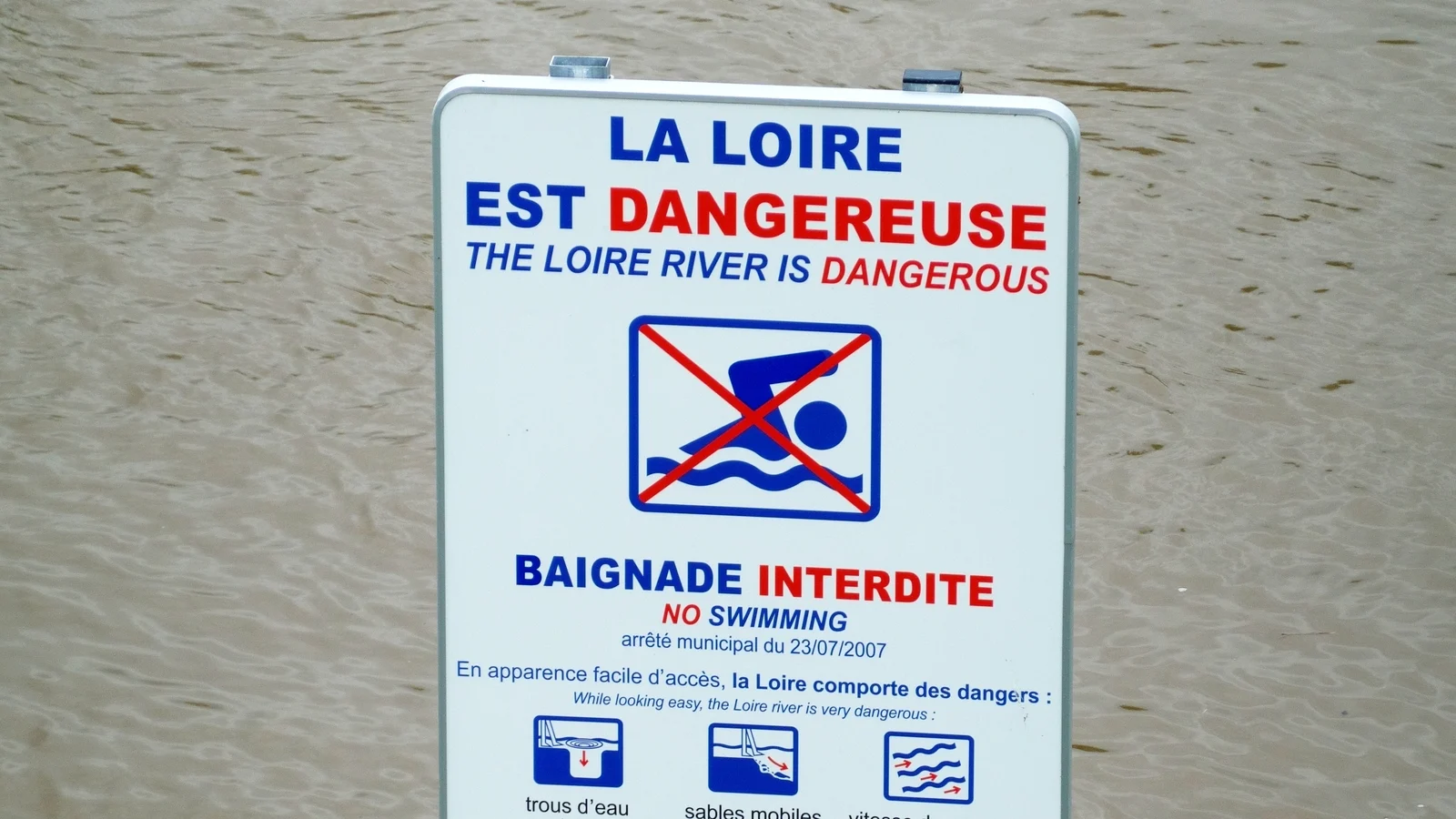
The Loire is not supposed to roar like an ocean. It’s meant to meander, to cradle towns and vineyards along soft banks that hold stories as old as France itself. This week, that familiar rhythm has been broken: the river has swelled into a cold, relentless current, swallowing streets, gardens, and the steady certainties of daily life. A man who capsized in a canoe near Chalonnes-sur-Loire is now missing, and the search teams are fighting against a grey, unending sky and a river that has turned treacherous.
France has just lived through an unprecedented run of rain — 35 consecutive days of measurable precipitation, according to Meteo‑France — the longest stretch since weather records began in 1959. For comparison, last year’s long rainy spell set a record that many thought impenetrable; this year it has been eclipsed, leaving communities, farmers, and emergency services stretched thin.
On the Ground: Chalonnes-sur-Loire and the Human Ripple
In Chalonnes-sur-Loire, the town clung to the riverbank like a postcard mid-flood. Street markets that usually brim with baguettes and bright produce now sat quiet, stalls empty or hastily shuttered. Locals stood at the edges of rising water, coats drenched, watching rescue teams launch boats into currents that cut like knives.
“We are deploying resources, but there is objectively very little chance of finding this person,” said François Pesneau, a senior official coordinating local rescue efforts, his breath fogging in the cold air. “The currents are violent and the water is cold — it’s a very dangerous situation.” The words landed like stones. Volunteers and firefighters continued anyway, because that is what communities do when the river demands it.
A woman named Marie, who runs the town’s boulangerie and delivered free loaves to rescuers, stood on the quay and said, “We worry for everyone. The river has always been our neighbour, sometimes generous, sometimes stubborn. Now it seems to have forgotten mercy.” Her voice was small but steady.
Bordeaux Rings the Alarm — For the First Time Since 1999
Further south, Bordeaux’s mayor, Pierre Hurmic, activated the city’s emergency plan — a decision not taken lightly and one not seen since the devastating floods of 1999. Low-lying quays and the historic riverfront promenades, places where lovers and tourists stroll at dusk, were barricaded. Parked cars bobbed in the water like forgotten toys.
“This is a call for everyone to take the warnings seriously,” a city official told me. “We are mobilizing shelters, checking hospitals and care homes, and preparing for an escalation when Storm Pedro hits.” The official declined to be named for this piece but left no doubt about the sense of urgency in municipal halls now lit through the long rainy nights.
Historic Stones Submerged: Saintes and the Arch of Germanicus
In Saintes, the Arch of Germanicus — a Roman doorway that once marked the town’s formal entrance — is partly under water. Ancient stones, worn by centuries of weather and history, now glisten with a modern peril: floodwater lapping their base. Reporters noted several central streets awash, some homes beginning to take on water, and local officials tallying damage. So far, about 50 streets and 900 homes have been affected, numbers that officials warn could rise as rivers continue to swell.
“You grow up with these monuments. You never expect to see them humbled by water in your lifetime,” said Luc Moreau, a history teacher who lives near the arch. “Standing there, thinking of Romans who marched under that arch, you realise how fragile our present is in the face of climate events.”
Weather, Warnings, and What Comes Next
The French flood-alert system, Vigicrues, has placed four departments in western France on red alert for flooding, with nine further departments under orange warnings. Lucie Chadourne‑Facon, director of Vigicrues’ flood alert service, warned that fresh rain expected midweek could “feed the current floods” and that the crest of the river — the moment when floodwater reaches its highest — might not arrive until the coming weekend.
“The end of rain does not mean the end of flooding,” she told reporters. “Grounds are saturated. Rivers are full. Water, once in motion, takes time to move through our systems.” Chadourne‑Facon’s words remind us of a simple hydrological truth: floods are not just about rainfall in the moment; they are about how landscapes and rivers absorb and delay that water.
Storm Pedro Looms
The meteorological picture grows more complicated with Storm Pedro on the horizon — a system projected to batter western Europe in coming days. Where rain falls on saturated soil, the risk multiplies: landslides, fast-rising rivers, and overwhelmed drains. Authorities have urged people to avoid travel where possible and to heed evacuation orders promptly.
Local authorities and emergency teams are already stretched. Firefighters, volunteer rescue groups, and municipal workers are coordinating shelters, sandbagging vulnerable areas, and checking on elderly residents. In Bordeaux, municipal buses have been repurposed as temporary shelters. In smaller towns, sports halls and community centers fill with those displaced from ground floors.
Beyond the Flood: Tracing a Larger Pattern
What is happening in western France is a vivid local story, but it also fits into a global pattern. Across the world, climate scientists have been warning of more frequent and intense extremes of rainfall as a warmer atmosphere holds more moisture. The Intergovernmental Panel on Climate Change (IPCC) has reported that heavy precipitation events have likely increased in frequency and intensity in many regions — a trend that places new strains on infrastructure designed for an older climate.
“Our infrastructure — from drainage systems to river dikes — was often built for a different hydrological reality,” explained Amélie Dubois, an urban resilience specialist. “Events like this test those limits. We must think about adaptive planning: more permeable surfaces in cities, managed floodplains, and early-warning systems that reach every doorstep.”
What Can You Do? Small Acts, Big Consequences
Reading this from afar, what can you do? First, be curious and compassionate. Check in on friends and relatives who live in affected areas. If you’re in a position to donate, reputable local charities and municipal disaster funds provide the most direct support. If you’re a policymaker or a voter, ask how your town is planning for the next inevitable storm.
- Stay informed via official channels like Meteo‑France and local prefectures.
- Check evacuation routes and register for local alert systems if you live in flood-prone areas.
- Support resilient infrastructure projects and community-led preparedness initiatives.
Closing: The River Remembers
There is a humility baked into these moments of crisis. The Loire and towns like Chalonnes-sur-Loire and Saintes have seen floods before — but not this long a slow, damp squeeze. The immediate task is rescue, shelter, and care. The larger task is harder: reimagining how we live with water in a changing world.
As evening fell and the rain continued its measured patter on corrugated shelters, a volunteer named Karim paused with a thermos of coffee and said, “We always say we live by the river. Now the river reminds us who decides.” It’s a small line, but it carries something essential: a reminder that nature sets terms we must learn to read, respect, and prepare for — together.
Are we listening?