At the edge of the world’s oil highway: waiting for permission to breathe
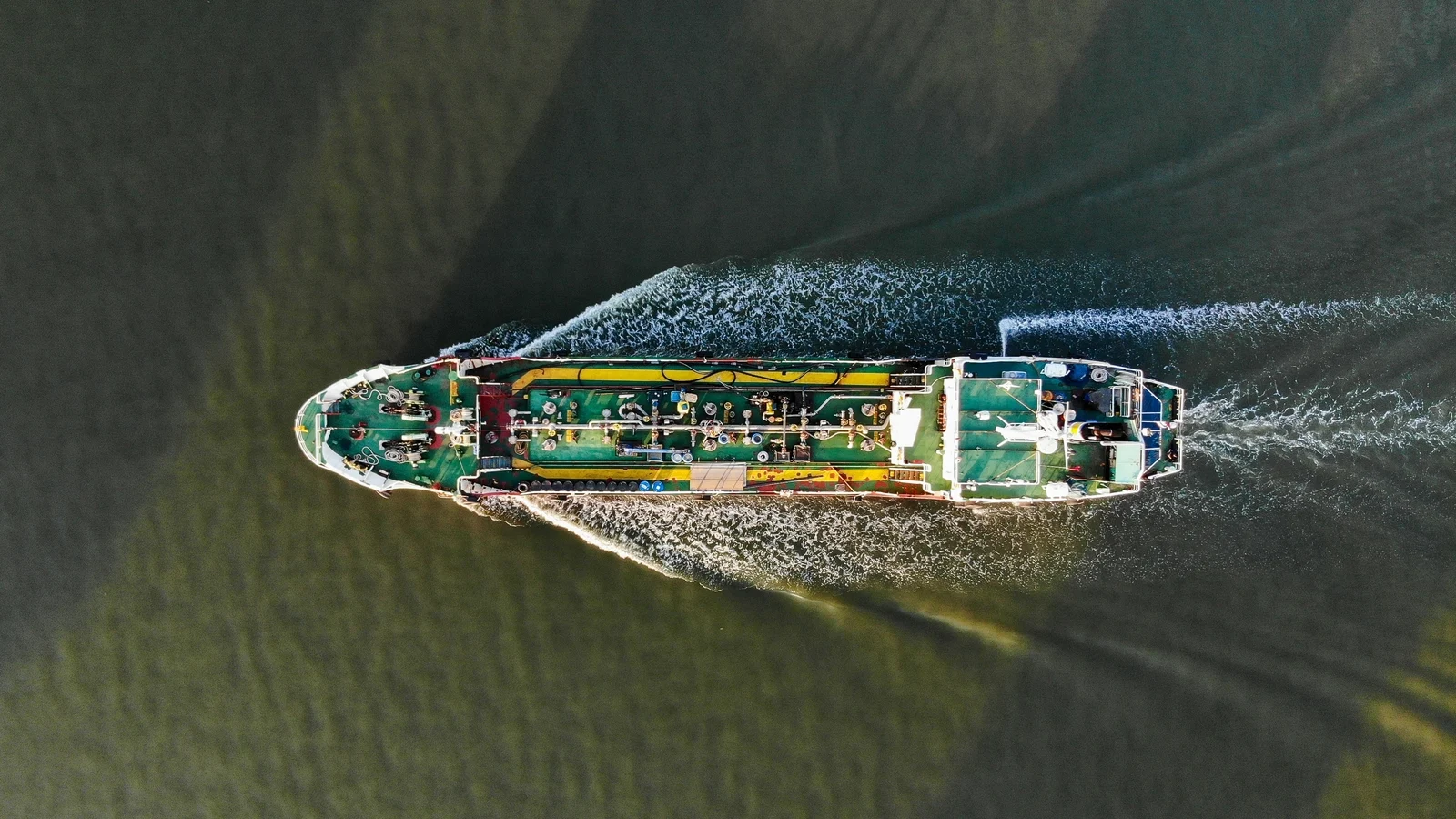
The morning fog over the Strait of Hormuz smelled of diesel and sea salt. On the deck of a Greek-owned bulk carrier bobbing off the Iranian coast, a small group of crew members huddled around a static-laced radio as a terse message crackled through: no ship moves without a permit. A coastguard voice—flat, official—warned that any vessel attempting to transit without clearance would be “targeted and destroyed.”
It felt like a line from an old maritime thriller, but this was 2026, and the stakes could not be more immediate: roughly one-fifth of the world’s seaborne oil and liquefied natural gas squeezes through this narrow choke point. For six weeks, the strait had become a no-man’s-land of stalled tankers, rerouted cargoes and spiking energy prices. Now, after a tentative US–Iran ceasefire, the waterway is technically open in one sense—and closed in another.
Permission required: who gets to sail?
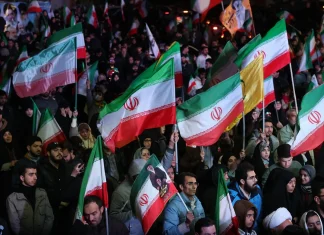
Iran’s position is blunt. State authorities say they will coordinate safe passage through their armed forces and will allow ships to transit—but only those that have explicit permission. Ship operators and insurers, already burned by recent attacks and near-misses, are not rushing back. “We need to see certainty on the ground,” said a senior operations manager at a European liner. “A radio bulletin is one thing. Guarantees and verified procedures are another.”
Two Greek- and two Chinese-owned bulk carriers were recorded making the transit after permission was reportedly granted. That first trickle of movement is being watched like a canary in a mine. For the rest of the fleet—tens of thousands of seafarers and the companies that depend on them—words still carry the weight of whether a ship will sleep safely at anchor or sail into harm’s way.
Major carriers move cautiously
Global names in shipping are signalling caution. Denmark’s Maersk described the ceasefire as a potential window for resuming routes but added that it did not yet translate into “full maritime certainty.” German carrier Hapag-Lloyd has told customers it will only accept new bookings for selected markets once the ceasefire demonstrates staying power. “We’re not sitting on our hands, but we’re not jumping back into the fire either,” a Hapag-Lloyd spokesman said.
Frontline’s chief executive, Lars Barstad, summed up the sentiment plainly: “I want to see the fine print.” Those words echoed the broader industry mood—curiosity tempered by a healthy dose of skepticism.
What the numbers say
Context matters. Since the flare-up began on February 28, maritime watchdogs and navies have catalogued nearly 30 incidents involving commercial vessels and offshore infrastructure across the region. As of the most recent ship-tracking data, roughly 187 laden tankers — carrying about 172 million barrels of crude and refined products — were taking shelter inside the Gulf.
That stockpile, idle at anchor or loitering in ports, is not an abstract statistic; it is gasoline in the ambulances, jet fuel at regional airports, diesel for power plants. When shipments stall, prices climb and refinery schedules scramble. Analysts warn that even after a diplomatic pause, returning to pre-conflict flow rates could take time—Hapag-Lloyd’s CEO estimated a six- to eight-week timeline for significant normalization.
Asia’s refineries lean in, warily
Asian buyers—India, China, South Korea, Japan—are the largest consumers of oil passing through Hormuz. Signs of renewed interest trickled in quickly: traders reported inquiries from Asian refiners and big commodity houses like Glencore, and even major oil firms were quietly assessing cargoes. “When there’s uncertainty, buyers position themselves conservatively,” said Anoop Singh, head of shipping research at Oil Brokerage. “We expect vessels heading to Iran-friendly ports to be the first to move. The math suggests more than 50 VLCCs (very large crude carriers) and a couple dozen Suezmaxes could clear the Gulf in the weeks ahead.”
But loading plans are only part of the puzzle. Vessels leaving the Gulf without prior coordination with both US and Iranian authorities face elevated peril, warned Jakob Larsen, Bimco’s chief safety and security officer. “It’s not just a bilateral issue,” Larsen said. “It’s an operational game of chess with insurers, flag states and naval forces all watching each other’s moves.”
Life at the margins: voices from the docks
On the wharves of Bandar Abbas, days have been long and business thin. “We’re used to busy berths, stacked containers, crews changing shifts over tea,” said Reza, a longshoreman who asked that only his first name be used. “Now you get silence, and the smell of engines without the sound of engines.”
Across the Gulf in Dubai, a shipbroker lit a cigarette and shrugged at his laptop. “We make our living predicting the unpredictable,” he said. “Right now, everyone’s pricing in premiums for risk. Charter rates jump, insurance premiums climb. That’s the invisible toll—costs that ripple down to consumers.”
What governments are doing
Political capitals are moving behind the scenes. Britain said it would coordinate with shipping, insurance and energy sectors to restore confidence in the strait. Other western and regional navies have increased patrols and intelligence sharing, while some countries have quietly reopened diplomatic channels with Tehran to secure guarantees for merchant traffic.
Yet maritime law, flag state responsibilities and the granular mechanics of issuing permits remain thorny. Who checks paperwork? Which naval vessel provides an escort? Which insurers are willing to underwrite voyages? The answers will determine how quickly ships return to the lanes they once took for granted.
Bigger themes: supply chains, geopolitics, climate
The Hormuz standoff is not merely a regional crisis; it’s a symptom of a global system baked into vulnerability. Energy markets have been buffeted by the transition away from hydrocarbons, the geopolitics of supplier markets, and more recently by the fragile interdependence of shipping lanes. For countries with tight import dependencies—particularly parts of Asia and Europe—disruptions here are acute.
Consider the climate paradox: as nations race to cut fossil fuel reliance, short-term shocks to oil supply still have outsized effects on inflation, transport and energy security. The Strait of Hormuz, narrow and strategic, sits at the intersection of that tension.
What happens next—and what we should be watching
The ceasefire has opened a sliver of daylight. But whether that light becomes a steady beam or a flicker depends on the mechanics of trust: permits issued and honored, insurers willing to return, port facilities taking crews, and navies willing to deconflict in real time.
Watch these signals over the coming weeks:
- Clear, verifiable coordination protocols between Iran and international navies;
- Insurers publishing amended risk ratings for the Gulf and the Strait;
- Renewed bookings on major carriers and bulk trades reversing detours;
- Price stabilization in international oil and LNG markets.
And ask yourself: how resilient are our global systems when a few miles of water can rattle markets and livelihoods across continents? When a fisherman in Hormuz worries about his catch being swept up in geopolitics, or when a refinery manager in Mumbai recalculates runs based on a risk bulletin—these are not distant effects. They are immediate, human, consequential.
Closing thoughts: patience, prudence, and the human ripple
Out on the deck where the radio hissed, the crew shuffled and the day warmed. Someone handed around a thermos of sweet tea; another crewman joked about the bureaucracy of a permit that could decide when they would see home. The joke was thin comfort.
As commerce and diplomacy begin a careful dance to restore the inlet’s flow, the world watches. The Strait of Hormuz is more than a shipping lane—it is a living artery for goods, energy and the livelihoods tied to them. For now, the passage is reopened in principle, but the real test will be whether the words on a radio become safe, sustainable motion through one of the planet’s most vital waterways.