Rory McIlroy’s Saturday to Dream On: A Record-Breaking Midway Masterclass at Augusta
There are moments at Augusta National that feel almost sacred — the hush as a ball arcs over the pines, the sudden applause that ripples through the azaleas, the faint smell of cut grass and pimento cheese wafting from the clubhouse. On Friday, Rory McIlroy turned one of those moments into a statement.
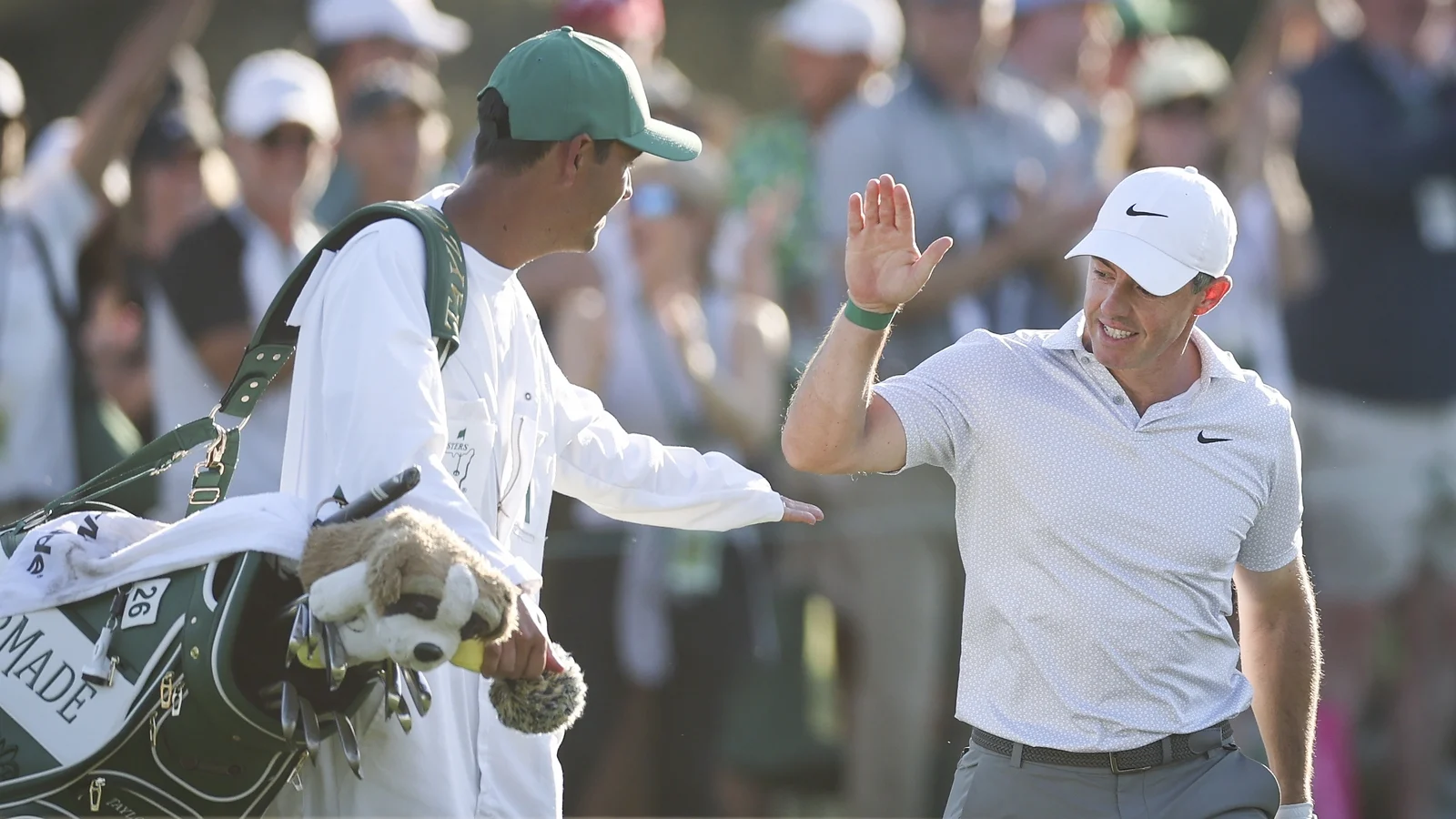
By sundown, the defending champion had signed for a 65 and sat at 12-under-par, an advantage of six strokes at the halfway mark — the largest 36-hole lead in Masters history. It was the kind of round that makes even casual viewers lean in: a late surge across Amen Corner, shots that seemed to find holes with a mind of their own, and a calm, unflappable player whose smile only widened as the scorecard filled with birdies.
Back-nine fireworks
McIlroy’s back nine was less of a scramble and more of a performance. Six birdies in his final seven holes — a blistering run of precision and nerve — turned a very good round into one that will live in highlight reels for years. Fans nearby joked that you could hear the crowd’s heartbeat quicken each time he walked to the next tee.
“It felt like everything clicked,” McIlroy told reporters with that dry ease he reserves for moments when he’s both self-aware and genuinely pleased. “You get into a rhythm out here; the crowd helps, the ball bounces right, and you ride it. But the only plan I’ve got for the weekend is to keep doing the same thing — focus on my shots, not the scoreboard.”
His caddie, Harry Diamond, who has been a steady hand beside him, added with a chuckle, “When the run started, we both felt it. I told him just to keep breathing, keep trusting the routine. He was fearless.”
The numbers and the nuance
Statistics can only tell part of the story, but they do offer context. A 12-under through 36 holes at Augusta is not just impressive — it’s historically commanding. In an era when course management and analytics rule, McIlroy blended brute distance with a surprising amount of touch. His approaches stopped close; his short-game artistry seemed tuned to the greens’ whims; and his putter, which can be a fickle thing, found its groove when it mattered.
Analysts watching the broadcast noted that McIlroy’s combination of length off the tee and soft hands around the greens made him particularly dangerous on a course that punishes both wayward drives and impatience at the edge of a green. “When Rory is hitting fairways and showing that touch, he’s probably the most complete player in the field,” said one televised pundit. “He’s got the weapons to make a long week shorter for everyone else.”
Echoes of the past and an eye to the future
For many, there was a faint echo of 2011 — the year McIlroy had a lead at Augusta that slipped away — but he appeared to be using that memory as fuel rather than a shadow. Two months after that December heartbreak, he went on to win the U.S. Open in emphatic fashion, and on Friday he spoke about how he’s learned to temper aggression with restraint.
“You can’t fake experience,” said Dr. Lena Moreau, a sports psychologist who has worked with elite golfers. “McIlroy has grown into a player who understands how to handle both the momentum of a hot streak and the temptation to overthink. That maturity is as valuable as any technical improvement.”
Stories from the grounds: fans, friends and the Irish contingent
Augusta’s patrons are devotees in the truest sense — many have returned year after year, and they bring rituals, uniforms (green jackets aside), and endless optimism. Around the 16th green, where McIlroy’s approach trickled close enough for the gallery to erupt, a small group of Irish supporters chanted and celebrated like it was a parish final.
“When he’s on, you can feel it,” said Siobhán O’Connor, a tourist from Cork who had made the pilgrimage. “There’s something electric about seeing him play this week. It’s not just about being Irish; it’s about watching someone who’s both excited and calm.”
Shane Lowry, another Irishman who continues to draw national attention, carded a tidy, bogey-free 69 and sits tied for fourth — seven shots behind McIlroy. “I’m happy with the way I played,” Lowry said. “I’d have taken this position before we started, but the good thing is I feel comfortable. We all know the weekend at Augusta can change in a heartbeat.”
Rivals and the road ahead
Sam Burns and 2018 champion Patrick Reed were among those within striking distance, but McIlroy’s cushion is substantial. Golf is a game that rewards both moxie and patience; leaders at this juncture of a major have wilted under pressure, and they’ve also steamrolled to victory with clinical efficiency.
“The next two rounds will be a war,” said former major champion and TV analyst David Hughes. “The pressure intensifies for everyone, not just Rory. He’ll have to keep his cool when the gallery tightens and the leaderboard becomes a siren.”
Why this matters beyond the leaderboard
Sporting greatness is often measured in titles, but moments like Friday at Augusta conjure something broader: a reminder of why we tune in. At a time when major championships jockey for attention in crowded sports calendars, the Masters still produces scenes that feel cinematic — human drama set against a meticulously groomed stage.
It also touches on the global reach of golf. From Tokyo to Johannesburg, viewers were watching a player navigate pressure with the poise of someone at peace with both his ability and his history. The image of McIlroy at the peak of form resonates beyond fan allegiances: it’s about craft, about persistence, and about the small decisions that compound into a masterful two-day lead.
What to watch this weekend
Will the momentum hold? Can the chasers muster rounds of flawless aggression? Here are a few threads to monitor:
-
McIlroy’s short game: If he continues to get up-and-downs when the green bites, he’ll be almost impossible to reel in.
-
Weather and pin placements: Augusta’s subtle undulations are a test when the course is firm and the pins are tucked.
-
Pressure on the chasers: Someone needs to shoot exceptionally low rounds to close a six-shot gap — that’s a psychological as well as a technical hurdle.
Final thoughts
Golf gives us parables about resilience and restraint. Here at Augusta, those themes are worn openly: the manicured fairways, the watchful crowds, the weight of tradition. Rory McIlroy’s Friday was a page-turner — the kind of chapter that makes you keep reading. But the weekend is a different book, and every leader has to prove themselves anew.
What do you think — is this the making of a dynasty, or the setup for a dramatic Sunday? Leave a thought, and come back on the weekend. At Augusta, anything feels possible.