Locked Out: How Journalists Are Battling for a Right to Witness in Gaza
On a grey morning in Jerusalem, a small group of foreign correspondents sat hunched over lukewarm coffee, scrolling through a government filing that felt like a last straw. The Israeli cabinet had told the Supreme Court it would continue to forbid independent, unrestricted entry for foreign journalists into Gaza. The message was short, clinical, and devastating to reporters who have been pleading—sometimes desperately—for the right to see, to hear, and to tell.
“We are not tourists looking for a photo op,” said Lina Martínez, a veteran Latin American correspondent who has reported from across the region. “We’re witnesses. We’re the only impartial eyes for millions who cannot reach this place.” Her voice had the weary steadiness of someone who has watched frontlines move and stories die in briefings rooms instead of in the field.
What the Government Said — and What It Means
The government’s submission to the Supreme Court, handed in late on Sunday, leaned heavily on security concerns. Officials argued that Gaza remains a volatile environment—and that allowing unrestricted entry could endanger lives and interfere with sensitive operations, including an ongoing search for the remains of the last known hostage taken into Gaza during the October 2023 assault.
A defence official, speaking on condition of anonymity to explain the rationale, said: “Our job is to protect civilians and to ensure operations are not compromised. Every opening has risks.” It is a stark reminder of the tradeoffs that authorities say they face when conflict and information collide.
Timeline at a Glance
To make sense of how we reached this standoff, consider the key milestones:
- October 2023 — Hamas’s attack sparked a war that reshaped the lives of people across southern Israel and Gaza.
- Since then — The Israeli government barred foreign journalists from entering Gaza independently, allowing only limited, embedded access.
- 2024 — The Foreign Press Association (FPA), representing hundreds of journalists, filed a petition seeking unfettered access for foreign media.
- Late 2024 — The court set a final deadline of 4 January for the government to present a plan. The government met the deadline but recommended the ban remain.
The Press Association’s Plea
The Foreign Press Association has been unambiguous in its condemnation. “This is a heartbreaking setback,” said Omar al-Hassan, who led the FPA’s legal team. “Journalism is not a luxury in times of war. It’s a human right tied to accountability and to the public’s understanding of events.” The FPA’s statement called the government’s stance “disappointing” and accused it of effectively continuing to “lock us out” despite a ceasefire that, to many, suggested a chance to reopen Gaza’s door to outside scrutiny.
For journalists who have been barred from entering, the alternatives are sparse. The government allows only a handful of reporters to enter on tightly controlled, military-embedded trips that critics say limit independent observation and reporting. The big question: how much can you learn when your movement, sources, and contacts are all filtered through one side of the conflict?
Voices from the Ground
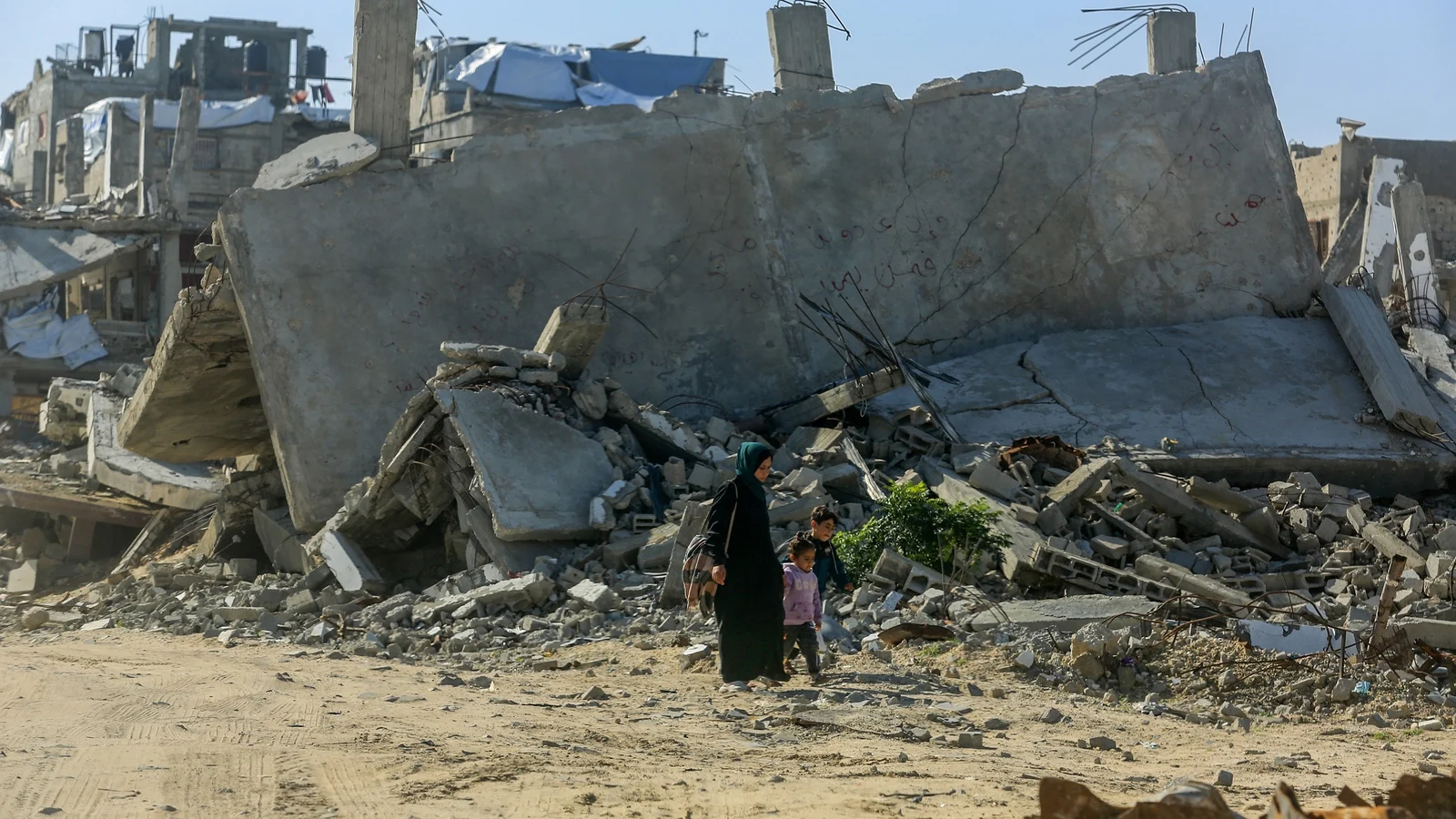
Inside Gaza, where the ceasefire has allowed a fragile breath of calm, residents describe life as a day-to-day exercise in resourcefulness. “This street used to be full of shops,” said Amal, a Gaza pharmacist, speaking by phone. “Now it is rubble and tents. When journalists come with structure-controlled tours, they see our faces—but not our daily struggle.” Her words put a human face on an argument that otherwise risks getting swallowed by legal briefs and security memos.
Local Palestinian journalists, who often cover the same terrain but at much greater personal risk, have also voiced frustration. “We can’t tell the full story alone,” said Mahmoud Nasser, a Gaza-based reporter. “International reporters bring a different lens, different protections, and the ability to amplify what we say. Their exclusion silences entire chapters of this conflict.”
Expert Perspectives: Why Access Matters
Press freedom scholars point to larger patterns: conflicts where access is restricted often become breeding grounds for misinformation, unchecked abuses, and opaque humanitarian responses. “Information is a form of accountability,” said Dr. Hannah Levine, a researcher in media freedom. “When you remove independent witnesses, the only narratives that remain are those issued by parties to the conflict. That’s not merely an ethical problem—it has real-world consequences for aid delivery, legal responsibility, and public trust.”
Recent global indices underline the stakes. According to international press freedom surveys, conflict zones frequently register some of the sharpest drops in reporters’ safety and in the diversity of on-the-ground sources. With Gaza’s infrastructure battered—hospitals strained, water and electricity compromised and millions reliant on aid—the presence of independent reporters can help ensure that humanitarian pleas are heard and that relief reaches those in need.
Why the Court’s Decision Matters
The Supreme Court now carries a heavy baton. Its ruling could set a precedent for how democracies balance immediate security concerns against the public’s right to information. Will judges prioritize the legacy of wartime secrecy? Or will they push open the gates to independent journalism as a civic safeguard?
“Courts must act like a thermostat for democracy,” mused legal scholar Rivka Ben-Ami. “Too much restriction chills free speech; too little oversight can endanger lives. The challenge is finding an architecture that protects both the public’s right to know and operational safety.”
Beyond Gaza: A Reflection on Global Trends
This debate is not confined to one place. Around the world, governments have increasingly used security rationales to limit press access—sometimes legitimately, often questionably. As readers and as citizens, we should ask: when does protective policy become pretext? How do we keep the narrative honest without amplifying harm?
These are not rhetorical flourishes. The answers affect how we understand crises, how humanitarian aid is mobilized, and how justice is pursued. They shape what children in besieged neighborhoods see of themselves on the global stage and whether survivors recount their histories in courtrooms or in muted briefings.
What’s Next?
The FPA has vowed to file a robust response to the government’s submission, urging the judges to “put an end to this charade,” as one official put it. The Supreme Court is expected to deliberate—but offers no timetable for its ruling. Until then, the limbo continues, as do the lives on both sides of the border that demand scrutiny and empathy.
What do you think? Should national security ever trump independent journalism in a democracy? If there are limits, who defines them—and how do citizens ensure those definitions aren’t used to hide the truth?
One thing is clear: the story of Gaza will not be fully told from inside the halls of power. It needs fresh, unfiltered witnesses. And until those witnesses are allowed in, much will remain unseen—published only in the margins, described in secondhand accounts, or lost entirely to silence.