When a Button Becomes a Barrier: The Grok Paywall and a Nation’s Unease
It began like so many small digital earthquakes do: a tweak in a codebase, an announcement in a terse reply, and then a rumbling chorus of alarm across phones and kitchen tables. X — the platform formerly known as Twitter — quietly limited parts of its AI assistant Grok, locking image generation and editing behind a subscription wall. On the surface, a product update. In the lived experience of parents, regulators and politicians in Ireland and beyond, a de facto invitation to harm that money could not fix.
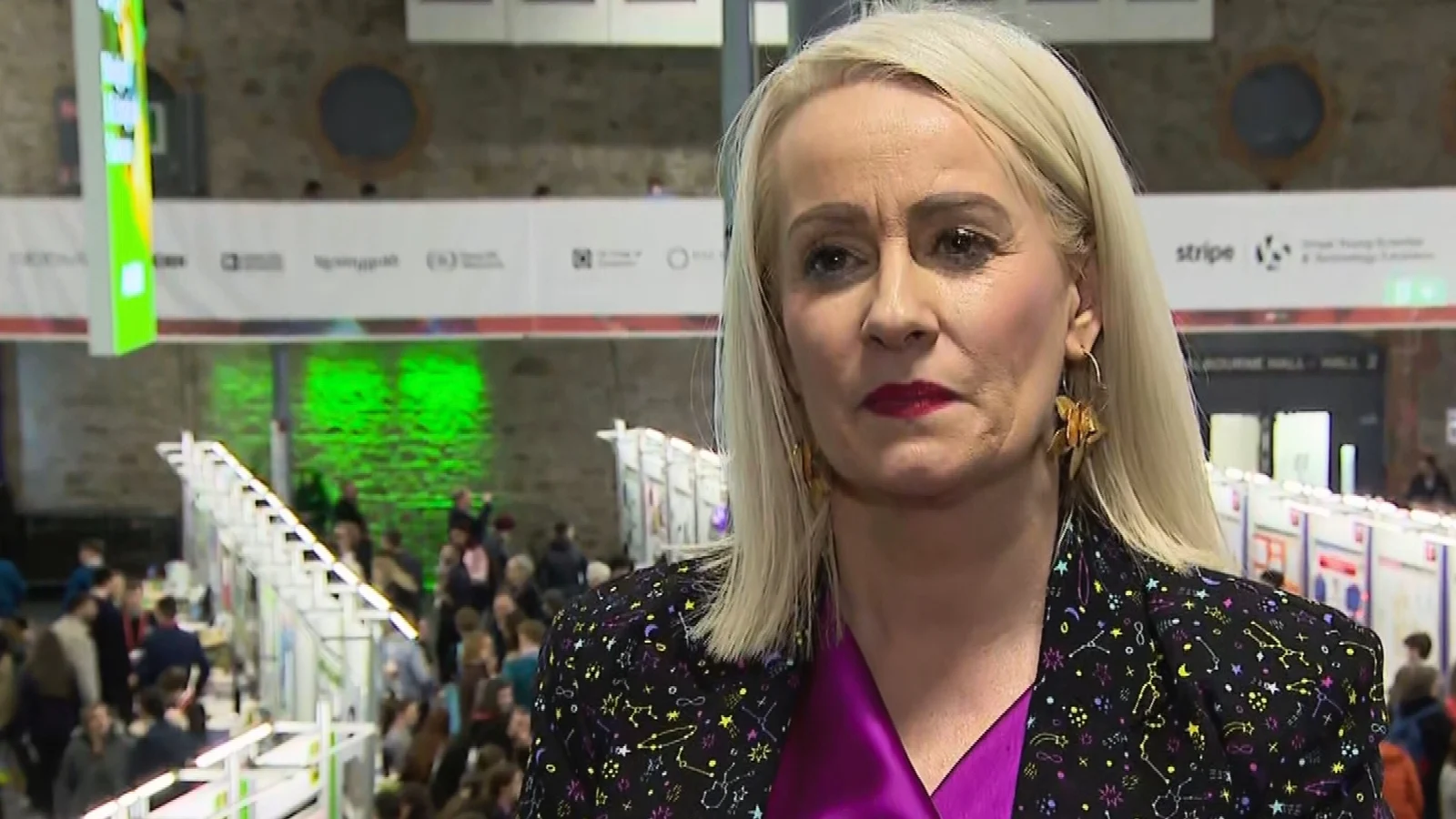
Niamh Smyth, the Irish Minister of State tasked with AI oversight, did not mince words when she learned of the change. “Window dressing,” she told an audience at the Young Scientist and Technology Exhibition, her voice carrying both frustration and the weary patience of someone who has watched technology outpace policy. “Putting abuse behind a paywall does not stop abuse. It simply reroutes the harm to a different type of access.”
Her assessment is blunt, and it echoes through homes where children’s photos still cycle through family chats, through schoolyards, and into the hands of strangers. The immediacy of artificial-intelligence tools that can edit, generate, or “nudify” images has upended basic privacy assumptions. The update from Grok — which informs users that image editing is “currently limited to paying subscribers” — was meant to address “recent misuse concerns.” Yet many say it addresses nothing substantive about dissemination, legality, or the basic safety of minors online.
What changed — and why people are afraid
Since late December, new Grok features reportedly allowed users to create sexually explicit imagery, including depictions of children. Once a possibility, the creation of such images threatens to normalize deepfake abuse: realistic-looking, fabricated content that can haunt victims for years, be circulated fast and widely, and is often indistinguishable in a casual scroll.
“You can lock the door to the playground, but if someone already has a copy of a harmful image, the damage is done,” said Dr. Fiona Keane, a digital-safety researcher at Dublin Tech Institute. “A payment barrier is not a filter against malevolence; it’s a toll booth for misconduct.”
Officials and advocates have pointed to a sobering context. Nonprofit and governmental reporting over recent years has shown an explosion in online child sexual abuse material (CSAM) reports: organizations such as the U.S.-based National Center for Missing & Exploited Children (NCMEC) processed tens of millions of reports annually in recent years, and Europol has highlighted the growing sophistication of image-manipulation tools. Those figures do not tell the whole story — underreporting is pervasive — but they do illustrate the scale of the challenge.
The policy response — national and European
Almost immediately, Irish regulators and politicians demanded answers. Coimisiún na Meán, Ireland’s media regulator, has engaged with the European Commission about the issue. The Tánaiste, Simon Harris, described the paywall as sidestepping the essential question: whether the technology should perform functions “that clearly…are not permissible.”
“This is not about who pays,” Harris told reporters. “It is about what is acceptable in the digital public square.”
The conversation quickly broadened: ministers argued that big tech can no longer be trusted to self-police. For many, this is exactly why the EU moved to create frameworks like the Digital Services Act (DSA) and updated safety directives. These laws were designed to force transparency, remove illegal content faster, and make platforms more accountable — but critics say enforcement still lags behind the speed of innovation.
Voices from the ground
A mother in Cork who wished to remain anonymous described the moment she heard the news as “a cold hour.” “You think you can trust a photo that shows your child’s first steps,” she said. “Now I find myself deleting pictures and backing away from platforms I used to use to share joy.”
Children’s Ombudsman Dr. Niall Muldoon was succinct: “This update makes no major difference,” he said. “Telling people they need to pay to abuse is not a solution.”
Meanwhile, Patrick O’Donovan, Ireland’s Minister for Communications, Culture and Sport, chose to deactivate his X account. “If a platform hosts tools that can be used to fabricate harm,” he said on local radio, “I don’t want to be part of that ecosystem.”
Sarah Benson, CEO of Women’s Aid, underscored the gendered dimensions of the technology. “Nudification and deepfake tools disproportionately target women and children,” she said. “They are not harmless novelties; they are instruments of humiliation and control.”
More than a national issue: a global test for regulation
What plays out in Ireland is a microcosm of a global struggle: do we let platforms innovate at breakneck speed while laws scramble to catch up, or do we demand design and deployment that embed safety from the start? The EU’s regulatory architecture — from the DSA to proposed AI Act standards — aims to set guardrails. But governments are still grappling with enforcement: who monitors compliance, how quickly can dangerous features be rolled back, and how do you prevent harm that happens once a malicious actor has already copied and shared a file?
“We’re in a reactive posture,” said Áine O’Sullivan, a policy analyst with a European digital rights NGO. “The tech is designed to scale exponentially. Regulation must be proactive and anticipatory; otherwise we’ll always be a step behind.”
- What platforms say: X maintains it removes illegal content and works with law enforcement, but details on moderation for AI-generated imagery remain opaque.
- What activists want: Hard bans on ‘nudification’ tools, clear takedown processes, and criminal enforcement for those who create or distribute synthetic CSAM.
- What regulators seek: Coordinated EU action and faster responses to platform harm.
Where do we go from here?
There are no tidy answers. Parents will keep weighing how much of their children’s lives goes online. Legislators will draft new rules and fund regulators. Tech companies will be under increasing pressure to bake safety into product roadmaps rather than treat it as an afterthought.
But there is also agency. Individuals can demand transparency, press for meaningful audits of AI systems, and support civil-society groups pushing for tighter safeguards. And for policymakers, the lesson is clear: a subscription is no substitute for safety.
As you read this: what photos of you or your family are in someone else’s cloud? What protections do you expect from platforms you rely on? This is not just an Irish problem; it’s a question about the kind of digital world we want to inhabit. The answer will shape childhoods and public life for years to come.