Israelis are heading to the polls with their country still reeling from war and political upheaval — and with Prime Minister Benjamin Netanyahu fighting to extend a record-setting tenure after the 2023 Hamas-led attacks, the war in Gaza, confrontation with Iran and growing international isolation.
Mr Netanyahu, Israel’s longest-serving leader with 19 years in office, has repeatedly defied predictions of his demise. He enters this contest once again as a skilled political survivor, helped by the steady entrenchment of nationalist politics and an electoral system so fragmented that it can reward the candidate best able to stitch together a governing coalition.
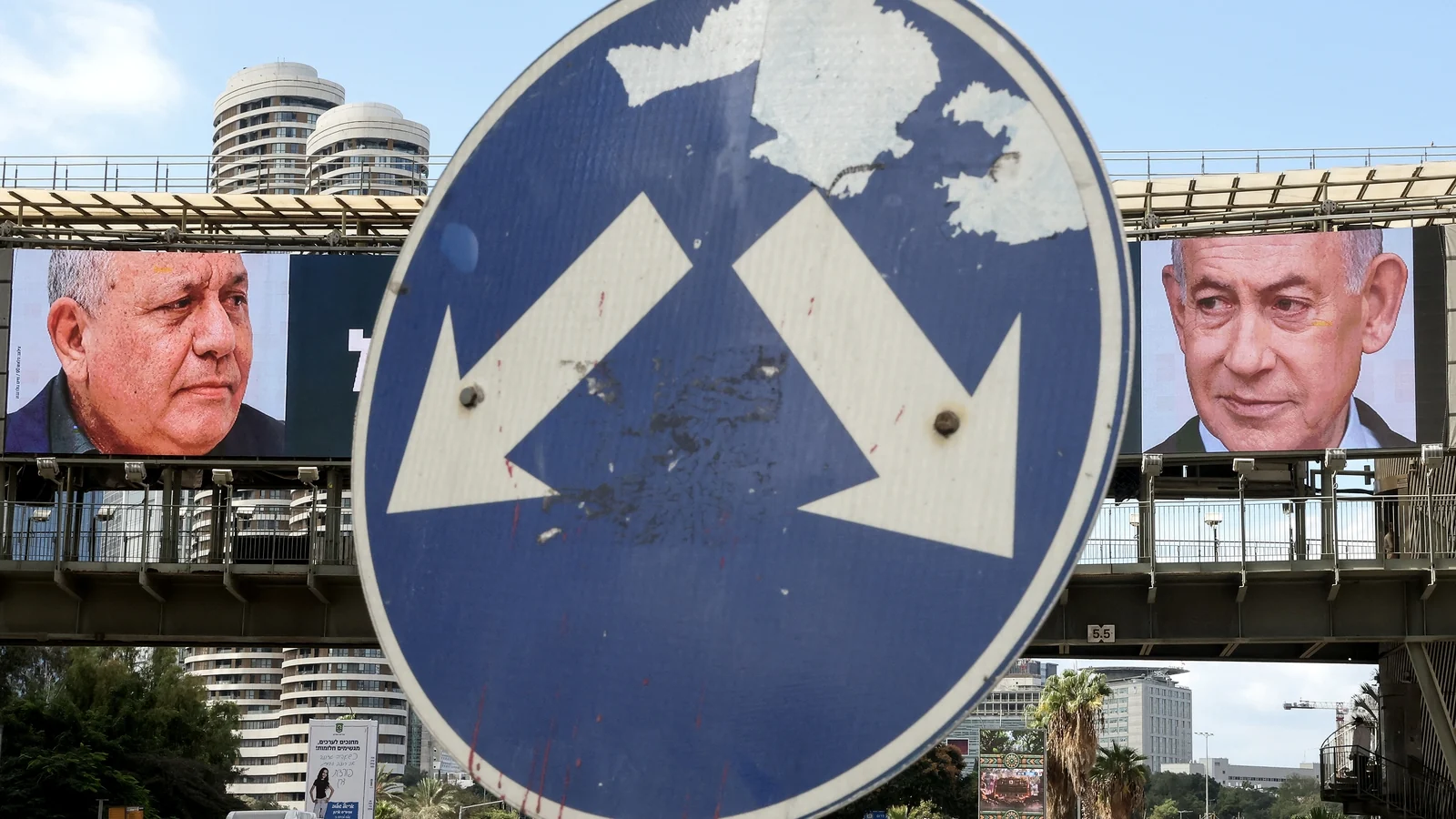
Surveys suggest a tight contest between Mr Netanyahu’s Likud party and its right-wing allies, and a competing alliance headed by Gadi Eisenkot — a former military chief of staff drawing support from both the centre and parts of the right.
Voters are weighing on the leadership of Benjamin Netanyahu
On the campaign trail, Mr Netanyahu has leaned heavily on his wartime credentials and his relationship with US President Donald Trump. Mr Trump has endorsed him and joined Israel in waging war on Iran. Mr Netanyahu said yesterday that Mr Trump was ready to act again to “finally” eliminate the Iranian threat — but only if Mr Netanyahu stayed in office.
Mr Eisenkot has pushed back sharply, accusing Mr Netanyahu of “relying on a campaign of fear-mongering, lies and threats,” while arguing he believes Mr Trump would work “in full cooperation with any leader chosen by the people.”
As in past elections, Mr Netanyahu could find his route back to power running through far-right figures Itamar Ben-Gvir and Bezalel Smotrich. Some Western countries have sanctioned both men, accusing them of inciting violence against Palestinians. Even so, Mr Ben-Gvir’s Jewish Power party has registered gains in opinion polls.
Read More: What to know as Israel holds first vote since 7 October
For all the high stakes, neither Mr Netanyahu nor Mr Eisenkot has an assured governing majority. If both fail to build a coalition in the 120-seat parliament, Mr Netanyahu could remain in place as caretaker prime minister until another election is held next year.
Polls are open until 8pm Irish time.
The vote arrives at the end of one of the most turbulent stretches in Israel’s history since the state was established in 1948 — a period defined by the shock of the 7 October 2023 Hamas attacks, Israel’s subsequent military campaign in Gaza, and deep internal rifts over the agenda of Mr Netanyahu’s right-wing government.
For many of Mr Netanyahu’s opponents, the central question is accountability for the security failures of 7 October, Israel’s deadliest day.
Israel flattened much of Gaza in the offensive launched after 7 October, when Hamas-led militants killed 1,200 people and took another 251 hostage. Gaza health authorities say Israeli attacks killed 74,000 people.
A campaign billboard depicts Benjamin Netanyahu and Donald Trump in Tel Aviv
Beyond Gaza, Israel struck major blows against Iran-backed Hezbollah in Lebanon and exchanged strikes with Iran, before a 12-day aerial campaign against Iranian nuclear sites in 2025 and this year’s joint US-Israeli war.
Mr Eisenkot has said the next government must stop Iran from gaining a military nuclear capability — whether by force or through an “arrangement,” including a US-backed diplomatic solution.
Like nearly all Jewish-led parties in Israel, Mr Eisenkot rejects the two-state solution that for decades formed the basis of negotiations with the Palestinians.
However, he has condemned Jewish settler violence against Palestinians in the Israeli-occupied West Bank — violence that has surged since 2023, worsening strains with Western partners — and he has positioned himself against Mr Netanyahu’s far-right coalition allies Mr Ben-Gvir and Mr Smotrich.
Even in Likud strongholds, frustration has spilled into the open. Disenchanted voters have been knocking on doors to persuade others to vote against Mr Netanyahu, and some have peeled away as he continues to fight corruption charges he denies in a long-running criminal trial.
Turnout among Israel’s Arab minority — citizens of Israel who are Palestinian by heritage — could prove influential in the country’s delicate coalition arithmetic and tilt the balance toward Mr Eisenkot.
Although Mr Eisenkot has ruled out forming a partnership with Arab parties, citing a lack of shared values, analysts describe a potential outcome in which Arab factions support a minority government he leads as a way to ensure Mr Netanyahu is pushed from office.
“My expectation is that we will have only a slight majority either way. No landslide,” said Israeli political analyst Amotz Asa-El of the Shalom Hartman Institute.