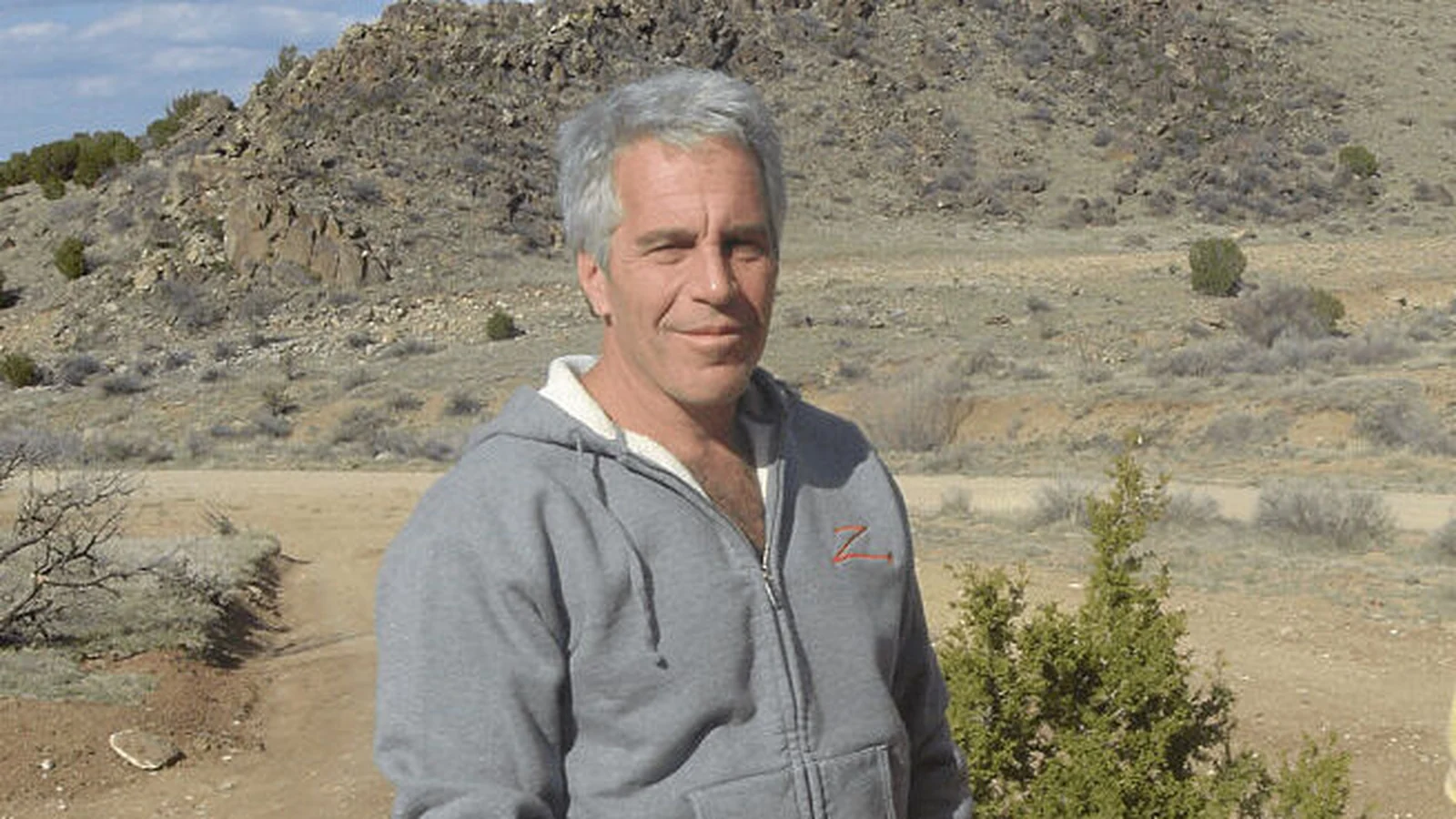
A blistering congressional report has reignited scrutiny of Jeffrey Epstein’s orbit, with US lawmakers urging more criminal investigations into people who associated with the late sex offender and warning that failures by prosecutors, banks and influential connections allowed his abuse to persist for years.
The Epstein saga has also continued to shadow President Donald Trump, who maintained a friendship with the financier for years but has said he had no knowledge of Epstein’s crimes.
Claims that Mr Trump helped cover up key parts of the investigation opened the first major rift with his support base after he returned to the White House.
In its latest recommendations, the Republican-led House Oversight Committee called on the US Justice Department to interview or reinterview central witnesses and to pursue allegations involving two prominent men linked to Epstein.
Former Miami Beach mayor Philip Levine and French celebrity hairstylist Frederic Fekkai have both denied sexual assault allegations — referrals to federal prosecutors made by the committee in June — stemming from statements by Epstein’s longtime assistant Sarah Kellen.
The report also pressed for additional questioning of another longtime Epstein assistant, Lesley Groff, focusing on what she may have known about his conduct.
Ms Groff told investigators she never suspected Epstein of sexually abusing women and girls, but Republican investigators said they did not find her testimony credible.
Those recommendations follow a 15-month congressional investigation that drew on testimony from well-known figures in Epstein’s financial and social circles, alongside a broad review of government files and banking records.
“Epstein operated with impunity, shielded and enabled by powerful connections and a justice system that repeatedly failed his victims,” committee chairman James Comer said.
According to the report, authorities could have stopped Epstein’s crimes after 2005 if federal investigators and prosecutors had pursued early allegations with greater urgency and force.
Instead, the committee highlighted a widely criticised 2007 deal in Florida in which prosecutors allowed Epstein to avoid federal charges by pleading guilty to lesser state offences.
He was sentenced to 18 months in jail but served 13 months and was granted extensive work-release privileges — conditions the report said enabled him to keep abusing women.
Beyond law enforcement decisions, the investigation faulted financial institutions for missing or ignoring red flags, including suspicious transactions and signs consistent with human trafficking. American Express was singled out in the report.
Lawmakers also urged the US Treasury Department to review whether banks properly filed suspicious activity reports related to trafficking and money laundering.
Jeffrey Epstein and Ghislaine Maxwell
The report further criticised the Justice Department for disclosing private information about survivors during releases of Epstein-related files.
Republican investigators said they found no evidence tying Mr Trump to Epstein’s crimes, and argued Democrats had attempted to turn the inquiry into a political weapon.
But the committee’s top Democrat, Robert Garcia, rejected the report’s conclusions, calling them the result of a partial investigation conducted without public hearings. He also accused the Justice Department of unlawfully withholding “over 2.5 million pages of documents”.
Democrats, who regained control of Congress in last week’s midterm elections, have pledged to continue examining Epstein’s network once they take power in January.
Epstein died in a New York jail in 2019 while awaiting trial on federal sex trafficking charges.
His accomplice Ghislaine Maxwell is serving a 20-year prison sentence.