Released at Last: 100 Children Walk Free After a Nightmare in Rural Niger State
When the sun rose over Papiri, it glanced off dusty roofs and a small white church steeple that has long been the village’s compass point. For weeks that morning light had also cut across faces brimming with worry — parents who had watched their children vanish into a stillness thicker than the harmattan haze.
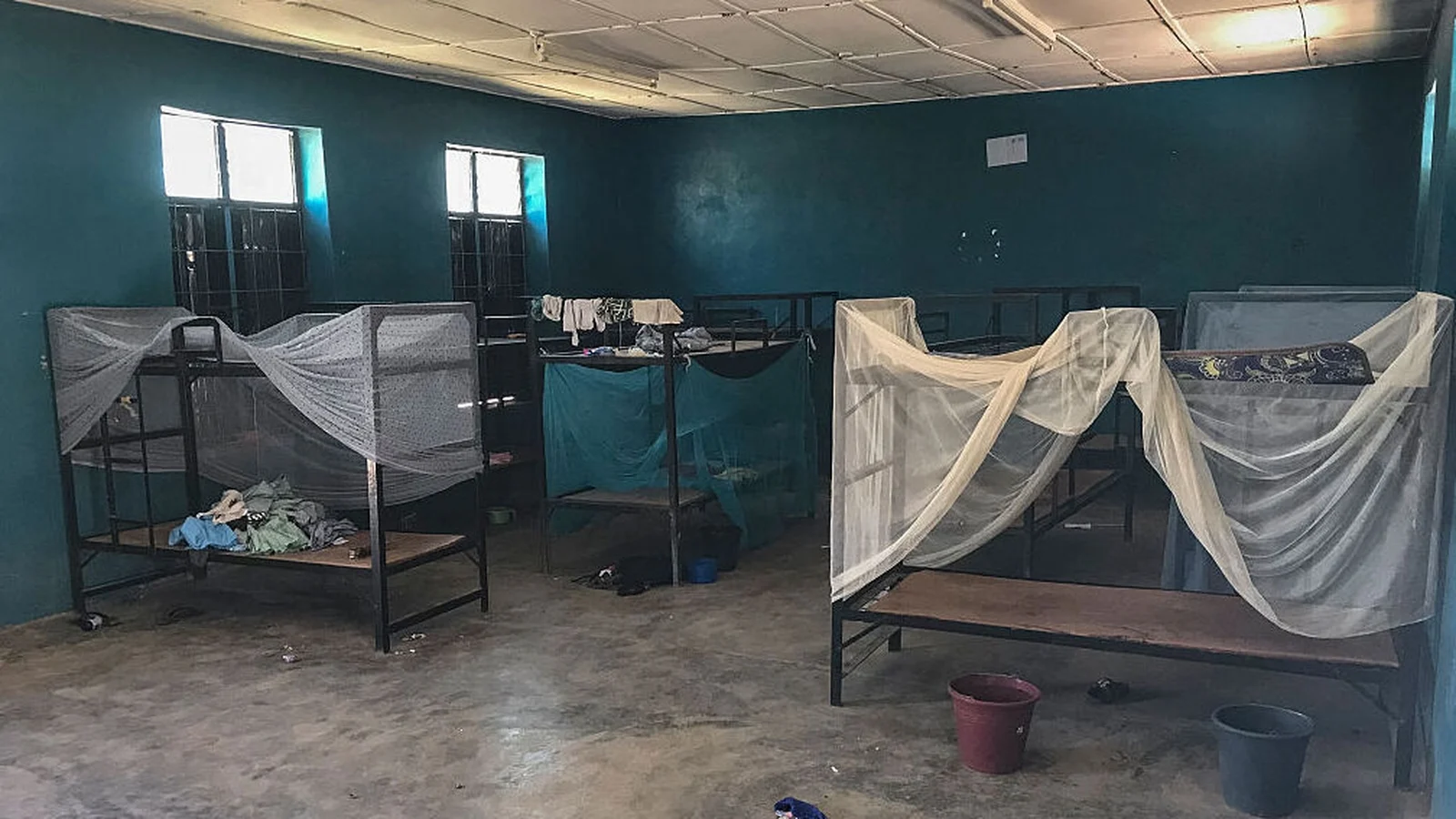
On Tuesday, the hush broke. Local officials announced that 100 children, survivors of a mass abduction that stunned Nigeria last month, had been freed and returned to their communities. It was a relief so sudden it felt almost unreal to those who had lived in the slow-motion panic that followed the raid on St Mary’s Catholic boarding school.
Numbers that Refuse to Fit
The Christian Association of Nigeria had reported that 303 pupils and 12 staff were seized on 21 November when gunmen stormed the peaceful hamlet. Fifty children escaped in the immediate chaos; the rest were carried off into nights that stretched longer than any parent should know.
Now, with 100 children back home and some of the others still unaccounted for, the arithmetic of trauma is painfully incomplete. Who is still missing? In what condition? At what cost were the released children returned? Answers arrive in fragments, through terse government briefings, the quiet urgency of clergymen, and the halting, raw testimony of parents.
Voices from Papiri
“I held my breath every minute for thirty days,” said Amaka, a mother whose seven-year-old son managed to escape but barely speaks since the night of the attack. “When they told me some children came back, my legs gave way. Not because we are done. Because for a minute, we could breathe again.”
A local headmaster, who asked not to be named for safety reasons, told me, “These boys and girls have been through something I cannot explain to people who have not sat awake by a kerosene lamp waiting for news. The trauma will need more than a bandage.” His hands trembled as he talked; in his voice were the quiet, exhausted registers of a community stretched thin.
Context: A Pattern of Pain
This kidnapping reopened old wounds across Nigeria — and not only because it echoes the Chibok abductions of 2014, when 276 schoolgirls were taken from their dormitories. Over the last decade, mass abductions of schoolchildren have become a terrifying pattern in parts of northern and central Nigeria, from Kankara and Jangebe to dozens of lesser-known villages.
Experts say the phenomenon is driven by a mix of criminal banditry, weak local governance, and, in some places, extremist activity. Kidnapping for ransom has become an industrial-scale business, and schools — often poorly defended and isolated — are tragic soft targets.
“Kidnappings are now an economy in some regions,” said Dr. Musa Ibrahim, a security analyst based in Abuja. “There is money for ransom, a lack of accountability for attackers, and communities that cannot rely on timely protection. Until you break that chain, these cycles will continue.”
How Negotiations Unfold
Authorities have been characteristically opaque about how the 100 children were released. In situations like these, a few common paths lead to freedom: military operations, negotiated transfers involving community intermediaries, or ransom payments. Each route carries its own moral and strategic complications.
“If the state pays quietly or agents negotiate, the immediate goal is to bring children home — but the longer-term signal might be dangerous,” noted Aisha Bello, a human rights lawyer who has worked with families of abducted children. “Every successful payout can incentivize another raid. Yet what choice do you give desperate parents?”
What the Return Looks Like
Reunions were jagged and full of small miracles. A father interviewed outside the parish hall hugged his son so tightly neighbors cheered — yet when the boy pulled back, his eyes were hollow, his small fingers stained with months of worry.
Medical teams and psychologists are now the first responders, tasked with untangling physical needs from emotional ones. Immunizations, nutrition checks, and sleep routines will be the immediate focus. But the longer, quieter work — helping children learn to trust, to sleep without nightmares, to return to classrooms — can take years.
“We have to be patient and professional,” said one NGO worker coordinating aid in the area. “The safest thing is not always the quickest. Reintegration requires continuity of care and community support.”
Beyond Papiri: The Bigger Picture
What happened in Papiri is local, but it resonates globally. It raises urgent questions about state capacity, the right to education, and how societies protect their most vulnerable. Around the world, schools are supposed to be sanctuaries. When they are violated, it is not just an assault on a building — it is an assault on the idea that childhood should be a time of safety and learning.
Consider the ripple effects: families who lose faith in local schools may pull their children out, driving down future literacy and economic prospects. Teachers and administrators may abandon rural postings. The social fabric that binds neighborhoods frays under repeated terror.
And then there is the politics. Governments are judged not only on their ability to respond to crises but to prevent them. For Nigeria, a nation of more than 200 million people, these events are a test of institutional resilience and moral leadership.
Questions Worth Asking
- What resources are being directed to protect rural schools?
- How will the government and communities address the long-term psychological harm to returned children?
- Are there sustainable strategies to disrupt the kidnapping economy without endangering hostages?
These aren’t simple queries. They require honest debate about security priorities, investment in education, and meaningful accountability for those who attack civilians.
A Fragile Hope
As night fell over Papiri again, the small church bell tolled. Families gathered, not in triumph, but in a cautious congregation of relief and continued worry. A teacher I spoke to said, “We will put the children back in classrooms, but we will also teach them to tell stories — to tell what happened — because silence can be a prison too.”
That line lingered with me. In the smoke of worry and the heat of grief, stories are how communities keep memory from calcifying into resignation. They are also how pressure builds for change.
So what do we want to happen next? Do we demand better protection for schools? Do we push for transparent investigative mechanisms that deter future attacks? Do we support long-term mental health services for these children and their families? Each of those choices carries political cost — and moral urgency.
For the parents who welcomed their children home this week, answers will begin at the local hospital, in the hands of a counselor, and at the doors of whatever school reopens. For the rest of us — readers in distant cities, policymakers with levers of power, citizens of a global village — the question is whether we will allow this to be one more headline before it dwindles back into the endless churn of crisis, or whether its echoes will push for deeper, lasting change.
In Papiri, life has returned but not returned to normal. The children laugh in fits and starts. Mothers sleep with radios on through the night. Fathers patch boards against windows. Hope is complicated and fragile — and for now, it will have to be enough.