Saturday, December 20, 2025
Home Blog Page 131

American gunman ‘fixated’ on the thought of harming children

US shooter 'obsessed' with idea of killing children
Two children were killed in the attack at the Minneapolis church

A Dark Morning at Annunciation: Minnesota’s Heartbreaking School Shooting

It was meant to be a morning of innocence and faith. Students at Annunciation Catholic School, just outside Minneapolis, gathered to celebrate Mass during the first week of classes—a time typically filled with hope, new beginnings, and prayers whispered for a safe school year ahead. Instead, their sanctuary was shattered by a relentless hail of bullets fired through the church’s stained-glass windows.

On a crisp Wednesday morning, 23-year-old Robin Westman unleashed a storm of violence, firing 116 rounds into the congregation. Two children lost their lives. Over a dozen others were wounded. And the community was left reeling, trying to piece together a grim puzzle—and a wounded sense of safety that may never fully return.

The Mind Behind the Madness

Local authorities painted a chilling portrait of Westman—a young man “obsessed” with the idea of killing children. Minneapolis Police Chief Brian O’Hara’s words linger long after the news fades: “It is very clear that this shooter had the intention to terrorize those innocent children.”

What drives someone to such an abyss? Acting U.S. Attorney Joe Thompson shed some light, revealing disturbing videos and writings left behind by Westman. The shooter’s hatred was vast and indiscriminate—he hated “almost every group imaginable,” save for one grim exception: mass murderers. “In short, the shooter appeared to hate all of us,” Thompson said. An observation that sends a cold shiver through the heart of our society.

Investigators have scoured the crime scene, recovering hundreds of pieces of evidence from the church and multiple residences linked to Westman. Yet, frustratingly, no clear motive has emerged—only the unsettling picture of a young man consumed by rage and despair. Surveillance footage showed that he never actually entered the church building, nor saw the children he was firing upon. This detached act of violence suggests a cold, calculated intention to spread terror rather than engage in a personal vendetta.

“We Will Never Hold Him Again”: The Families’ Pain

The human cost is most vividly expressed in the voices of those left behind. Eight-year-old Fletcher Merkel—described by his father Jesse as a boy who “loved his family, fishing, cooking, and any sport he was allowed to play”—was among those killed. “We will never be allowed to hold him, talk to him, play with him and watch him grow into the wonderful young man he was on the path to becoming,” Jesse said through tears outside the church he had known so well.

Ten-year-old Harper Moyski, remembered as “bright and joyful,” was another irreplaceable loss. Her parents, Michael Moyski and Jackie Flavin, expressed the unimaginable grief shared with Harper’s younger sister, whose world has instantly shifted from one of carefree childhood to a reality shaped by sorrow. “Words cannot capture the depth of our pain,” they shared. But in their heartbreak lies a call to action, hoping their daughter’s memory will catalyze meaningful change surrounding gun violence and the unaddressed mental health crisis gripping the nation.

The Community’s Courage and Compassion

The impact was not just physical, but profound and psychological. Fifteen children aged six to fifteen were wounded; three elderly parishioners in their 80s were also injured. One student took a shotgun blast in the back—his body put forward as a shield to protect another child. Martin Scheerer of Hennepin Emergency Medical Services reflected on this miracle of humanity amid horror: “There’s a lot of maybe unrecognized heroes in this event, along with the children who were protecting other children. The teachers were getting shot at. They were protecting the kids.”

At Lynhurst Park and other corners of Minneapolis, neighbors gathered in candlelit vigils, lighting teddies and flowers as tears mingled with prayers. The quiet solidarity of these moments offers some glimmer of hope—a community standing united against the dark tide of violence.

Confronting a National Tragedy

FBI Director Kash Patel labeled the attack “an act of domestic terrorism”—a hate-fueled assault targeting religious groups and political figures, with clear references to calls for violence against former President Donald Trump. Such a statement starkly reminds us how terror, hate, and political vitriol spill dangerously over into real-life carnage.

Minnesota’s Governor Tim Walz deployed state law enforcement to schools and churches, emphasizing an urgent truth: “No child should go to school worried about losing a classmate or gunshots erupting during prayer.”

Gun Control Debates: Hearts Versus Politics

Mayor Jacob Frey, standing before the media with grim resolve, demanded reforms—calling for bans on high-capacity semi-automatic rifles, those fearsome instruments sometimes labeled “assault weapons.” But this call struggles against entrenched political lines and a controversial 2008 Supreme Court ruling that reaffirmed individual gun ownership rights.
“People who say, ‘This is not about guns,’ you gotta be kidding me: this is about guns,” Frey declared passionately. His voice, echoing in the halls of power, captures a frustration shared by many Americans who witness the toll gun violence takes on their communities.

Angela Ferrell-Zabala, leader of Moms Demand Action, echoed the mayor’s sentiments. “A 10-year-old boy had more courage hiding in a church pew while his friend shielded him with his body than I have seen from far too many lawmakers more beholden to a gun lobby than a child.” The moral clarity here is uncomfortable but necessary.

Childhood Shattered—and the Lingering Trauma

For the students who survived, the nightmare has just begun. Eleven-year-old Chloe Francoual’s story is a heartbreaking portrait of trauma’s grip. Her father Vincent recounts how she thought she and her friends would die that day—how, once safe, tears flooded and the family’s home was cloaked in locked doors and drawn curtains. Chloe, once carefree, now refuses to walk the dog alone and wrestles with survivor’s guilt. “She’s just a little girl,” her father said, capturing an urgent and unsettling truth: none of our children should have to endure such fear.

Reflecting on the Broader Crisis: What Does Safety Mean Today?

As global citizens reading this story, what does it say about us when places of worship—the very heart of community and peace—and schools—the cradle of our future—become sites of bloodshed? The shooting at Annunciation is not an isolated incident but part of a grim American tapestry, punctuated by over 450 mass shootings in the U.S. so far this year alone, according to the Gun Violence Archive.

It forces us to confront questions that resonate far beyond Minnesota’s borders:

  • How do we balance individual freedoms and collective safety?
  • What roles do ideology, mental health, and accessibility to weapons play in such tragedies?
  • How do communities—and governments—heal after wounds so deep?
  • And finally, how do we protect our children’s right to grow up in safety and peace?

This tragedy demands more than headlines and hashtags. It calls for empathy, reflection, and action.

In the flickering candlelight vigils around Minneapolis, amid the muffled sobs and whispered prayers, a community silently asks: How many more must we lose before the world listens?

Let us hold those children—Fletcher, Harper, and all the victims—in our hearts, not as statistics, but as living reminders of a future we must fight to protect.

Harris requests EU backing for Lebanon military training operation

Harris seeks EU support for Lebanon army training mission
Simon Harris is seeking support to build up the capacity of the Lebanese Armed Forces

Breathing New Life Into South Lebanon: Ireland’s Bold Proposal to Empower the Lebanese Armed Forces

In the heart of Beirut, where the ancient and the modern collide in a mosaic of culture and complexity, a new chapter may be unfolding—a chapter that echoes with hope, resilience, and international solidarity.

Tánaiste Simon Harris, Ireland’s Minister for Defence and Foreign Affairs, stands at the crossroads of diplomacy and action. Fresh from the somber announcement of the United Nations Interim Force in Lebanon (UNIFIL) scaling back its mission by the end of 2026, Harris is preparing to introduce an ambitious plan that could reshape the landscape of peacekeeping and military cooperation in southern Lebanon.

From Farewell to Fresh Start: A Bold Vision Amidst UNIFIL’s Departure

UNIFIL, the UN peacekeeping force deployed in southern Lebanon since 1978, has been a presence — at times a beacon — in one of the most volatile regions in the world. Its mission, to monitor ceasefires and support Lebanon’s sovereignty, has been critical but, as global geopolitical tides shift, the UN Security Council panel decided on a measured withdrawal.

“It’s with a heavy heart that we see the sun set on UNIFIL operations,” Harris confessed during a recent press engagement. “This mission has been a cornerstone of stability, a testament to courage — especially for the thousands of Irish Defence Forces personnel who have served with valor and deep commitment.”

He reflected on the somber toll with palpable sorrow, “We must never forget the 47 brave Irish men and women who made the ultimate sacrifice, standing tall for peace in a land far from home.”

With the conclusion of UNIFIL’s mandate on the horizon, a vacuum inevitably beckons—a gap not only of boots on the ground but of institutional support for Lebanon’s own forces trying to maintain fragile peace.

The Irish Proposal: A European Model Tailored for Lebanon

Amid this uncertainty, Harris’s proposition is clear, ambitious, and steeped in practical optimism. He suggests that the European Union countries, led by Ireland’s expertise, could come together to establish a new military assistance mission dedicated to training, equipping, and enhancing the capabilities of the Lebanese Armed Forces (LAF).

This concept isn’t born in a vacuum. Ireland’s Defence Forces have long been a trusted partner in international peacekeeping, their experiences ranging from Bosnia to the Mediterranean and most recently, Ukraine.

“What we want for Lebanon mirrors what has been proven effective elsewhere,” Harris explained in Copenhagen, during a summit with fellow defence ministers. “Take the EU Military Assistance Mission in Ukraine—EUMAM—for example. It’s a hands-on, empowered approach where EU partners come together to build local capacity. Why not apply that here?”

Harris’s plan goes beyond idealism; it’s a practical blueprint for empowerment that acknowledges the unique challenges Lebanon faces. Supporting the LAF, a force stretched thin but undeniably the backbone of national sovereignty and security, could provide stability amid the complex weave of local, regional, and global tensions.

Lebanon at a Crossroads: Why This Moment Matters

Lebanon’s story is anything but simple. A country battered by political turmoil, economic meltdown, and social upheaval, it remains a linchpin between the Mediterranean and the wider Middle East. Its southern border, neighbors with Israel—a region often marked by hostility and conflict—stands at the frontier of peace and precarity.

For residents like Sami, a Beirut-based journalist, the idea of EU countries stepping in to train the Lebanese military fuels a mix of hope and caution. “We want peace and security, desperately,” he says. “But we’ve also learned to be skeptical of foreign involvement. The training and support need to respect our sovereignty and our people’s dignity.”

Local cultural fabric amplifies the complexity. Southern Lebanon is a patchwork of communities — Shia and Sunni Muslims, Christians, Druze — each with rich traditions and unique histories. Any international involvement must be sensitive not only to security but to social cohesion.

Empowerment Over Intervention: The EU’s Role in Supporting Sovereignty

Harris’s initiative reflects a growing trend in international peacekeeping—from direct intervention to capacity-building partnerships. This shift recognizes the importance of local ownership. Instead of external forces dominating security, the aim is to enable Lebanese forces to take the reins themselves.

Experts like Dr. Lina Haddad, a Middle East security analyst, applaud this approach. “Training and equipping local forces is sustainable peacebuilding,” she explains. “Long-term stability requires strong institutions that are perceived as legitimate and effective by their own citizens.”

Yet, such missions are not without challenges. Coordination among EU nations, managing political sensitivities, and navigating Lebanon’s fragile political landscape will test the initiative’s resolve.

What If This Model Propels a New Era of Peacekeeping?

Imagine a southern Lebanon where the LAF, equipped with seamless training and modern capabilities, secures borders and builds trust in the communities they serve. Picture Irish and European trainers standing alongside Lebanese soldiers — sharing skills, stories, and solidarity — illuminating a path through the shadows of conflict.

Could this be a blueprint for other post-conflict regions? As more countries grapple with complex peacekeeping needs, the move from boots-on-the-ground UN missions to collaborative training efforts might redefine global peace operations.

Inviting You into the Story

As we witness diplomacy and humanitarian vision unfold in southern Lebanon, I ask you, dear reader: What does sustainable peace look like on a troubled border? How crucial is it that international actors respect the autonomy and voices of local communities in these missions? And finally, can capacity-building among national armies be the key to long-lasting stability in fragile states?

This initiative, rooted in Ireland’s rich peacekeeping tradition and Europe’s collective responsibility, holds promise—but also asks for patience, empathy, and deep commitment from all involved. For the people of Lebanon, it is more than a mission; it is a hope reborn.

Stay with me as we continue to follow how this unfolding story could redefine the trajectory of peace — not only in Lebanon but across the globe.

Irish woman Gena Heraty freed following abduction in Haiti

Irish woman Gena Heraty released after Haiti kidnapping
'This has been an extremely traumatic episode' for Gena Heraty, the NPH charity said

The Harrowing Ordeal and Triumphant Release: An Irish Humanitarian’s Story from Haiti

In a world often shadowed by turmoil and uncertainty, stories of resilience and compassion can feel like precious beacons. The recent release of Gena Heraty and her fellow captives in Haiti is one such tale—a narrative of courage, hope, and the tireless pursuit of safety amid a landscape marred by violence.

Kidnapped in the Heart of Haiti

On the humid morning of August 3rd, an unsettling event unfolded roughly 10 kilometers southeast of Haiti’s capital, Port-au-Prince. Gena Heraty, a woman in her mid-50s hailing from the verdant town of Westport, Co. Mayo, was abducted from the Sainte-Helene orphanage in Kenscoff alongside six colleagues and a child. For weeks, their fate hung precariously in the balance, a traumatic blip that rippled far beyond the borders of this small Caribbean nation.

Gena is no ordinary visitor to Haiti. She is a guardian angel for the most vulnerable—overseeing the daily lives and welfare of children at Sainte-Helene orphanage, under the banner of the humanitarian organization Nos Petits Frères et Soeurs (Our Little Brothers and Sisters). Her commitment is a vivid testament to the centuries-old tradition of Irish missionaries and humanitarians who have dedicated their lives to the poorest and most marginalized communities across the globe.

Her abduction, therefore, was more than a personal tragedy—it was a jarring reminder of the ongoing, often overlooked crisis of armed violence gripping Haiti. For many in the West, Haiti’s struggles might seem distant, yet this incident painfully underscores the fragility of those on the frontlines of humanitarian work.

A Global Response Rooted in Community and Solidarity

The response to Gena’s kidnapping was immediate and multifaceted. Her family’s heartfelt statement after her release spoke volumes about the collective effort behind the scenes. “We are relieved beyond words,” they said. “So deeply grateful to everyone, in Haiti and internationally, who has worked tirelessly over these terrible weeks to help secure their safe return.”

Support came flooding in—not just from governments, but from communities, friends, neighbors, colleagues, and strangers galvanized by empathy. Irish Tánaiste Simon Harris and his team at the Department of Foreign Affairs played a crucial role, alongside the indomitable Irish Ambassador to the US, Geraldine Byrne Nason.

Harris expressed his gratitude openly, a mix of relief and recognition illuminating his words: “This has been an extraordinarily difficult and stressful situation for the Heraty family… Gena is a respected humanitarian and deeply courageous person who has dedicated her life to supporting the most vulnerable people in Haiti.”

The message resonated globally: humanitarianism often means standing in harm’s way for those who have no voice. It’s a reminder, too, that behind every headline lies a mosaic of human stories filled with complexity and courage.

The Human Toll: Trauma Beyond Headlines

For Gena and the others, the weeks in captivity were an unthinkable trial. The NPH charity, which oversees the orphanage, delicately described the episode as “extremely traumatic” for all involved. Now safely reunited with their loved ones, the priority shifts to healing—physical, emotional, and psychological.

A spokesperson from NPH asked for privacy, underscoring how scars from such ordeals are often invisible but no less real. “We kindly ask that the privacy of all individuals and their families be respected at this time, allowing them space to recover,” they said.

Haiti itself continues to grapple with a broader humanitarian crisis. According to the United Nations, more than 4.4 million Haitians—roughly 40% of the population—are in need of humanitarian assistance, driven by poverty, food insecurity, political instability, and persistent gang violence exacerbating daily life. Against this backdrop, the courage and dedication of humanitarian workers like Gena become even more poignant.

Looking Forward: Healing and Hope in a Fractured Land

With Gena’s release, the closures imposed on vital community institutions like St Damien Pediatric Hospital and St Luke Hospital are now lifting. Their reopening signals a cautious return to some semblance of normalcy, a critical lifeline for the families relying on these services.

Yet, the shadow of instability looms large. Haiti’s struggles are a stark reminder of the fragility of peace and security in regions wrestling with entrenched structural challenges. The delicate balance between hope and hardship is navigated daily by those who, like Gena, choose to stay and make a difference.

What Can We Learn From This?

Perhaps the most profound lesson from Gena’s story—the intersection of personal courage and systemic complexity—is an invitation to reflect on the global responsibility we share. How often do we acknowledge the risks shouldered by humanitarian workers? How can the international community more effectively protect those working at the frontlines in conflict-ridden zones?

Her release invites us not only to celebrate survival but to deepen our commitment to peace, safety, and dignity for all. For those who live and breathe hope into communities like Kenscoff, this moment is bittersweet—a victory tinged with the knowledge of ongoing struggles.

A Tribute to the Human Spirit

In the words of Gena’s family: “We continue to hold Haiti in our hearts and hope for peace and safety for all those who are affected by the ongoing armed violence and insecurity.”

This story is more than a news item; it’s a canvas painted with resilience, solidarity, and humanity’s unyielding spirit. It’s a potent reminder that sometimes, the brightest lights emerge from the darkest corners.

Dear reader, next time you hear of a crisis halfway across the globe, remember Gena’s story—the Irish woman quietly defying danger to nurture hope in Haiti. And ask yourself: in what ways can we stand with those who stand for others?

Trump ‘unhappy’ as Russian attacks cause 21 deaths in Kyiv

Trump 'not happy' as Russian strikes kill 21 in Kyiv
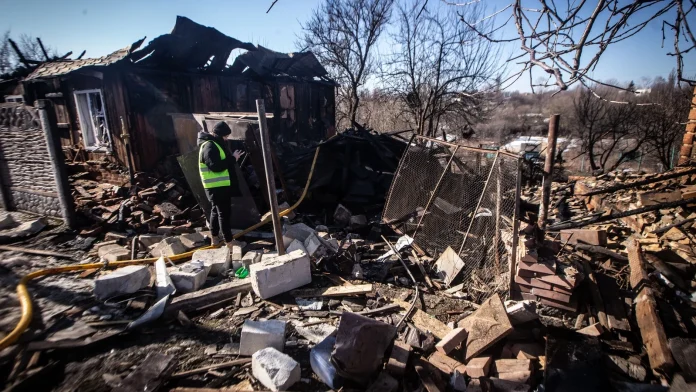
Rescuers are seen at a residential building in the Darnytskyi district following this morning's strikes

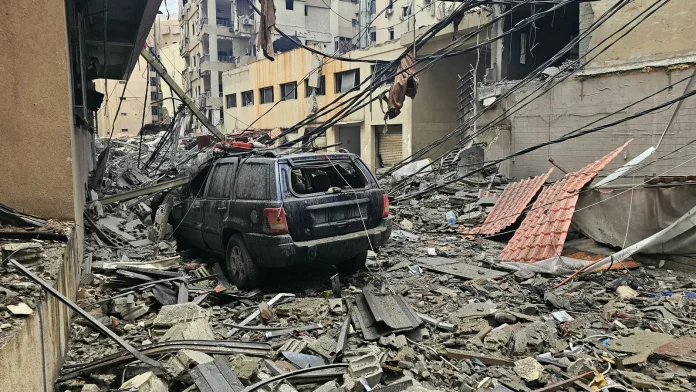
A City Under Siege: Kyiv Faces a Relentless Night of Missile and Drone Attacks

As dawn’s pale light struggled to break over Kyiv this morning, the city’s skyline was marred not by the soft hues of sunrise, but by plumes of black smoke and the harsh aftershocks of deadly missiles. Around 4 a.m., Russia unleashed a sweeping, devastating assault on Ukraine’s capital—an attack marked by missiles and drone strikes that penetrated deep into civilian life, fracturing any fragile hopes for peace. At least 21 lives were lost, according to city officials, and scores more were wounded. Buildings across every district bore scars from this relentless barrage, as the city was reminded in the cruelest way that the war remains as brutal and unforgiving as ever.

The Human Toll and the Echoes of War

The devastation was palpable in the streets that morning. Vitali Klitschko, the mayor of Kyiv and a towering symbol of Ukrainian resilience, spoke somberly: “This assault ranks among the largest we have faced in recent months. It was not only a military attack—it was an assault on our people’s spirit.” The echoes of explosions reverberated under the clouds as drone shadows wove through the sky, haunting and unrelenting.

Among those injured was a rescuer resting briefly with her service dog, a poignant image highlighting the human side of defense efforts amid rubble and ruin. Here, in the rubble-strewn streets of Kyiv, lives break and mend with a frequency few can fathom. Ordinary citizens walk a tightrope between hope and despair, embodying the willpower that refuses to bend beneath the fires of conflict.

Peace Efforts Shattered: The Diplomatic Fallout

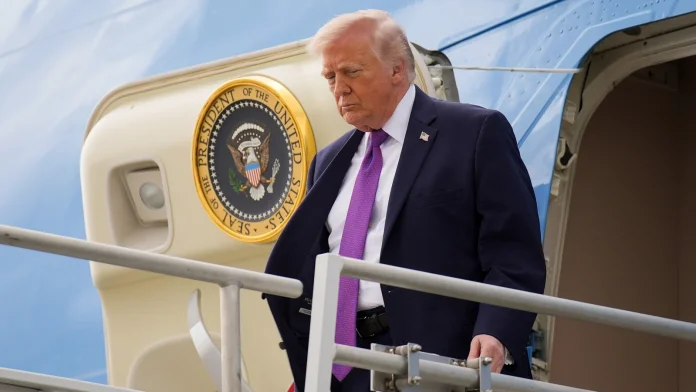
In the backdrop of this violence, a cruel irony unfolded. Less than two weeks ago, the world’s eyes turned to Alaska, where US President Donald Trump hoped to prod Russian President Vladimir Putin toward peace. That fragile promise is now shattered by the ruthlessness of this strike. Karoline Leavitt, White House press secretary, reflected on Trump’s reaction: “He was not happy about this news but not surprised either. For more than three and a half years, these countries have been at war, and Moscow’s actions today undermine efforts for peace.”

For those observing from afar, it is a stark reminder that war rarely abides by diplomatic calendars or summit agreements. It is messy, stubborn, and often indifferent to the frameworks mankind constructs to end it.

Targeting Civilians: A Blatant Strategy

The choice of targets in this strike shattered any illusion that this was a conventional military operation. Keith Kellogg, the US special envoy on Ukraine, condemned the attacks sharply: “The targets were not soldiers or weapons but homes, civilian trains, the EU & British mission council offices—innocent civilians.” It’s an indictment not only of the immediate violence but of the strategic cruelty that seeks to erode morale by sowing death in places meant to be safe.

The European Union and the United Kingdom wasted no time condemning Moscow’s actions. Both summoned Russian envoys in protest. While no casualties were reported at the EU and British mission offices, the damage was clear. The attack also hit a Turkish business and even damaged the Azerbaijan embassy, underscoring the broader geopolitical stakes and the far-reaching ripples of this conflict.

Insights from Kyiv and Beyond

Walking through Kyiv, one might overhear hushed conversations in local cafés about life before and after the strikes. Marina, a schoolteacher who was caught in the chaos during the strikes, said, “You never forget the sound the sky makes when it’s filled with missiles. It’s not just noise—it is the sound of terror and loss.” Her story is echoed by many—people whose lives are forever altered by the relentless proximity of war.

Yet, in the midst of heartbreak, there is fierce pride and unyielding defiance. “We will rebuild,” declared Kostya, a volunteer helping clear debris near the damaged EU offices. “Every stone here is a promise that Ukraine will stand tall.”

Political Responses: Words Amidst the Ruins

President Volodymyr Zelensky took to the social platform X to express his outrage, calling the strikes “Russia’s answer to diplomatic efforts to end this war.” He lashed out at Moscow, urging new sanctions and international solidarity. “Russia chooses ballistics over negotiation,” he said. “It prefers killing over peace.”

His backing came from EU Commission President Ursula von der Leyen, who voiced the European Union’s resolve: “The Kremlin is terrorizing Ukraine, targeting civilians, and even striking the European Union itself.” She announced an impending 19th sanctions package designed to cut deeper into Russia’s war machinery, highlighting efforts to freeze Russian assets and redirect them toward aiding Ukraine’s recovery.

British Prime Minister Keir Starmer echoed this condemnation in a terse message: “Putin kills children and civilians, sabotaging the glimmers of peace we all hope for.” His words, though brief, conveyed the exasperation and moral clarity shared by many leaders across the world.

The Stark Reality of Defense

Ukraine’s military reported that its air defenses thwarted an astonishing number of these attacks, shooting down 563 drones and 26 missiles out of nearly 600 launched nationwide during the attacks. Conversely, Russian air defenses claimed to have destroyed over 100 Ukrainian drones in multiple regions overnight—an unrelenting, dangerous game of cat and mouse playing out across the skies of Eastern Europe.

Ukraine’s retaliatory measures included drone strikes on significant Russian oil refineries, underscoring the tit-for-tat nature of this conflict, where each side’s attacks ripple across not just the battlefield but the global energy markets and the lives of millions beyond their borders.

Reflecting on the Global Stakes

As you read this, somewhere in a cozy living room far from the battlegrounds of Eastern Europe, a family debates the meaning of peace, the price of war, and their role in a world where missiles decide the fate of cities thousands of miles away. What responsibility do we carry as global citizens? Can international diplomacy overcome the destructive force of warfare’s reality?

The conflict in Ukraine is more than a localized struggle—it’s a mirror reflecting global fractures, where power, sovereignty, and humanity collide. It challenges us to ask difficult questions about security, international law, and the human cost hiding behind military statistics.

Will peace come not just from diplomacy, but from unyielding international solidarity and sustained pressure on those who choose violence over dialogue? Only time will tell.

Closing Thoughts

Kyiv’s morning was shattered—shattered by missiles, by fear, and by loss. Yet beneath the rubble, beneath the enraged skies, the heartbeat of a resilient city and a defiant nation pulses stronger than ever. Amid shattered windows and smoldering ruins, Ukrainians stand firm, carrying the weight of war on their shoulders with a courage that can’t be measured in headlines or casualty figures.

As you close this post, I invite you to reflect: what would your life be like if a missile strike was a constant possibility every morning you woke up? How do we, as a global community, transform empathy into action for peace? The story of Kyiv is not just one of destruction—it is a call to awareness, to compassion, and ultimately, to hope.

UN food agency warns Gaza is nearing a critical crisis point

Gaza at 'breaking point' says UN food agency
A little boy cries as people try to get rice from a charity kitchen west of Gaza City

Gaza on the Edge: Inside the Unfolding Humanitarian Crisis

Imagine a place where hunger is not just a quiet pang but a relentless roar shaking families to their core. It’s where the air hangs heavy with despair, and every morsel of food is a battle won—often at the cost of dignity, health, and hope. This is Gaza today, as revealed by the urgent voices of those on the ground, bearing witness to an unfolding catastrophe that has pushed this beleaguered strip of land to “breaking point.”

Last week, a stark declaration rang out from the United Nations: Gaza, home to over two million Palestinians, has officially entered a state of famine. This isn’t just a crisis of numbers or statistics—it’s a human tragedy playing out in real time, in neighborhoods scarred by conflict and resilience alike.

Walking Through the Crisis: A Journey With Cindy McCain

Cindy McCain, head of the United Nations World Food Programme (WFP), recently visited Gaza to survey the devastation up close. Traveling to neighborhoods like Khan Younis and Deir el-Balah, she stepped into clinics where malnourished children are clinging to life, and met displaced mothers whose eyes tell stories of heartbreak and endless struggle.

“I saw children who once radiated health—smiling and full of life—now reduced to fragile shadows,” McCain recounted. “Their photos tell the story better than words ever could. It’s a portrait of desperation.”

Her plea is urgent: the WFP’s network of 200 food distribution points, community kitchens, and local bakeries must be revitalized immediately to reach the most vulnerable. Without an operational humanitarian corridor, countless families will continue to starve, caught in the crossfire of politics and war.

“Enough is enough,” she says, her voice heavy with both frustration and resolve. “We need unrestricted access to deliver food because every day without it is a step closer to irreversible tragedy.”

Behind the Numbers: The Harsh Reality of Famine

Statistics attempt to make sense of chaos, but behind every number lies a human story. According to the Gaza health ministry, more than 62,000 Palestinians have died since the latest hostilities erupted, with a majority being civilians. Contrast that with Israeli sources which report 1,219 deaths—also mostly civilians—stemming from the initial Hamas attack that ignited the conflict. These numbers underscore the scale, but not the depth, of loss suffered on both sides.

The UN’s famine declaration was met with dismissal by Israeli officials, branding the claims as “fabricated.” Yet testimonies from humanitarian workers and residents paint another narrative: children with hollow eyes, families scavenging scraps, and aid lines becoming scenes of both hope and fear.

The Human Toll of Blockades and Bombardments

The blockade of Gaza, tightened over many years, has throttled supplies of food and medicine, turning the territory into one of the world’s most fragile humanitarian zones. The ongoing strikes and military operations have wreaked havoc on infrastructure, including the destruction of bakeries and community kitchens that once served as lifelines for many.

This systematic obstruction of aid has led to mounting hunger—one that could spiral into long-term famine unless immediate relief measures reach the ground.

A Dangerous Intersection: Aid, Politics, and Human Rights

During her visit, McCain met with Israeli Prime Minister Benjamin Netanyahu and Palestinian Prime Minister Mohammad Mustafa, pressing for a ceasefire and a humanitarian corridor to facilitate the “surge of food assistance” that Gaza so desperately needs.

Her empathy extends to both sides of the conflict: “My heart goes out to mothers in Gaza, watching their children starve, and to Israeli mothers enduring the anguish of hostages taken in this war,” McCain said somberly. In such landscapes of grief, the shared humanity on both sides quietly underscores the urgency of peace.

The Shadow of Enforced Disappearances

But beyond famine, an alarming human rights dimension adds weight to the crisis. United Nations rights experts have raised the alarm over reports of “enforced disappearances”—Palestinians, including children, vanishing after seeking food from aid distribution centers managed by the Gaza Humanitarian Foundation.

“We have credible information that some individuals have been forcibly taken after visiting aid sites in Rafah,” said one independent expert. “It is a heinous crime that violates basic human rights and the sanctity of humanitarian assistance.”

Reports implicate Israeli military involvement, adding another layer of complexity—and urgency—to calls for protection of civilians and aid workers alike.

Life Amid the Ruins: Voices From Gaza

Ahmed, a father of four from Khan Younis, shared with me the daily struggle: “Each day, I worry if there will be enough bread—or any bread at all. My children’s stomachs churn with hunger; sometimes we have to choose who eats and who waits.” His words echo across countless households, underscoring the brutal arithmetic forced on families.

Fatima, a mother in Deir el-Balah, fights back tears describing the clinic she visits with her malnourished child. “We cling to the hope that food will come. But hope is fragile when there is nothing in your kitchen.”

Global Reflections: What Gaza’s Famine Teaches Us

As you absorb these stories, I invite you to reflect: What responsibility does the international community bear when millions face starvation amid conflict? How can global powers intervene to protect human life beyond the politics that so often stall meaningful action?

Gaza’s plight is a vivid reminder of the human cost of prolonged warfare and blockade. It is a cry that poverty and hunger are weapons wielded alongside guns and bombs—and that innocent civilians pay the steepest price.

The world’s response—to mobilize aid, champion ceasefires, uphold human rights—cannot wait. For behind every statistic lies a mother’s trembling hand and a child’s fading smile, struggling desperately to survive another day.

Where Do We Go From Here?

The road ahead remains daunting. But in these moments, the power of storytelling—of empathy and awareness—can shine light on the darkest of places. That’s why voices like Cindy McCain’s matter, why the warnings of experts resonate, and why sharing stories of lives in Gaza can remind us all of our shared humanity.

Will the world listen? Will hunger and hope collide into action before the breaking point is crossed irreparably? These are questions that demand more than answers—they require a collective will to act and to care.

As you close this page, carry the stories of Gaza in your thoughts—and ask: if we look away now, what will history remember us for?

New Zealand police report that CCTV footage reveals father has been evading capture for four years

NZ police say CCTV shows father on the run for four years

The Elusive Fugitive Father: A Tale Unfolding in New Zealand’s Waikato Hills

Nearly four years have passed since Tom Phillips vanished with his three children, sparking one of the most enduring and poignant manhunts in New Zealand’s recent memory. Now, a new flicker of hope emerges from the misty green hills of the Waikato region, as police release fresh images that might finally bring this harrowing story into sharper focus.

Disappearance in the Shadows of the Waikato

In December 2021, amid the quiet calm of New Zealand’s North Island, a family drama unraveled behind closed doors — a row between Tom Phillips and his former partner erupted into a desperate move that set the country’s law enforcement on edge. Phillips took his three children—Jayda, Maverick, and Ember—and disappeared into the rolling pastures and dense bushlands of Waikato, a region known for its stark beauty and rugged terrain.

Imagine the eerie silence broken only by the crunch of leaves and the distant call of birds, as a father and his children slip away from the world that once was their home. It’s a place that, for four years, has held secrets, where whispers of a fugitive have long blended with the wind.

New Clues From the Night

Just last Wednesday, police unveiled haunting CCTV footage that may be the first solid sighting of Phillips since a pig-hunting video surfaced in late 2024. Two shadowy figures emerge on camera: a taller individual cloaked in dark garments, accompanied by a smaller companion in camouflage garb, both with flashlight headlamps piercing the night.

Detective Senior Sergeant Andy Saunders described the scene candidly at a recent press briefing. “We believe the pair in this footage are Tom and one of his children,” he shared, the weight of years of searching clear in his voice. The duo spent 13 minutes outside a local store, darting in and out on a quad bike, before apparently using a power tool to break into a refrigerated container. They left with stolen groceries — a small survival act in their shadowed existence.

Such footage cracks open the silent narrative that has long surrounded Phillips’ whereabouts. From the quiet town of Marokopa to secretive footholds peppered across Waikato’s hill country, the story has gripped the nation with a mix of concern and curiosity.

Children Lost in Time: The Human Heart of the Search

Who are Jayda, now 12, Maverick, 10, and Ember, 9? They are not just missing children—they are young souls caught in a restless odyssey, snatched from school and normalcy, vanished into isolated wilderness with their father as protector and fugitive alike. Their absence is felt deeply in local communities, schools, and homes.

“Every day away from home shapes them differently,” said local teacher Anna Te Rangi, who has followed the case closely. “These children haven’t sat in a classroom in years. That’s lost time for growing up and learning how to live in the world. It’s heartbreaking.”

Their father’s actions, though born from conflict, leave an indelible emotional rift — a complex web of love, fear, and survival. And amidst it all, the police tread carefully, aware that any reckless move could endanger these young lives even further.

Justice Complicated by Compassion

Phillips is not a man without a dark side in the eyes of the law. Wanted for serious offences including aggravated robbery, aggravated wounding, and unlawful possession of a firearm, his shadow stretches over several unresolved crimes.

Yet police have taken a measured approach. “This will take as long as it takes,” Detective Saunders emphasized. “Our focus is on bringing those kids out safely. We’re not going to get into a confrontation situation.”

It’s a rare, delicate balancing act — upholding the law while prioritizing the vulnerable children caught in the eye of this storm. His continued evasion is believed to be aided by local sympathizers, thick bush cover, and sheer cunning. In rural areas where community ties run deep, the question lingers: How does one root out a man who knows his terrain as intimately as a native bird knows the forest?

Waikato’s Wide Embrace: Land, Culture, and Community

Waikato, with its undulating hills, dense native forest, and sprawling farmland, casts a spell that’s as serene as it is wild. The land is steeped in Māori heritage, where stories of guardianship and belonging run through the very soil.

“This area is not just a backdrop — it shapes how people live and think,” explains cultural historian Mereana Kepa. “Families here have strong connections to the land. It can provide sanctuary, but it also makes policing and peacekeeping complex.”

Marokopa, a tiny coastal township near Phillips’ suspected whereabouts, embodies this duality. With a population shy of a thousand people, it’s a community where everyone knows your name and your business, yet the tangled bushlands nearby offer concealed refuges.

One local, farmer Hank Morino, shared with a sigh, “We want justice here. But we also want to understand. You can’t just think of these things as black and white.”

Questions to Ponder: What Is Safety, and Whose Safety?

As you read this, perhaps you wonder about the meaning of safety—not just in terms of law and order, but in the fragile places where family, justice, and love collide. How do societies balance protecting their young while recognizing the desperate acts of those who break the law to protect their own?

This story is a microcosm of larger global struggles:

  • Parenthood versus legality: When care crosses into defiance.
  • Isolation versus community: How remote landscapes can harbor secrets.
  • Justice versus mercy: Can compassion find space in law enforcement?

These are challenges that resonate beyond New Zealand’s shores, touching the pulse of humanity everywhere.

Looking Ahead: The Hunt Continues

Tom Phillips remains at large, his trail peppered with signs of endurance and evasion. But with every new image, every fresh piece of evidence, the net tightens—slowly, painstakingly but with resolute purpose.

“The dawn feels closer,” mused Detective Saunders. “We keep searching not because it’s easy, but because those kids deserve a future.”

For the citizens of New Zealand, for the community of Marokopa, and for all who have followed their story: the quest is more than a police matter—it’s a profound plea to reunite a fractured family, restore childhoods paused, and ultimately, to heal.

As you step back from this narrative, consider how often quiet battles unfold beneath the surface of serene landscapes. How many families bear invisible scars? And how, in an imperfect world, do we find hope amid uncertainty?

Stay tuned, because sometimes the longest chases reveal the deepest truths.

Zelensky Calls for Increased Pressure on Putin Following Kyiv Assault

Zelensky urges more pressure on Putin after Kyiv attack
Russian attacks on Ukraine's capital Kyiv killed 23 people yesterday

A Night of Fire and Fury: Kyiv’s Harrowing Ordeal and Zelensky’s Plea to the World

On a cold night in Kyiv, the Ukrainian capital bore the weight of war unlike any other recent memory. Missiles screamed through the sky, shattering the fragile calm that thousands of families cherish each evening. Amid the fury, at least 23 lives were mercilessly extinguished in one of the deadliest attacks since the conflict erupted in February 2022. Children, parents, and neighbors—people going about their lives—became unwilling victims of a relentless war.

This was no ordinary strike. A five-story apartment building was reduced to a cratered shell; windows exploded outward, glass raining like shards of broken dreams. The streets echoed with screams and sirens as rescuers clawed through the rubble searching for survivors. It’s a scene too familiar by now, yet every time, it heartbreakingly renews our sense of the human toll of this protracted conflict.

President Zelensky’s Urgent Call: A Plea for Unity and Strength

From his address to a virtual assembly of European leaders—including those from Poland, Lithuania, Latvia, Estonia, and Denmark—Ukraine’s President Volodymyr Zelensky delivered a message both urgent and unequivocal. “Putin has not done what he promised,” Zelensky declared, his voice heavy with fatigue but underscored by fierce resolve. “It is time to move. We need a strong, joint signal from the world’s leaders to bring the Russian president to the negotiating table.”

There is an unmistakable pain in Zelensky’s words, but equally a strategic clarity: diplomacy can no longer be a stuttering dance. “Only at the level of leaders can the war truly be ended,” he insisted, imploring Europe not to miss this critical juncture. The war in Ukraine, he reminded the international community, is not merely a regional conflict—it is a test of global solidarity.

The Scale of Destruction: A City Under Siege

On that fateful night, Russian forces unleashed an assault of daunting magnitude. According to Ukraine’s Air Force, Moscow fired 629 drones and missiles during a barrage that AFP has analyzed as the war’s second-largest overnight strike. Targets included not just residential apartments but cultural landmarks and media offices—symbols of Ukraine’s heart and voice.

The European Union’s mission in Kyiv sustained significant damage, its windows shattered and ceilings crumbled. The British Council, a beacon of cultural exchange and education, shared a similar fate. The world watched, many protesting Moscow’s seeming disregard for civilian life and international institutions.

From the streets, Viktoria, a young Kyiv resident who found herself amid the blast, recounted in trembling words: “Glass was flying everywhere. The sound was deafening. It was like the world was ending right in front of my eyes. We screamed, prayed, and held each other tight.”

Global Reactions: From Condemnations to Cold Calls for Peace

Across Europe and beyond, world leaders reacted swiftly and with uncharacteristic unity. French President Emmanuel Macron condemned the attacks as “terror and barbarism,” his words cutting through the fog of diplomatic clichés. “This is Russia’s idea of peace,” he tweeted, wrapping both sarcasm and sorrow into a single, stinging phrase.

British Prime Minister Keir Starmer accused Vladimir Putin of deliberately “sabotaging hopes of peace.” Meanwhile, Germany’s Chancellor Friedrich Merz spoke of Russia revealing “its true face” through this act of violence.

Even as condemnations rang out, a persistent reality shadowed discussions: Moscow’s intent to continue its military campaign unabated. Kremlin spokesman Dmitry Peskov reiterated grimly that Russian forces were fulfilling their military objectives, targeting “military and military-adjacent infrastructure”—an assertion starkly contradicted by the destruction wrought on civilian buildings.

Diplomacy in the Shadow of War: Can Talks Still Prevail?

The fragile threads of diplomacy have been fraying for months. In recent weeks, Russian President Vladimir Putin declined invitations to meet Zelensky, rebuffing ceasefire proposals from multiple fronts, including from U.S. former President Donald Trump himself. Meanwhile, Moscow’s terms for peace remain steep, demanding Ukraine relinquish territory and reject Western military aid—ultimatums Kyiv emphatically rejects.

Charles Kushner, U.S. ambassador to France, criticized European efforts in a recent interview, stating, “While Europeans have accomplished little to bring peace, former President Trump has made tangible progress.” Such comments underscore the tangled nexus of diplomacy, politics, and personality that complicate what should be straightforward efforts to halt bloodshed.

Ukraine, for its part, insists on firm guarantees before any agreement, including the deployment of Western troops on its soil. A request that sends ripples throughout international capitals, as Moscow steadfastly opposes any Western military presence near its borders.

The War Beyond Kyiv: Growing Fronts and Silent Victims

While Kyiv reels, other regions are also suffering under the strain of conflict. In the Dnipropetrovsk region—once considered relatively insulated from frontline fighting—two civilians were killed in Russian strikes. The admission by Ukrainian authorities that Russian forces have entered areas previously deemed safe sends a chilling message: no part of Ukraine is beyond the war’s reach.

This region, a central administrative hub, has witnessed incremental incursions since July, marking a troubling shift in the conflict’s geography. Sergiy Lysak, head of the regional military administration, conveyed somber condolences via Telegram to families of the victims, reminding us of the countless private tragedies that underpin public statistics.

A Moment for Reflection: What Does Peace Demand From Us?

So, dear reader, as you unpack this harrowing chapter from thousands of miles away, what do you see? Is this simply a distant war, another headline among many? Or is it a shared human crisis, demanding solidarity, action, and above all—moral reckoning?

Beyond the rubble and rhetoric lies an unmistakable truth: wars do not live in isolation. They ripple outward, challenging our global values, testing alliances, and forcing us to confront uncomfortable questions about power, justice, and the sanctity of life.

When President Zelensky urges a “strong joint signal” from leaders worldwide, he speaks not just to policymakers but to every concerned citizen. Are we prepared to support that bold signal? To stand resolutely with a nation fighting for survival and sovereignty? And what must we all learn before the cost becomes too high to bear?

Final Thoughts: The Quiet Courage of Kyiv

As dawn breaks over Kyiv’s battered skyline, ordinary Ukrainians rise with a resilience that defies destruction. Children play amid the echoes of past explosions. Families rebuild shattered homes and forge ahead with a quiet courage that is as inspiring as it is heartbreaking.

The story of this city—and this nation—is still being written.

In the quiet, between the gunfire and the rubble, the possibility of peace lingers like a fragile ember. It is up to the world, and to each of us, to nurture that ember until it can blaze as a beacon of hope, not a reminder of loss.

Israel oo sheegatay iney duqeyn ku dishay ra’iisul wasaaraha Xuutitiinta

Aug 29 (Jowhar)-Warbaahinta Yemen ayaa saaka ku warantay in duqeyn lagu dilay ra’iisul wasaaraha Xuutiyiinta ,duqeynta oo ka dhacday caasimadda Sanca waxaa fulisay isra|l.

Trump meets with Blair and Kushner to discuss Gaza

Trump holds Gaza meeting with Blair, Kushner
Smoke rises over residential areas after Israeli army attacks on ez-Zeytun neighborhood in Gaza City

Inside the War Room: Trump, Blair, and Kushner’s Controversial Vision for Gaza’s Future

On a brisk day in Washington, a discreet policy meeting brought together some of the most polarizing figures in recent Middle Eastern politics—former U.S. President Donald Trump, Britain’s ex-Prime Minister Tony Blair, and Jared Kushner, Trump’s son-in-law and former Middle East envoy. Their focus? Gaza: its ongoing devastation, the desperate humanitarian crisis, and what might lie beyond the smoke and rubble.

This was no casual conversation. At the heart of the meeting were the harrowing hostage crisis, escalating food insecurity, and the thorny topic of Gaza’s post-war reconstruction. Though a senior White House official downplayed it as “simply a policy meeting,” the stakes were anything but ordinary.

The Players and Their Pasts

Donald Trump, whose second term has been overshadowed by the Gaza conflict, entered this meeting carrying the weight of a broken promise. Back in his campaign days, he vowed a swift end to hostilities. Yet, seven months later, the ceasefire that marked the start of his term shattered—Israeli strikes on March 18 killed nearly 400 Palestinians and unleashed a spiraling cycle of violence.

Tony Blair, never far from controversy, joined the table with the ghosts of Iraq still in tow. Blair’s leadership during the 2003 Iraq invasion received sharp global condemnation, a legacy coloring perceptions of his involvement in Gaza’s future. Alongside him, Jared Kushner, the architect of Trump’s initial Middle East peace gambit, brought with him proposals that have ignited fierce critique.

“When these figures come together, it’s more than just policy—it’s history in the making, or perhaps history repeating itself,” observes Dr. Amina Sahar, a Middle East analyst based in Amman. “They bring decades of experience, but also decades of wisdom questioned.”

Starvation and Sorrow: Gaza’s Harrowing Reality

Outside the polished walls of Washington’s policy rooms, the human toll of the Gaza war unfolds in heartbreaking clarity. Images of starving children—faces hollowed by hunger and eyes searching for relief—have spread across global newsfeeds like wildfire, provoking waves of outrage and grief.

In February, Trump unveiled a staggering and widely condemned proposal: a U.S. takeover of Gaza coupled with the permanent displacement of Palestinian residents. Rights organizations and the United Nations quickly decried the plan as tantamount to “ethnic cleansing,” pointing out that forcible population transfers are prohibited under international law.

“We saw an idea once framed as redevelopment turn into a discussion of forced relocation. That’s not rebuilding—it’s erasing,” says Layla Hasan, a Palestinian rights advocate in Gaza City. “Turning Gaza into a ‘Riviera’ is a fantasy built on the backs of millions who just want to live in their homes.”

The Riviera Mirage

Trump’s vision of Gaza reborn as the “Riviera of the Middle East” echoes Kushner’s previously floated concept to clear the territory of Palestinians and transform it into prime waterfront property. Yet, according to a Financial Times report from July, Tony Blair’s institute appeared to distance itself from these darker undercurrents.

The Tony Blair Institute indicated it had engaged with various groups on Gaza reconstruction but “none have included the idea of forcible relocation of people.” This nuance, however, struggles to quiet concerns that redevelopment plans may disregard the rights and dignity of Gaza’s displaced population.

Diplomatic Conversations and Stark Realities

On another front, the U.S. State Department confirmed Secretary of State Marco Rubio had met Israeli Foreign Minister Gideon Saar to discuss Gaza and broader regional dynamics. When pressed about prospects for a Palestinian state, Saar delivered a blunt answer: none.

This stance contrasts sharply with recent declarations from several U.S. allies who have moved towards recognizing Palestinian sovereignty—a signal that the international community remains sharply divided.

The Toll of War: Numbers That Haunt

Since October 2023, Gaza has borne the brunt of an unprecedented assault. Over 62,000 Palestinians have perished, according to Gaza health authorities—a staggering figure that reflects not only the violence itself but the depth of a growing humanitarian emergency.

The entire population of Gaza has been internally displaced, their homes and streets swallowed by the wreckage of what once was a bustling, vibrant coastal enclave. Hunger and disease stalk the survivors, while accusations of genocide and war crimes weigh heavily on the international conscience. Israel denies these charges but faces mounting scrutiny in global courts.

The conflict’s latest flare-up was ignited by a brutal Hamas attack that killed 1,200 Israelis and took roughly 250 hostages back in October—deep wounds on both sides that have only hardened the spiral of violence.

At the Crossroads of Hope and Despair

What unfolds now is a crucial crossroads—not only for Gaza but for the future contours of peace in one of the world’s most intractable conflicts. Can humanitarian aid scale up fast enough to stem the tide of suffering? Will diplomatic engagement deliver real progress toward a lasting resolution? Or will plans riddled with displacement and redevelopment fantasies deepen the divides?

For the citizens buried beneath these headlines, the questions are heartbreakingly personal: When will their children eat again? When will their homes be safe? When will the world finally heed their cries?

Globally, these dilemmas touch on a series of profound issues: the ethics of intervention, the limits of power in conflict zones, the responsibilities of former leaders, and the urgency of international solidarity. As global citizens, how do we respond when peace feels so elusive, and old scars so raw?

In Washington’s halls or Gaza’s shattered streets, history is being written every day. It’s a story of conflict and courage, despair and determination, death and perhaps—just perhaps—the faintest whisper of hope.

What’s Next?

  • The international community grapples with how to balance sovereignty, humanitarian aid, and long-term peacebuilding.
  • Local voices and Palestinian perspectives must be centered in any post-war reconstruction plan to ensure dignity and rights.
  • Global citizens can push for transparency, accountability, and informed dialogue from their governments and leaders.

So, what do you think? How should the world navigate rebuilding a future for Gaza without repeating the mistakes of the past? Can Washington, Jerusalem, and Ramallah find common ground amid decades of mistrust? Your thoughts and reflections matter as this saga continues to unfold.

What is the new tax policy for shipments sent to the US?

What's the tax change for parcels being sent to the US?
Goods shipped through the postal system to the US from Ireland worth over €85 face a 15% tariff

The End of a Global Shipping Sweet Spot: How New US Tariffs Are Reshaping the Parcel Landscape

Imagine ordering a cozy Aran wool jumper from Ireland for a loved one in America, only to discover that what was once a seamless gift now comes with an unexpected 15% tax slapped on top. For decades, a quiet but impactful rule allowed parcels valued under $800 — about €685 — to cross the Atlantic without tariffs, fostering connections and commerce between Europe and the United States. But as of this month, that era has ended.

This is more than just a small bureaucratic adjustment. It’s a shift rippling across family relationships, small businesses, and international commerce alike. Let’s pull back the curtain on what this change means, why it matters, and how it echoes broader global dynamics.

A Quiet Transformation That Hits Home

From today, packages posted from Europe to the US valued over $800 will no longer enjoy their tax-free ride. And that’s not all — smaller letters, documents, and gifts under $100 (roughly €85) remain exempt, but anything above that gets hit with a 15% tariff. So, sending that special gift — say, an Irish jersey or handcrafted goods — becomes more complicated and expensive for recipients in America.

An Post, Ireland’s national postal service, reassures customers that despite this tax imposition enforced by the US government, their parcel services remain operational. “We’re committed to maintaining those connections, no matter the hurdles,” says Garrett Bridgeman, An Post’s Managing Director of Mails and Parcels.

But the reality is complicated, and many small businesses and individuals will feel the pinch.

Behind the Scenes: An Post’s Adaptation

Garrett Bridgeman points out a silver lining: “99% of the gifts sent to the US are under $100, so for personal parcels, the impact is limited.” Yet, the real ripple effect is among businesses trading online with US customers, forced now to reckon with the new tariffs.

Drawing on An Post’s post-Brexit experience, the postal service has rolled out new systems to handle customs clearance and tariff collection efficiently. When an American customer orders a product exceeding the threshold, they receive notifications from An Post with reminders, and the duty payment must be cleared within five days. Failing that, the parcel is sent back to the sender.

It’s a pragmatic approach, but the financial and logistical headaches for businesses are undeniable.

On the Ground: Small Businesses and Clubs Feel the Squeeze

Take the story of Bohemians Football Club in Dublin. Known not just for their sportsmanship but for community connections and charitable collaborations embodied in their jersey sales, the US has become one of their top markets. Daniel Lambert, COO of Bohemians, voices the frustration of many:

“The US represents about 15% of our annual sales. These are mostly low-value packages — football shirts, memorabilia — but now everything above that €85 limit faces extra tariffs.”

For now, their online store has suspended US orders, navigating a landscape clouded in uncertainty. Lambert continues, “The challenge lies not just in cost, but in a complex logistics chain that could easily be broken by too many customs hurdles. Our fans and supporters shouldn’t have to second-guess their orders because of red tape.”

Such stories echo across the digital shelves of Irish entrepreneurs and exporters trying to maintain livelihood and connection in an increasingly fragmented global market.

Numbers Tell the Story

  • Over 1 million letters and parcels leave Ireland bound for the US each year.
  • Trade statistics reveal that small and micro businesses account for roughly 30% of Ireland’s exports to the US, many relying on postal services.
  • Smaller packages under $100 still pass tax-free, but for higher-value goods, the extra 15% fee is a hurdle newly introduced.

A Global Domino Effect: From Europe to Asia, Borders Are Closing

It’s not only an Irish story. Postal services across Germany, Switzerland, Belgium, Austria, Denmark, Japan, South Korea, and Australia have paused parcel deliveries to the US amid the confusion and increased administrative burdens.

Meanwhile, private carriers like FedEx and UPS continue their routes but pass the tariff cost to recipients. For many postal operators, the question remains: Is this a permanent shift or a temporary headache awaiting policy reversal?

Tariffs are, historically, levers of political will and negotiation. Remember how the Trump administration’s tariff policies have shifted unpredictably, influenced as much by diplomacy as domestic interests? Some insiders speculate that Washington’s move aligns with broader protections for American industries and attempts to curb the flow of goods — especially from China — entering states via European channels.

What About the People on the Receiving End?

For the millions of Irish Americans or those with familial ties across the Atlantic, this new tax disrupts more than commerce — it fractures personal connections. Mary O’Connell, a Bronx resident, shares her thoughts:

“Every Christmas, my mother sends gifts from Ireland. Now, even a simple sweater could cost me extra, which is frustrating. It feels like walls are rising where bridges used to be.”

It begs the question: In an era of globalization, what do such tariff walls mean for human relationships? For cultural exchange? For the simple joy of sending a heartfelt gift?

Looking Ahead: What Does This Mean for the Future?

This new chapter in international postal relations invites reflection on the larger canvas of global trade and diplomacy. As countries grapple with protectionism and recalibrated borders, the everyday impact can be profound.

Will this tariff inspire innovation in ecommerce and logistics, pushing businesses towards smarter supply chains or alternative shipping methods? Or does it risk choking smaller operators who can least afford extra costs?

For consumers, the decision arrives in a quiet moment at a checkout or in front of a laptop, often hidden amid the rush of holiday shopping or a yearning for connection. Yet, these incremental barriers accumulate, reshaping how we maintain ties across continents.

Invitation to Reflection

As you consider the packages you send or receive, have you thought about the unseen stories they carry? What impact might such tariff changes have on your own relationships or experiences?

In the end, this isn’t just a story about parcels and tariffs. It’s about human connection amid a shifting political landscape, and how the policies drawn in distant boardrooms ripple into our homes, our businesses, and our hearts.

As the world navigates these new waters, the hope remains that the currents of commerce and compassion might find a way to flow together, undeterred by the barriers of bureaucracy.

Epstein files: Thousands of redacted documents released

Epstein court files: Thousands of heavily redacted documents publicly released

0
Black Bars, Blurred Faces: What the Latest Epstein Release Actually Tells Us It arrived in the deadpan language of bureaucracy: thousands of pages, “heavily redacted,”...
Brown University shooting suspect found dead

Suspect in Brown University Shooting Found Dead, Police Confirm

0
When Silence Falls on Campus: Two Cities, Two Universities, One Night That Changed Everything There are nights in New England when the air feels like...
Australia announces gun buyback scheme after Bondi attack

Australia launches nationwide gun buyback program after Bondi attack

0
Morning at Bondi: Salt, Silence and the Slow Turning of a Community The dawn came soft and pale over Bondi Beach, a wash of pink...
US Justice Department releases new cache of Epstein files

U.S. Justice Department Unveils New Trove of Jeffrey Epstein Documents

0
The Day the Papers Came Down: Inside the Release of 300,000 Pages on Epstein It began as a digital avalanche. On a bland government webpage,...
US suspends green card lottery after shootings

U.S. halts green card lottery after recent deadly shootings

0
When Campuses Stumble: A Quiet New England Town, Two Ivy Schools, and a Country Asking Why The shock didn’t arrive as a headline so much...