When Bells Sound in a Time of War: Easter Under a Shadow
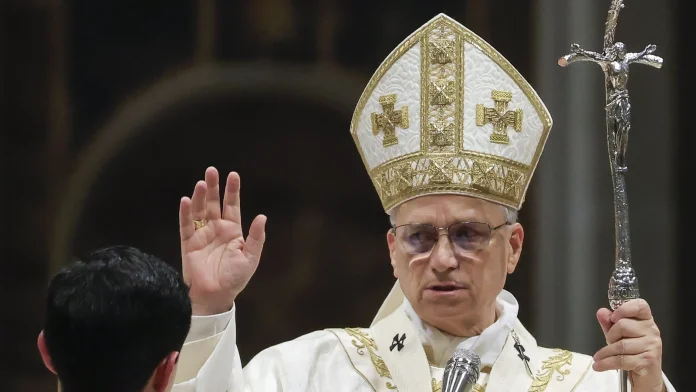
On a crisp spring morning, St Peter’s Square should have felt like an embrace: a sea of faces craned toward the white silhouette of a pontiff, the air thick with incense, the vibration of ancient bells carrying a single, stubborn message—Christ is risen. Instead there is a hush threaded with headlines. This Easter, the world’s Catholics gathered beneath a new flag: Pope Leo XIV’s first celebration of the feast as pontiff, watched by millions around the globe, but watched through a lens clouded by conflict in the Middle East.
At 9:30am Irish time the pope celebrated Mass on the Vatican’s open stage before several thousand faithful. At 11am he pronounced the Urbi et Orbi blessing—the traditional “to the city and the world” invocation—an appeal that normally lands soft and hopeful on the ears of many. This year, it felt more like a summons: not only to faith, but to conscience and to the uneasy work of peacemaking.
“We came for the resurrection, and we found a question,” said Maria Fernandes, a volunteer from Lisbon who had traveled with a parish group. “We are used to joy here—laughter and children running under the colonnades. Today people kept glancing at their phones, at the screens. You could see the war in the way they held their hands.”
Prayer Amid Proximity to Violence
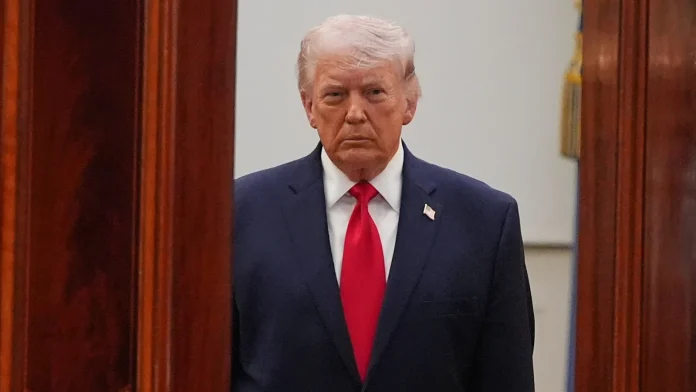
Pope Leo has been unusually direct about the conflict. In the days leading up to Easter he called repeatedly for an end to the violence in the Middle East and even urged world leaders to seek an “off-ramp” from escalation—an appeal directed, publicly and pointedly, at the U.S. administration. His Easter Vigil homily pressed the imagery of heavy stones: “Even today, there are tombs to be opened,” he said in a message shared widely on the Vatican’s social channels, inviting the faithful to consider the heavy burdens of mistrust, fear and resentment that lock societies in cycles of suffering.
Those words landed differently in different places. In the Vatican they echoed like an ethical challenge; in Jerusalem they felt, heartbreakingly, literal.
Closed Doors at the Holy Sepulchre
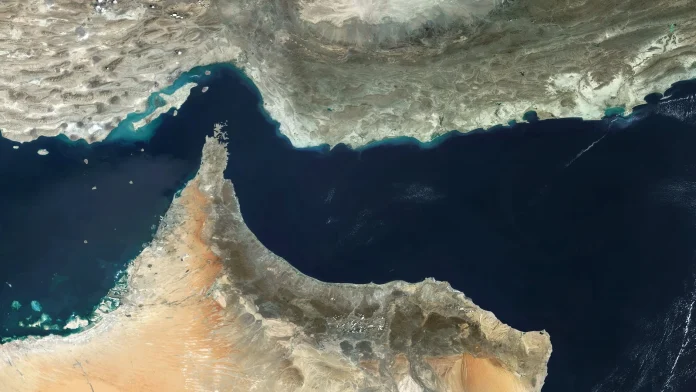
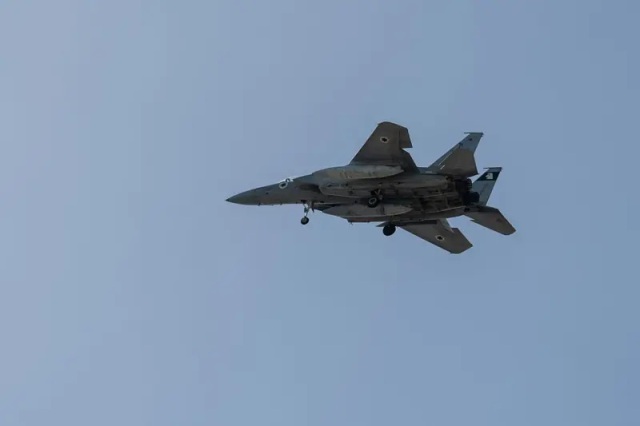
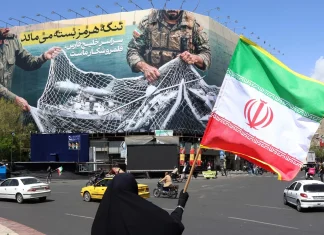
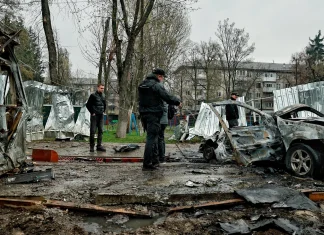
In the winding alleys of Jerusalem’s Old City, the Church of the Holy Sepulchre—sites of worship and pilgrimage for centuries—stood largely shuttered. For the first time in living memory, some services were held behind closed doors; pilgrims were kept away from the tomb regarded as the heart of Easter belief. Israel announced restrictions on large gatherings in response to ongoing security threats after the onset of strikes between the United States, Israel and Iran that began on February 28.
“The sepulchre is empty, not because of miracle, but because of a curfew,” said Jack, a 52-year-old resident of the Old City, who asked that his surname not be used. “It’s a strange grief. You come here to touch the stones that tell a story of new life. Now the stones are just stones.”
Latin Patriarch Cardinal Pierbattista Pizzaballa, who has long been a pastoral voice in the region, noted poignantly in his Easter Vigil homily that silence has a weight of its own in this wounded land. Authorities prevented him from celebrating Mass in the church on a prior occasion—a decision that drew international criticism. “The silence here is not a peaceful one,” he told congregants. “It is broken by the distant sounds of a war that sows fear and tears.”
The Village That Kept Its Candle Burning
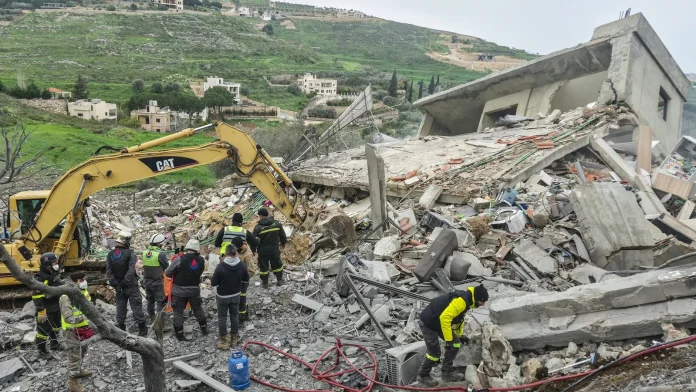
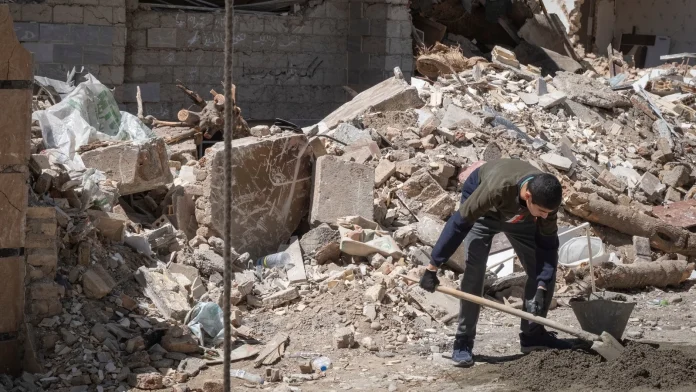
South of the borderlands, the Lebanese village of Debel—an area with a Christian majority—sat in an uneasy ring of sound: the steady thrum of artillery and the sharp staccato of mortar rounds. Homes were cut off, supply lines frayed, and families huddled in the thin safety of shared rooms. Yet the village prepared, as villages do, for its rites.
“We will have bread and we will bless it. We will light a candle at dawn,” said Joseph Attieh, a town elder, speaking by phone amid the roar of nearby bombardment. “We are terrified. We have not slept. But we put our trust in God—that is the only light we keep.”
It is a small, human image—loaves, a candle, a prayer—that binds the global to the intimate. While presidents and generals argue over strategy on screens, families in places like Debel carry on the rituals that make life bearable: breaking bread, naming the dead, refusing to give up on hope.
Faith, Diplomacy, and the Global Gaze
There are roughly 1.4 billion Catholics worldwide, a demographic fact that underscores how much weight a papal voice can carry on days like this. Yet influence is different from power. Diplomats and analysts say spiritual leaders can nudge public sentiment, inspire humanitarian responses, and shame or bless policies—rarely do they order ceasefires.
“Religious leadership has moral authority, not military leverage,” explained Dr. Amina Khalil, a Middle East analyst based in Geneva. “But moral authority shapes narratives. When a widely followed religious figure highlights the human cost of war, it can mobilize international pressure in surprisingly concrete ways—funding for relief, diplomatic mediation, even shifts in public opinion that force politicians to reassess options.”
The Vatican’s language this Easter was unmistakable in its urgency. The pope’s public entreaties, his use of social media, and the visual of a pontiff standing before an anxious square all played into a larger strategy: keeping the human impact of conflict in view so the world does not get used to it.
What Are We Willing to Lose—or Save?
As you read this, you may be several time zones away from a basilica or a battlefield. You might be sipping coffee and glancing at headlines, or standing in a packed church. I invite you to imagine the two scenes overlapping: a child lighting a candle while a town elder names the dead by the faintest light of a phone screen; a crowded nave where a woman checks messages from a son in uniform.
Who do we save first? What do we preserve as sacred? These are not merely theological questions; they are political and practical, ethical and immediate. The choices made in war rooms ripple into pews and kitchens. They determine whether a father in Debel wakes tomorrow.
Hope, Not as Naïveté but as Practice
There is no tidy resolution at the end of this Easter morning. Yet in every closed church, every family preparing a humble feast, and every leader who uses their pulpit to plead for ceasefire, there is evidence of a stubborn human refusal to normalize violence. Pope Leo XIV’s blessing will be played back on television screens and in living rooms; for some it will be a comfort, for others a call to action.
“Hope is not a passive thing,” said Sister Ana, a missionary who has worked in refugee camps along Lebanon’s border. “Hope makes plans. It asks for help. It feeds the neighbor. This is a season to practice hope as if it were a muscle—we must exercise it so it does not atrophy.”
So what will you do with today’s message? Offer a prayer, make a call to your representative, donate to relief efforts, or simply listen to someone who is carrying weight you cannot imagine. In a world where the drumbeat of geopolitics often drowns out the quiet work of mercy, perhaps the real miracle is collective attention: choosing, together, to turn toward the places where doors have been shut—and to try, humbly and persistently, to open them again.