

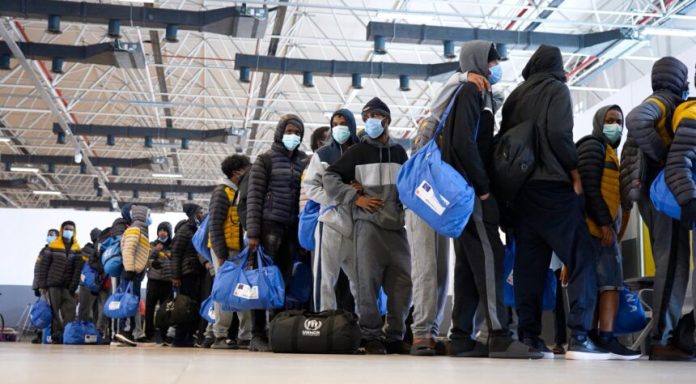
Apr 23(Jowhar)-Inkabadan 174 dhalinyaro Soomaali ah ayaa dib loogu soo celiyay dalka kadib markii maanta laga soo dejiyay garoonka diyaaradaha ee magaalada Muqdisho.
Israeli strikes kill five in Gaza and West Bank, medics report
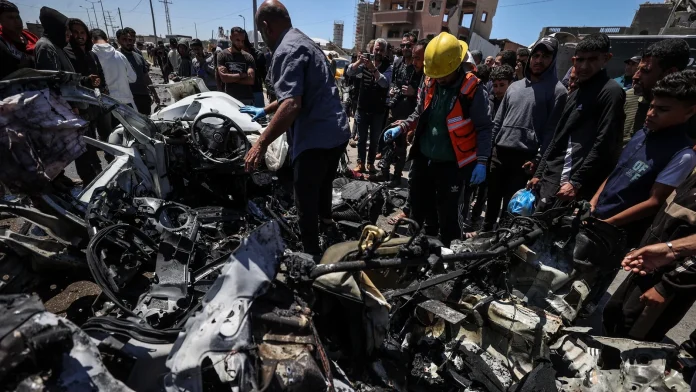
After the Ceasefire: When Silence Breaks, So Do Lives
The night air over Gaza is supposed to be different now — quieter, the kind of hush people cling to after a ceasefire. But last night the hush was ripped. In the south, in Khan Younis, an airstrike turned ordinary evening into a scene of rubble and sirens. Medics counted one dead and several wounded; neighbours described a column of dust and the smell of burning that lingered for hours.
“We heard two explosions and then the whole street lit up,” said Miriam, a shopkeeper who lives a few blocks from the strike site. “Children were screaming. You can patch wounds, but you cannot patch sleep or the fear in their eyes.”
Further north, in Maghazi refugee camp — a stitched-together maze of concrete and memory in the Deir al Balah district — another strike claimed three lives, among them a volunteer rescue worker who had spent a lifetime hauling the wounded from under rubble. Palestinian health authorities said four people were killed across Gaza in these latest strikes.
“They were taking bodies out when another blast flattened what was left,” recalled Saeed, who helps run an informal burial society in Maghazi. “Who can rest? There is no guarantee today that you will be alive tomorrow.”
Hospitals as Beacons and Pressure Cookers
At Al Shifa, Gaza’s largest hospital, mourners moved through corridors that smell of antiseptic and grief. Relatives gathered to bury five people killed by an airstrike in the north — including three children. The funeral procession was a quiet, raw rhythm: the soft thud of feet, the muffled wails, the passing of a child’s tiny shoes from person to person before they were lowered into the grave.
“There is no ceasefire, no truce, nothing at all,” said Mohammed Baalousha, a relative of one of the victims. “There is no safety in any area.”
Doctors and nurses, already stretched thin, spoke of ambulance convoys waiting at checkpoints, of patients in corridors because operating theatres are full or out of water. A nurse who asked not to be named because of security concerns described sleeping on an office floor between shifts and waking to alarms. “We patch people and then we bury them,” she said. “It never ends.”
Statistics You Should Hold in Your Hands
Numbers are blunt tools for measuring human harm, but they help frame the scale. Palestinian health officials report that since the U.S.-brokered ceasefire came into effect in October, more than 780 Palestinians have been killed in Gaza while four Israeli soldiers lost their lives in the same period.
There is no international enforcement mechanism overseeing the truce; both sides accuse the other of violations. That legal and practical vacuum turns local flare-ups into fatal, recurring patterns.
- Since October: more than 780 Palestinians killed in Gaza (health authorities’ figures).
- Since October: four Israeli soldiers killed (Israeli military reports).
- At least 15 Palestinians reported killed this year in attacks by Israeli settlers, according to the Palestinian health ministry.
The West Bank: Raids, Stones, and Settler Violence
While Gaza’s skies once again burned at night, the West Bank continued its daily attrition. In Nablus, Israeli forces conducted a raid that ended with the shooting death of a 15-year-old. The military said its troops were met with stone-throwing during operational activity and that its “standard suspect apprehension procedures” led to live fire; Palestinian health officials confirmed the teen’s death.
“He was only a child,” said Amira Haddad, a teacher who lives in Nablus. “He loved football. You see his friends in the streets — they are acting like they are immortal because that is how you survive this place. But he’s gone.”
Elsewhere, near Ramallah, residents awoke to news that a 25-year-old had been shot and killed in Deir Dibwan, allegedly by settlers. Human rights groups have raised alarms about a surge in settler violence — from beatings and arson to shootings — sometimes amid the complicity or inaction of security forces. The Palestinian health ministry says at least 15 people have died in settler attacks so far this year.
On the Ground, the Tension Is Structural
What binds these incidents is not just geography, but a structure of insecurity: checkpoints that delay ambulances, a patchwork of military orders and emergency regulations, and an absence of a credible mechanism to hold violators accountable. “A ceasefire without verification is like a clock without hands,” said Dr. Lina Karim, an analyst with a regional policy institute. “You can set a time for calm, but without monitoring and consequences, old habits return.”
For ordinary Palestinians, the cycle of strikes, funerals and raids creates a cumulative trauma that does not pause for political negotiations. Psychologists warn of long-term effects on children who grow up in such an environment — heightened anxiety, sleep disorders, and a pervasive sense of threat that shapes life choices and limits economic activity.
Why This Matters to the Rest of Us
When violence threads through daily life in this way, it has ripple effects that extend beyond borders. Humanitarian aid becomes harder to deliver, reconstruction stalls, and the space for political compromise narrows. Refugee camps like Nuseirat and Maghazi, with their shared histories and cramped quarters, become pressure cookers for anger and despair.
At a distribution point in Nuseirat, a small charity was handing out meals to families. A volunteer, Fatima, ladled stew into plastic bowls and said, “People here do not want charity; they want dignity. But dignity is not just a word. It is safety, schooling, and hope for the children.”
Ask yourself: what does it mean to call something a ceasefire when people disappear in the night and ambulances wait at borders? How do international actors justify the language of peace while the experience on the ground is so different?
What Comes Next?
There are no easy answers. Diplomats may reconvene, monitors may be proposed, and aid convoys may arrive with new pledges. But lasting change requires mechanisms that communities can trust: independent monitoring, clear consequences for violations, and tangible improvements in daily life — water, electricity, safe schools, lawful protection from violence.
“We need more than statements,” said a veteran field worker at an international NGO. “We need local councils empowered, we need transparent reporting, and we need everyone — local, national and international — to be accountable.”
For people living in Gaza and the West Bank, the question is immediate and personal: how do you build a life when the foundations tremble? For those of us reading from afar, the question is ethical: what responsibility do we hold to witness, to pressure policymakers, and to not let the headlines fade into the background?
Final Thoughts
In the end, the stories from Khan Younis, Maghazi, Al Shifa, Nablus and Deir Dibwan are not footnotes. They are a mosaic of human experience — frantic, ordinary, heart-wrenching. They remind us that ceasefires are more than diplomatic lines on a map; they are promises of safety that must be kept, monitored and defended.
As you close this piece, consider this: peace is not a pause in violence; it is a commitment to a different future. And that commitment, if it is to mean anything, must start with the slow, stubborn work of protecting human life every single day.
Mashruuca xoojinta adkeysiga magaalooyinka oo la daahfurey
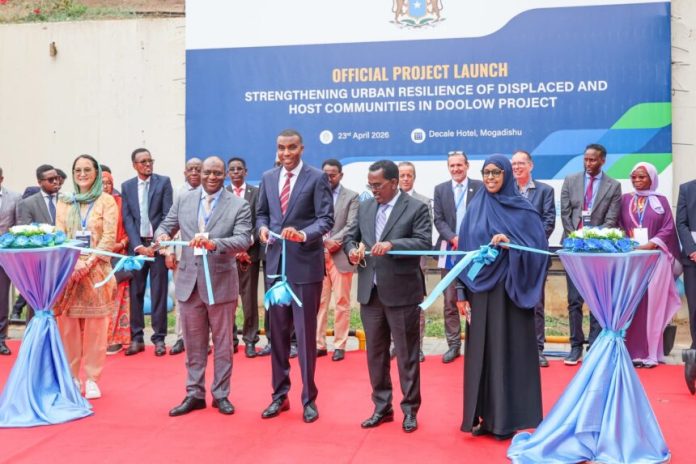
Apr 23(Jowhar) Ra’iisul Wasaaraha Xukuumadda Jamhuuriyadda Federaalka Soomaaliya mudane Xamsa Cabdi Barre, ayaa maanta si rasmi ah u daahfuray Mashruuca xoojinta adkeysiga magaalooyinka iyo is dhexgalka bulshooyinka barakacayaasha ah iyo kuwa martigeliya ee magaalada Doolow, kaasi oo muhiim u ah horumarinta nolosha bulshada nugul.
US downgrades federal risk classification for certain cannabis products
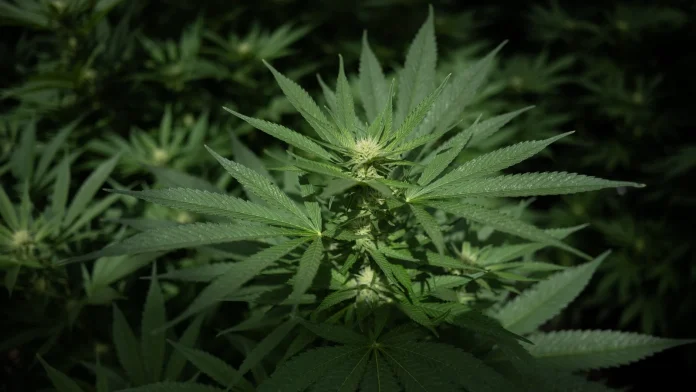
The Morning After: A Quiet Revolution in the Air
There was a different kind of hum in the cities today — not the clatter of headlines, but the low, hopeful buzz outside storefronts and research labs. On the steps of a small dispensary in Denver, a barista wiped down the counter and laughed at the disbelief in a customer’s eyes. “Feels like the world just shifted a few inches,” she said, handing over a paper cup of coffee that smelled like roasted earth and possibility.
What changed overnight was not a single law that suddenly legalised cannabis across every state. It was a federal reappraisal of how the United States classifies the plant — a move so consequential that lawyers, investors, clinicians and families are already recalculating plans. Acting Attorney General Todd Blanche announced that FDA-approved marijuana products and state-regulated medical cannabis would be moved off Schedule I and put into a lower-risk category: Schedule III.
What Does Rescheduling Mean — Really?
For anyone who keeps the government’s drug schedules in the back of their mind like an old map, this is a tectonic shift. Schedule I is the most restrictive category: drugs deemed to have a high potential for abuse and no accepted medical use. Think heroin and LSD. Schedule III is a far less draconian neighbourhood — home to some common painkillers, ketamine and testosterone.
“This rescheduling action allows for research on the safety and efficacy of this substance, ultimately providing patients with better care and doctors with more reliable information,” Mr. Blanche said in the department’s statement. It is not a clean sweep — marijuana is not federally legal today — but the administrative barriers that have kept physicians cautious, banks skittish, and scientists boxed-in are expected to come down.
What changes for researchers, companies, and patients?
Think of the difference between walking up a locked stairwell and being given the key. Clinical trials that used to take years to navigate through federal approvals could now move far more quickly. Investment that was stymied by banking and tax obstacles — the notorious Section 280E that treats cannabis businesses differently for tax purposes — may find relief, and with it easier access to capital.
- Research: easier access to federal research-grade material and fewer bureaucratic hoops.
- Finance: lower risk for banks and investors, which may increase lending and public-market interest.
- Regulation: FDA oversight for approved products becomes clearer, separating medical products from illicit market strains.
Markets React — From Trading Floors to Corner Shops
The markets woke up to the news with a few thousand small ripples that quickly compounded. Shares of US-listed cannabis companies climbed: Cronos Group, Aurora Cannabis, Canopy Growth and Tilray saw intraday jumps in the region of 6% to 13%. “Today marks a pivotal moment for the United States,” said Irwin Simon, chairman and CEO of Tilray, in a statement. “Federal policy is finally aligning with science, medicine, and most importantly, patient needs.”
Analysts point to a growth trajectory that has been building for years: market researcher BDSA projects legal sales could top $47 billion in the US by 2026. That number is not merely a corporate forecast — it reflects a deepening consumer base. According to the Centers for Disease Control and Prevention, nearly one in five Americans used cannabis in the past year, and legal markets now operate in some form in about 40 states.
On the Ground: Voices That Tell the Other Half of the Story
Numbers are necessary. Stories are essential. Outside the dispensary in Denver, the owner, Marisol Vega, wiped her hands and spoke plainly about what the change would mean. “My grandmother used cannabis to sleep after her chemotherapy,” she said. “For us it’s medicine and livelihood. We’ve lived in the contradiction: selling products on a legal shelf while customers could be criminalised outside the state line.”
Across town, a neuropsychologist, Dr. Anna Patel, who has struggled for years to mount a study on cannabis and chronic pain, described what rescheduling could unlock. “We’ve been operating under an arc of caution because the federal schedule made grant writing nearly impossible,” she said. “This opens up the scientific literature in a way that will let us stop guessing and start confirming.”
Then there’s James Carter, 34, who carries a scar on his forearm from a past arrest for possession. “I used to worry the cops would still come knocking, even after the state made it legal,” he said. “This doesn’t erase what happened, but it changes the frame — now there’s a real conversation about pardons and expungements.”
The justice angle
That last point carries weight. Millions of Americans have been arrested for cannabis offences over recent decades, with disproportionate impacts on communities of colour. Rescheduling doesn’t automatically erase those records, but it does make the federal government more open to policy tools — from expungement to sentencing review — that one day could remedy past harms.
Global Echoes and Bigger Questions
Look beyond the US borders and you see a world experimenting with alternatives to prohibition: Canada’s federal legalisation, Uruguay’s trailblazing move a decade ago, and a mosaic of regulated models in Europe, Africa and Latin America. The US shift may accelerate international conversations about drug policy, health, and human rights.
But questions remain. Will the change meaningfully reduce the number of arrests? How fast will banks and insurers move? Will the FDA quickly set standards that protect patients from inconsistent product labeling? And what will this mean for small farmers versus large corporations poised to scale up?
Policy analysts say the move may not settle the industry’s power dynamics. “When you lower regulatory friction, capital flows to the best-resourced players,” noted Jamila Rivera, a community organiser who has worked on expungement campaigns. “If we want the benefits to reach people who were harmed by prohibition, we need explicit policies that direct investment into affected communities.”
Where Do We Go From Here?
For consumers, researchers and advocates, the next months will be a test of whether institutional change matches the headlines. Expect more clinical trials, more bank dealings, and more regulatory guidance. Expect also a volley of litigation and lobbying as different stakeholders jockey for advantage.
But there is, in many neighborhoods, an almost palpable sense of relief. “It’s not just about business,” Marisol said, watching a young couple debate strains in the window. “It’s about being able to talk openly with your doctor without feeling judged. That’s worth a lot.”
So consider this your invitation: watch where the policy goes next, listen to the people in your community, and ask hard questions about who benefits. Are we building a system that heals past harms, or simply repackages an old market? The answer will shape cannabis policy—and the lives it touches—for years to come.
After negotiations fail, Iran asserts control over strategic strait
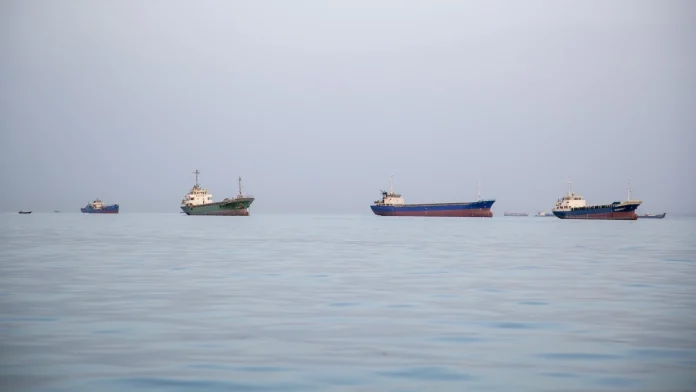
When the Strait Went Quiet: Speedboats, State TV and a Chokehold on Global Trade
The footage landed like a movie trailer — only it was being beamed into living rooms in Tehran and onto smartphone feeds around the world. Masked commandos, rifles slung, hurtled alongside a hulking cargo ship in a grey speedboat. They climbed a rope ladder, kicked open a door in the hull, and spilled onto the deck: an image of deliberate theater, framed by the blue-green chop of the Strait of Hormuz.
Iranian state television ran the video without narration and with an almost cinematic soundtrack. For a country already proclaiming control over one of the planet’s most strategic waterways, the clip was both proof and promise: we can close the gate, and we will.
What Happened — In Plain Sight
Iran says its commandos seized two merchant vessels that tried to transit the strait without permission. The ships named in state footage — the container ship MSC Francesca and another freighter, Epaminondas — were shown under the control of Iranian personnel. Authorities accused the crews of breaching newly imposed rules and said the vessels had “faced the law.”
Parliamentary leaders followed up with another bold claim: Tehran announced it had begun collecting a toll on ships passing through the strait and that initial revenue had been transferred to the central bank. Details about how much, from whom and under exactly what legal authority were, for now, thin to non-existent.
Images and Implications
The visuals matter. For years, the Strait of Hormuz has been a nervous line on world maps — about 21 million barrels a day of crude and liquefied natural gas typically pass through there, roughly one-fifth of the world’s seaborne energy shipments. When a nation shows it can board a commercial vessel in that choke point and control movements, markets and diplomats pay attention.
“This was signaling more than law enforcement,” said Dr. Lina Haddad, a maritime security analyst who studies straits and chokepoints. “It’s a strategic demonstration: control the world’s arteries and you have bargaining power beyond your borders.”
Life in the Gray Zone: Voices from Tehran and the Coast
Back in Tehran, reaction is a string of apprehension and defiance. The city’s Revolution Square displayed a massive billboard reading — in bold Persian — “The Strait of Hormuz Remains Closed.” Underneath, crowds and traffic flowed as they always do, but conversations carried a different gravity.
“This isn’t ordinary life,” said Arash, a 35-year-old civil servant who asked to be identified by his first name. “For six weeks we lived under bombardment, then a ceasefire, then uncertainty. Now it feels like a pause that could snap. You can’t plan a future when you wake up thinking an attack might start.”
On the southern islands, where fishermen know the currents and coves intimately, the reaction was practical and immediate. “We see speedboats sheltering in sea caves,” said Captain Abbas, a 52-year-old fisherman near Qeshm, speaking by phone. “They come out at night. It’s tense — nobody wants to be caught between navies.”
A Pakistani diplomat, who spoke on condition of anonymity, described Islamabad’s delicate role: Pakistan had hosted the only round of peace talks and was trying to keep channels open after the last-minute collapse of follow-up negotiations. “Both sides still pick up our calls,” the diplomat said, “but neither has committed to meeting. That’s the current reality: plenty of words, little movement.”
Global Ripples: Markets, Shipping and Military Chess
When the Strait is blocked, the global implications are not hypothetical. Energy traders watch the channel like a hawk because a shutdown can jack up oil and LNG prices overnight. Insurance premiums for tankers spike. Shipping companies reroute around Africa’s Cape of Good Hope, adding weeks and millions of dollars in fuel and fees to a single voyage.
Already, shipping and security sources report that the US military has intercepted at least three Iranian-flagged tankers in Asian waters and redirected them away from ports in India, Malaysia and Sri Lanka. Washington has also kept a naval presence near the strait and announced mine-sweeping operations.
On social media, the American president claimed — without offering evidence — that the US has “total control” of the strait and that it was “sealed up tight” pending a deal with Tehran. Earlier posts ordered the Navy to “shoot and kill” any vessel laying mines. The rhetoric is sharp; the choreography of actual sea control is messy and dangerous.
Numbers That Matter
- Roughly one-fifth of global seaborne oil and LNG flows through the Strait of Hormuz in normal times — about 20–22 million barrels per day in recent years.
- International monitors estimate Iran’s stock of highly enriched uranium at more than 400 kilograms — a fact Tehran’s adversaries point to when arguing for pressure and Tehran’s supporters present as a sovereignty issue.
- Delays and detours around Africa add thousands of nautical miles and can push freight costs up by tens of percent for some routes.
Diplomatic Backdrop: Talks Cancelled, Trust Degraded
Only days earlier, a tenuous ceasefire had held after an intense period of bombardment and loss of life. Peace talks in Pakistan, meant to build on the truce, collapsed at the last moment. Tehran says it will not reopen the strait until Washington lifts a blockade of Iranian shipping — a measure the US says it imposed to enforce its own aims and which Tehran calls a truce violation.
“You did not achieve your goals through military aggression and you will not achieve them by bullying either,” Mohammad Baqer Qalibaf, Iran’s Parliament Speaker and head of its negotiating team, wrote on social media. “The only way is recognising the Iranian people’s rights.”
Diplomats fret that the diplomatic toolbox is shrinking. Pakistan’s outreach can help keep lines open, and other countries may try shuttle diplomacy, but the basic condition for talks — trust that agreements will be honored — looks in short supply.
What Comes Next? A Dangerous Game of Patience
There is no easy off-ramp. Iran says the strait will remain effectively closed except to Iranian vessels until the blockade of its shipping is lifted; the US insists on maintaining pressure. Naval assets from several countries are shadowing each other in the region; mine warfare — a low-cost but high-risk tool — remains a fear.
“This is brinkmanship,” said Captain James Mercier, a retired naval officer turned security consultant. “One misstep, one misidentified trawler, one wrong radio call, and this could escalate in ways no one wants.”
And while capitals argue over sanctions, patrols and legalities, ordinary people live the consequences. Shopkeepers in Tehran worry about supply chains. Fishermen fear being drawn into operations they don’t understand. Shipping companies reroute at cost, and consumers far from the Gulf might feel it at the gas pump weeks from now.
Closing Questions
So where does that leave us, the global onlookers whose energy bills and economic fortunes are quietly governed by a strip of water between Iran and Oman? Are we witnessing a new kind of 21st-century sieging — a digital and maritime control of chokepoints — or an episodic geopolitical theater that will fade back into uneasy normalcy?
These are not simple yes-or-no questions. They demand policymakers and publics alike ask tougher ones: What price are we willing to pay to keep sea lanes open? Whose rights matter when they intersect on the water? And how do we build durable trust when every message is amplified and every mistake can be fatal?
Whatever the answers, one thing is clear: the Strait of Hormuz is not merely geography. It is a living artery of global trade and human lives, and it has become, for now, the world’s most consequential flashpoint. Watch the horizon — and ask yourself what you would do if the waterway that carries the fuel for your life went dark.
Golaha Wasiirada oo ka dooday Amniga Maaliyadda iyo Xaalada wabiyada dalka
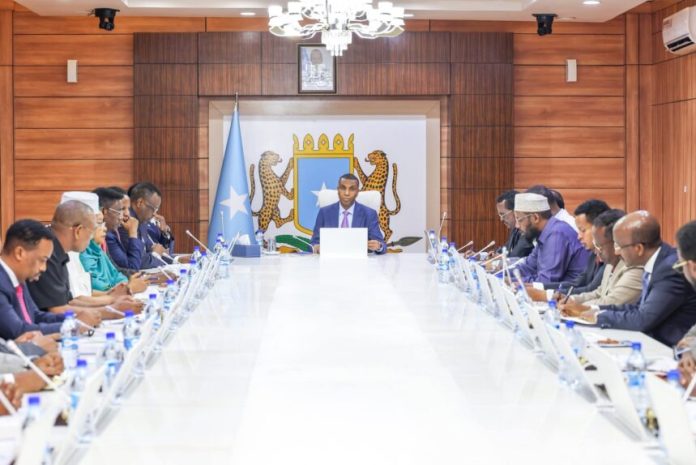
Apr 23(Jowhar)-Golaha Wasiirrada Xukuumadda Jamhuuriyadda Federaalka Soomaaliya oo maanta yeeshay kulankoodii toddobaadlaha ahaa, ayaa meel-mariyey dhismaha xarunta adeegga Mideysan ee Halmeel oo hoostaga Xafiiska Ra’iisal Wasaaraha, una xilsaaran isku duwidda, mideynta, jaangooynta, iyo horumarinta adeegyada dadweynaha ee Dowladda Federaalka, si muwaadinku uu u helo adeegyo kala duwan oo isku xiran.
Former Philippine president Duterte to face ICC trial after judges confirm charges
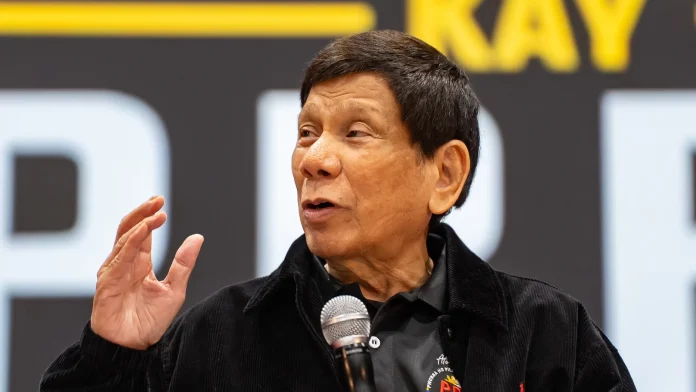
The Day the World’s Eyes Turned to Manila’s Shadow
There are mornings in Manila when the city hums like a living thing — jeepneys cough into traffic, vendors call out the day’s catch, and church bells blend with the distant drone of construction. On one of those mornings, an announcement from The Hague sliced through the ordinary noise: Rodrigo Duterte, the former president whose name is as polarizing in the Philippines as it is familiar abroad, has been sent to trial at the International Criminal Court.
It is a moment heavy with contradiction. For years, Duterte cultivated an image of the strongman who would do anything to eradicate illegal drugs. For others, he became the architect of a campaign that left thousands dead and families shattered. Now, the pre-trial judges at the ICC have concluded there are substantial grounds to believe he bears responsibility for crimes against humanity — murder and attempted murder — and have committed him to stand trial.
A First of Its Kind in Asia
This case marks an unprecedented chapter in Asian politics: an ex-head of state from the region arraigned on charges at the court in The Hague, the global tribunal set up to prosecute genocide, war crimes and crimes against humanity since 2002.
“We are watching a test — for international justice and for our collective conscience,” said Elena Morales, a human rights lawyer in Manila. “Whether the court can proceed fairly and credibly in the face of geopolitical pressure matters to victims everywhere.”
The ICC, now more than two decades old, is navigating one of its most turbulent periods. The court’s recent activity on conflicts beyond the Philippines, including decisions that have drawn responses — even sanctions — from powerful states, has raised questions about how international law and politics intersect. The Philippines, with a population of roughly 113 million, finds itself under an international microscope even as daily life goes on in its bustling markets and quiet provincial towns.
Faces of the Drug War
Walk the neighborhoods of Davao, where Duterte began his political ascent, and the echoes of the drug war remain mixed with everyday city sounds. In the Paco district of Manila, a woman named Liza clutches a photograph of her younger brother, killed in 2017. “They called it a legitimate police operation,” she said. “But no one told us how many people would be reduced to numbers.”
Statistics, too, tell a divided story. Government tallies recorded about 6,000 deaths classified as “deaths under investigation” during operations, a figure often cited by Philippine authorities. Human rights organizations, poring over witness statements and media reports, place the likely number of victims much higher — estimates range from roughly 12,000 up to 30,000 — when suspected vigilante-style killings and other unrecorded incidents are included.
“People died in their homes, on the street, sometimes in front of their children,” said Reverend Tomas Delgado, who leads a community outreach program in a Manila barangay. “Grief has become part of the fabric of life for many families here.”
What the ICC Found
Pre-trial judges are not delivering a verdict of guilt — that remains the province of the trial itself — but they found the allegations sufficiently grave to move forward. The decision concludes that there are reasonable grounds to believe that the campaign, as implemented and encouraged, reached the threshold of crimes against humanity. That means prosecutors convinced judges the actions were not isolated but part of a broader, systemic policy.
“This is not about politics; it’s about whether international norms were breached in ways that demand accountability,” said a senior investigator involved in the case. “The court’s role is to assess evidence and ensure the rule of law applies, even when the accused once sat atop a government.”
Lives in the Waiting Room
Procedural details — whether Duterte will physically appear at the trial, the pace of evidence collection, the protection of witnesses — have been contentious. His legal team maintains the 81-year-old is not fit to participate, citing mental frailty. When he made an initial video appearance after his arrest, some observers noticed signs of confusion and fatigue.
“I have seen veterans on their deathbed who were less frail,” Duterte’s lead counsel said in a statement. “We will do everything to protect his rights and dignity.”
Opponents and victims’ families watch that posture with ambivalence. “If he cannot stand, then what does justice look like?” Maria Santos asked, still tamping the soil over her brother’s grave. “We want truth, accountability, and a future where leaders think twice before ordering death.”
Local Color: Vigil, Market, Memory
Justice proceedings are often abstract — legal texts and evidentiary filings. But in the Philippines, they intersect with ritual and community. On the eve of the court’s announcement, a small procession wound through Quezon City carrying candles and photos of the disappeared. A sari-sari store owner lit a candle and murmured, “This is for peace.”
At lunchtime in a fish market near Manila Bay, vendors argued about the news between weighing scales and piles of fish. “If this goes through, then maybe politicians will think twice,” one vendor offered, wiping his hands on his apron. “But if not, what changes?”
The Global Backdrop
The ICC’s docket now includes cases that touch some of the most fraught conflicts of recent memory. Its decision to proceed against Duterte comes at a moment when the court itself faces diplomatic headwinds, including public pushback from countries that once championed its mission. Sanctions and political pressure have complicated the court’s work and provoked debate about sovereignty, justice, and the limits of international law.
“This institution was created so that the worst crimes don’t go unpunished,” said Dr. Miriam Kohl, an international law professor. “When powerful states react against it, the question becomes whether it can retain impartiality and the resources to see these cases through.”
What Comes Next — and Why It Matters
The trial ahead will be logistically and legally complex. Witness protection will be paramount, documentary evidence must be vetted, and international legal standards applied in a way that respects due process. Yet the stakes are not only legal; they are moral and political.
- For victims and their families: the trial is a possibility for acknowledgment and redress.
- For the Philippines: a national reckoning with past policies and the political cultures that enable them.
- For international justice: a test of whether global institutions can act amid geopolitical pushback.
“Accountability isn’t vengeance,” said a former prosecutor. “It’s the foundation for rebuilding trust.”
Questions to Carry With You
As this story unfolds, what do you think justice should look like after mass violence? Is a trial enough to heal communities, or does it need to be paired with truth-telling, reparations, and reform? How do nations balance sovereignty with international obligations to prevent atrocity?
These are not academic queries. They are the heartbeat of families who light candles each night, of communities learning to live with loss, and of a world wrestling with how to enforce human dignity when state power is turned against its people.
In the weeks and months to come, the courtroom in The Hague will become a focal point for many — petitioning to be more than a backdrop to headlines. It may be, if the process is meticulous and the evidence compelling, a place where legal reasoning and human stories meet. Or it may become another example of how messy, imperfect and politically entangled international justice can be.
Either way, the Philippines — and the world — will be watching. Will this trial change the calculus of power? Will it offer solace to the bereaved? Or will it become yet another unresolved question on a long list of global injustices? The answers, like the lives at the center of the case, will not be simple.
EU officially greenlights €90 billion loan package to support Ukraine
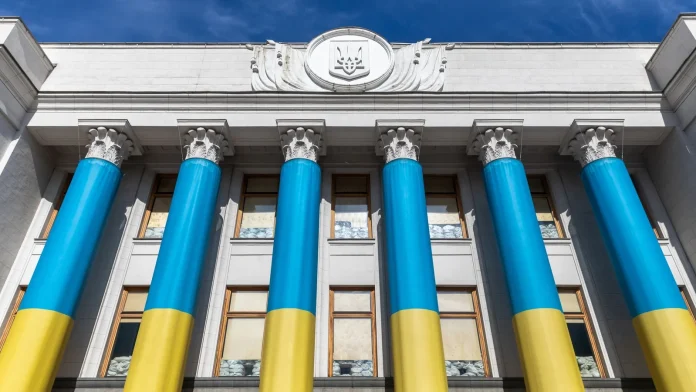
A Mediterranean morning that changed the map: the EU’s €90 billion pledge and a new squeeze on Moscow
The air over Cyprus smelled of citrus and salt when the convoy carrying Ukraine’s president rolled into the capital. Sunlight hit the ancient stones of Nicosia as if nothing of the past three years had happened, and yet on this warm spring morning the future felt remarkably heavy — heavy enough to be measured in billions.
In a decisive move that will be cited in policy debates for years, the European Union formally approved a promised €90 billion loan to Ukraine and signed off on a fresh package of sanctions targeting Moscow’s war machine. The decision, made official by the EU’s rotating Cypriot presidency, punctures a long-running impasse and signals that, after months of tense negotiations, the bloc has chosen a clear path: double down on Kyiv while ratcheting up pressure on the Kremlin.
What the package means on the ground
Put plainly, this is one of the largest single financial commitments the EU has made to a neighbouring country at war. The €90 billion lifeline is intended to shore up Ukraine’s state finances, keep public services running, sustain critical infrastructure repair, and support the economy through the winter months and into recovery planning. Officials say the money will not be a simple cash transfer but a carefully calibrated loan package with disbursement tied to oversight and benchmarks.
At the same time, the state-of-the-art sanctions bundle looks to squeeze sectors central to Russia’s war economy — from finance and supply chains to key export channels. “This is not symbolic theatre,” said Elena Marković, a Brussels-based analyst with a European security think-tank. “It’s a multi-pronged effort to make continued military aggression more costly and more logistically difficult.”
How Europe got here
The vote was only possible after Hungary lifted a blocking veto that had stood for months — a reminder that EU foreign policy still depends on unanimity and that one member state can slow or halt the collective will. Once that barrier fell, ambassadors moved quickly, and by the time leaders convened in Cyprus the paperwork was stamped and the cameras were rolling.
“Our strategy rests on two pillars: strengthening Ukraine and increasing pressure on Russia,” an EU official told reporters, encapsulating the logic behind the package. The imbalance in bargaining power is meant to be reversed: bolster the defender while shrinking the resources available to the aggressor.
Voices from the capital — Cyprus as host, and witness
Cyprus, sun-drenched and diplomatic, played host to this high-stakes moment. At a café steps from the presidential palace, I met Maria, a 63-year-old owner who has watched her island host summit after summit. “We’re used to protocols and power lunches,” she said, pouring coffee into small white cups. “But you could feel it today. People stopped to listen. Even here, it feels like history is being decided.”
Outside the meeting venue, Ukrainian flags fluttered beside EU banners. A small group of refugees — women and children mostly — gathered quietly. “The money means schoolbooks for my son and wages for the teachers,” said Oksana, who arrived in Cyprus last year. “It is not just numbers to us. It is hope that someone will help put our lives back together.”
Meanwhile, a senior diplomat, who asked not to be named, described a different kind of tension — bargaining over strings attached to the money, accountability mechanisms and the political optics of funneling such a large sum to a country at war. “We had to get the balance right between urgency and governance,” they said. “Throwing money without safeguards breeds corruption; being too cautious risks failing the people who need it most.”
Numbers that anchor a narrative
To make sense of €90 billion: it is a figure larger than many EU member states’ annual budgets and one that signals long-term engagement rather than a short-term loan. Since the full-scale invasion, EU institutions and member states have mobilised tens of billions in military, humanitarian and budgetary support — numbers that add up to an unprecedented peacetime outflow toward an external partner.
Analysts note another metric: the strain on Russia’s revenues. Over the past year, the Kremlin’s export receipts have been squeezed by sanctions, insurance and transport complications, and tighter restrictions on financial flows. “We are not saying Moscow will run out of options overnight,” said Marco Ruiz, an economist specialising in energy. “But every sanction chip away at the margins the war economy depends on.”
Why this matters beyond Europe
Ask yourself: what does a stable, sovereign Ukraine mean for the global order? It touches everything from grain supplies in distant markets to the future of international law. If Ukraine stabilises and eventually rebuilds, it will restore a critical linchpin in global food and raw-material supply chains. If the war grinds on unchecked, the ripple effects — inflation, migration, geopolitical realignments — will enter more countries’ domestic politics.
The Cyprus decision also illuminates another trend: the fracturing but functional nature of international cooperation. Unanimity may be imperfect and slow, and domestic politics cranks noise into the system, but when leaders are pressed they can still deliver a coordinated response. That has implications for climate action, global health crises and other transnational challenges.
Questions the money doesn’t yet answer
Even with the loan and sanctions in place, critical questions remain. What will a just and lasting peace look like? How will reconstruction be managed to avoid repeating mistakes from other post-conflict rebuilds? Who will decide which towns are rebuilt first, and whose histories are memorialised?
“Money can pave a road and fix a hospital,” said Dr. Leyla Hadad, a humanitarian expert. “But true recovery needs institutions and trust. That’s slower. That’s the challenge Europe is now signing up for — for years, not months.”
Final thoughts — an invitation to reflect
Walking away from the conference hall as dusk fell, I watched the Mediterranean turn dark and the lights of the city blink on. Decisions that began in negotiation rooms will soon touch the lives of teachers, farmers and the thousands rebuilding homes from rubble. They’ll also play out on global markets, in parliaments, and at kitchen tables from Lisbon to Lagos.
So I leave you with this: what kind of long-term partnership do we want Europe to be with its neighbours? Is it a donor-recipient relationship, a partnership of equals, or something in between? The €90 billion is a big answer — but the conversation about what comes next is just beginning. Will you listen?
Lufthansa waxay joojisay 20,000 oo duulimaad iyadoo qiimaha shidaalka diyaaradaha uu kor u kacayo
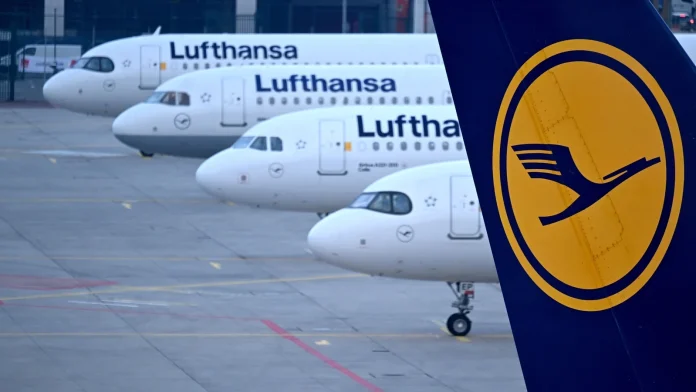
Apr 23(Jowhar) Lufthansa Inta badan dhimista waxay ka timid xidhitaanka diyaaradaheeda CityLine ee khasaaraha badan keenay iyo hawlgabnimada 27-ka diyaaradood ee ay lahayd.
Shir u Dhaxeeya Mucaaradka iyo Safiirka Turkiga oo Ka Socda Guriga Sheekh Shariif
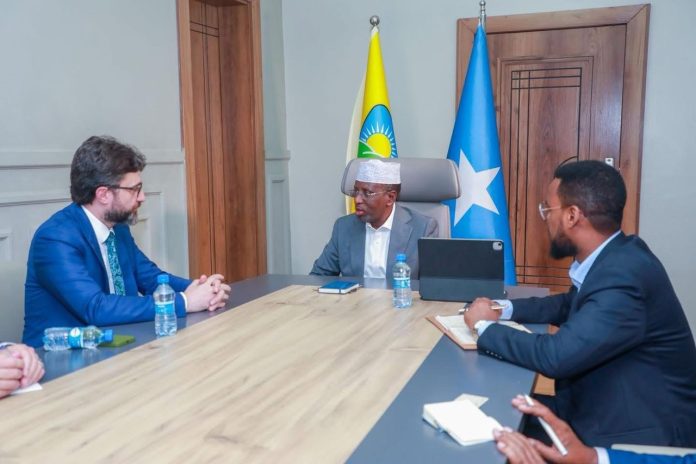
Apr 23(Jowhar)Waxaa maanta guriga Madaxweynihii hore ee Soomaaliya, Mudane Sheekh Shariif Sheekh Axmed, ka socda shir u dhaxeeya siyaasiyiinta mucaaradka iyo Safiirka Dowladda Turkiga ee Soomaaliya.
Streeting resigns from UK government to mount bid against Starmer
A sudden crack in Labour’s façade: Wes Streeting walks, Westminster braces
On a gray morning that felt like an indictment, Westminster woke to news that...
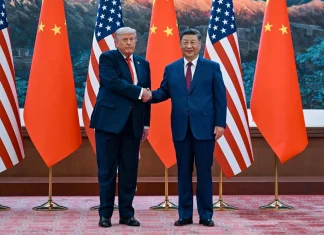
Xi warns Trump’s Taiwan missteps could ignite dangerous cross-strait conflict
Under the Red Flags: A Summit that Smelled of Orchids, Oil and Danger
Beijing in spring is a study in contrasts: ancient temples muffled by...
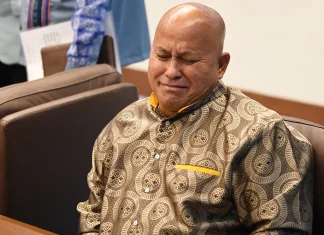
Shots ring out at Philippine Senate as politician dodges ICC scrutiny
A Senate on Edge: Gunfire, a Fugitive Senator, and the Philippines’ Quiet Crisis
They say the city never sleeps, but on a humid midday in...
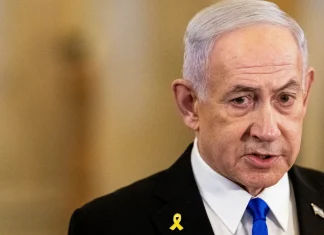
United Arab Emirates denies Israeli claim Netanyahu visited UAE
Night-time Diplomacy, Daylight Denials: A Gulf Mystery Unspools
On a warm Abu Dhabi evening, the city’s glass towers shimmered like a row of sentinels above...
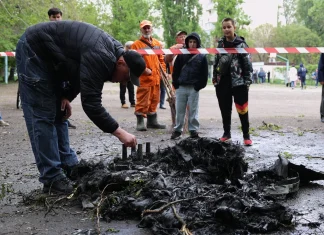
Massive 800-drone Russian daytime assault kills six in Ukraine
Daylight Thunder: Ukraine Faces an Unprecedented Drone Barrage
On a bright spring morning that some residents remember for the smell of fresh bread and the...