Home Blog Page 280

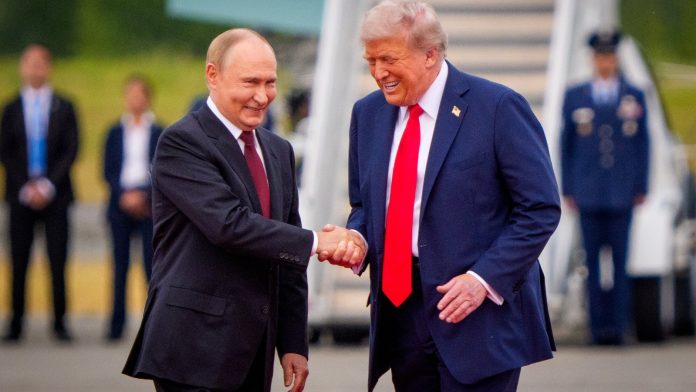
Putin Agrees Ukraine Requires Security Assurances – Trump

Putin accepts Ukraine needs security guarantees - Trump

In a World on Edge, Putin Acknowledges Ukraine’s Security Needs: What This Means for the Future

It’s not every day that Vladimir Putin, a leader often cast as the unyielding mano a mano chess player of global power, offers a momentary crack in his stern facade. Yet, according to U.S. President Donald Trump, Putin has recently admitted that Ukraine requires “security guarantees.” This admission, brief and unexpected, invites us to pause and reflect—not just on the surface of geopolitics but on the deeper currents shaping the future of Europe and the fragile balance of international diplomacy.

As we untangle this revelation, let’s set the stage. Ukraine, standing at the crossroads of East and West, has been a battleground of influence, sovereignty, and survival since 2014. The sprawling country—its golden wheat fields, resilient cities, and spirited people—has lived under the shadow of conflict, economic upheaval, and existential threat. To many, Ukraine is not just a nation; it is a symbol of the right to self-determination against overwhelming odds.

The Weight of Words: Putin’s Unexpected Admission

When Donald Trump said that Putin “accepts that Ukraine needs security guarantees,” the world’s ears perked up. Although Trump’s statements sometimes swirl in controversy, this particular point points to a nuanced pivot in a geopolitical stalemate that has already carried a heavy human toll. Could this signal a willingness to de-escalate? Or is it merely a strategic veneer?

Lyudmila, a schoolteacher from Kyiv, shared her cautious optimism: “For years, our community has feared the worst. If Putin truly understands our security needs, maybe there is a path to peace. But words are easy; actions are harder. We want concrete changes, not just speeches.”

Security guarantees, in this tense context, could mean anything from assurances against further military incursions to formal international agreements preventing future hostilities. But beneath these diplomatic terms lie deeply human concerns—the safety of children, the restoration of trust, and the fragile hope for a future unmarred by war.

Why Security Guarantees Matter: Beyond the Diplomacy

The notion of “security guarantees” might seem like a dry diplomatic term, a line in a treaty. But for Ukrainians, it’s a matter of survival. Since 2014, more than 14,000 lives have been lost, millions displaced, and countless families live in a constant state of anxiety over their country’s sovereignty.

“Security guarantees aren’t just about borders or troops,” explains Dr. Felix Murray, an international relations expert at the University of London. “They’re about affirming a nation’s right to exist, to control its destiny without the looming shadow of invasion or interference. For Ukraine, this goes to the heart of its national identity and democratic aspirations.”

And it’s not just political experts who feel this deeply. Ivan, a butcher from Lviv, puts it plainly: “After all we’ve been through, we want peace that lasts. We want to sleep without sirens waking us at night.” The collective yearning for stability echoes through the streets and conversations of Ukrainians far from the halls of power.

Historical Echoes and the Global Stage

Putin’s acknowledgment must also be understood against the backdrop of history. Ukraine’s story is steeped in centuries of layered allegiances and contestations—under Tsarist Russia, the Soviet Union, and now modern Russia’s geopolitical ambitions. Each chapter has shaped the country’s fierce love of freedom and persistent struggle against domination.

Today’s global geopolitical climate exacerbates these tensions. With NATO’s expansion eastward, Russia perceives a tightening noose, while many Europeans view Ukraine’s Western integration as a beacon of democratic resilience. The question now becomes: Can security guarantees serve as a bridge rather than a battleground?

The Human Cost and the Cultural Pulse of Ukraine

Imagine the cobbled streets of Kyiv laden in snow, the scent of fresh borsch simmering in cozy kitchens, and the vibrant folk songs echoing in village squares. This isn’t just a conflict on paper; it’s about real lives, traditions, and dreams suspended in uncertainty.

Maria, a grandmother from Odessa, reminisces, “My grandfather fought in wars. He always said, ‘Peace is the hardest battle.’ May this be our last.” Her eyes shimmer with a mixture of pain and hope—a testament to the indomitable spirit of a people battered but unbroken.

This spirit echoes in Ukraine’s thriving arts scene, blossoming despite hardship, and its community-driven efforts to rebuild towns destroyed by conflict.

What Lies Ahead? Questions for Us All

Putin’s concessions, if they are genuine, have the potential to reshape eastern Europe’s geopolitical horizon. But they also raise pressing questions: Will internationally backed guarantees be enough to secure peace? How will Ukraine’s sovereignty coexist with Russia’s strategic interests? And perhaps most importantly, what role will the global community play in fostering—not just negotiating—lasting resolution?

In an era plagued by fractured alliances and rising nationalism, Ukraine’s journey underscores the fragility—and resilience—of peace. It beckons us to reconsider how security is defined and delivered in a world where the echoes of cold war rivalries still haunt diplomatic corridors.

Reflecting on the Bigger Picture

As readers, we must ask ourselves: How do conflicts like the one in Ukraine ripple through our own lives? Whether through disrupted markets, refugee migrations, or the moral imperative to support justice, this story resonates well beyond its borders.

Could Putin’s acceptance mark the start of a new chapter, where dialogue triumphs over discord? Or is it a fleeting gesture in a long game of power? Only time will unveil the answer, but Ukraine’s courage—its unwavering claim to self-determination—reminds us all that peace, though elusive, is always worth pursuing.

So, next time you hear of geopolitics on the news, remember Ukraine—not just as a battleground, but as a vibrant nation yearning for security, dignity, and peace. What would security mean to you if your home was caught in the clash of empires? Let this story be a call to empathy, understanding, and hope.
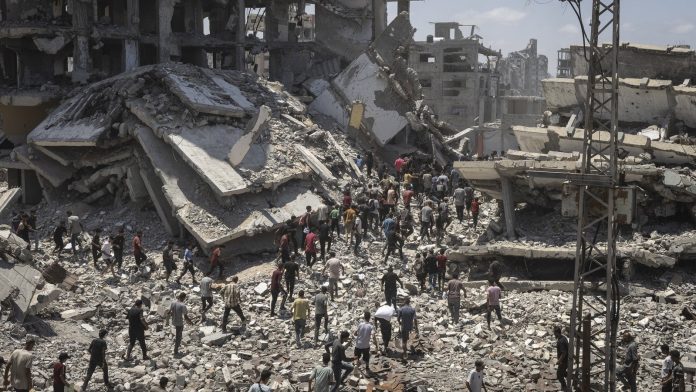
Israel strikes Gaza hospital, moves forward with displacement plans

Israel attacks Gaza hospital, advances displacement plans
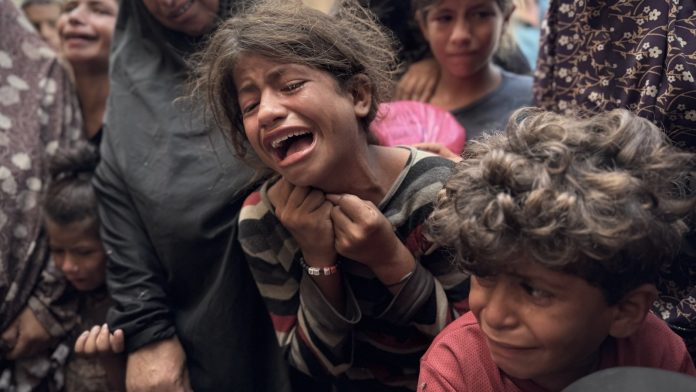
Relatives of those killed in Israeli attacks on different parts of the Khan Younis mourn as the dead bodies are taken from the Nasser Hospital

The Heartbreaking Toll of War in Gaza: Lives Lost, Homes Shattered, and a Plea for Humanity

In the stifling heat of Gaza City, where ancient stone walls stand witness to stories old and new, a fresh chapter of suffering is being etched in the blood and rubble of a hospital courtyard.

At least seven souls, civilians like you and me, were taken abruptly by an Israeli drone strike that tore through the fragile courtyard of Al-Ahli Baptist Hospital. This is not just a headline—it’s a human catastrophe unfolding in real time, far from the sterile confines of statistics. Relatives mourn desperately, clutching photos and memories, grappling with a pain no war can justify.

A Day Marked by Devastation

The Gaza civil defence agency has painted a grim snapshot: 18 people killed in the latest series of Israeli attacks peppering the enclave. Among these were seven individuals gunned down while waiting for something so basic—a meal from food aid distribution points.

Imagine standing in line with hungry children, vulnerable elders, hoping just for a morsel, and instead becoming targets. “It’s a nightmare made real,” says Fatima, a mother from Al-Zeitun neighborhood, her eyes haunted but defiant. “We don’t want war. We just want to live.”

Forced Exodus: A Cruel Strategy or Necessary Precaution?

Amidst the thunderous roar of jets and pounding artillery, Israel has initiated plans to relocate Palestinians from Gaza City to the southern parts of the territory. Over a week ago, Israel’s security cabinet approved this controversial move—a sweeping military strategy aimed at seizing control of Gaza City, the most densely populated and symbolic heart of Palestinian life.

While the Israeli military distributes tents and shelter supplies, the people forced to leave their homes face a terrifying uncertainty. Where does one find safety when the very ground beneath their feet shifts like quicksand?

International law experts warn that such forced movement within occupied territories violates fundamental human rights and may constitute collective punishment. “Evicting entire populations without providing safe corridors or addressing humanitarian needs escalates a crisis into a catastrophe,” says Dr. Lara Haddad, an international law professor based in Amman.

Meanwhile, Hamas has condemned the relocation as “a new wave of genocide and displacement,” denouncing Israel’s delivery of tents as a cynical ploy—a fragile veil covering deeper horrors.

The Silent Hunger: Statistics of a Hidden Tragedy

Beyond the bullets and bombs, Gaza struggles against a relentless siege of starvation. Gaza’s health authorities report that the number of hunger-related deaths has climbed to 258, including 110 children—innocent lives snuffed out by malnutrition and famine.

In just the past 24 hours, another seven perished from hunger’s slow, cruel grip, including two children. Ten-year-old Amina’s story is emblematic—her parents both lost, she wanders the streets searching for food amidst collapsing neighborhoods.

UNRWA, the United Nations agency serving Palestinian refugees, has sounded a clarion call: over one million women and girls face escalating threats—mass starvation, violence, and abuse. “Hunger is a weapon,” says UNRWA spokesperson Mia Haddad. “It forces people to make impossible choices: risking their lives, venturing beyond to search for food or water, exposed to violence and death.”

Gaza City’s Zeitun district is a miserable bellwether of this suffering. Its 50,000 residents mostly endure their days without access to essentials. Mahmud Bassal, Gaza’s civil defence spokesperson, recounts the agony: “People are trapped—no food, no water, no shelter from looming airstrikes. It’s desperation that doesn’t sleep.”

Echoes of a Larger Conflict: The War’s Wider Impact

This latest flare-up stems from the Hamas attack on Israel in October 2023, which claimed 1,219 Israeli lives. Since then, Israeli forces have responded with overwhelming force, killing over 61,000 Palestinians across Gaza, according to Gaza health ministry figures endorsed by the UN.

The result? A protracted siege and ground incursions that have left Gaza’s infrastructure in ruins and hope in scarce supply. The approved plan to seize Gaza City, and the ensuing bombardments, have pushed an already fragile region to the brink. The displacement, the deaths, and the hunger are symptoms of a brutal cycle where violence begets more violence.

One cannot read these facts without confronting the broader themes at play: the balance of security and human rights, the tragedy of collective punishment, and the urgent need for humanitarian diplomacy in a conflict too often reduced to news bytes and political rhetoric.

The Voices Rising for Peace: Protest and Resolve in Israel

Meanwhile, across the border in Israel, voices are rising—not just in war cries, but in calls for peace. Thousands have taken to Israel’s streets, demanding an end to the bloodshed in Gaza, a ceasefire, and the release of hostages still held by militants.

The protests pulse with raw urgency: they are not merely political—they are profoundly human. Doron Wilfand, a 54-year-old Jerusalem tour guide, stands among the crowd, his voice steady yet weary: “All this war has done is deepen wounds. It’s time for healing, for the release of hostages, and for a future where our children need not fear.”

Yet even here, divisions run deep. Far-right politicians slam these demonstrations, accusing protesters of empowering Hamas and risking Israeli security. The tension mirrors the complexity of the conflict itself—a web of fear, trauma, and deep-seated mistrust.

What Lies Ahead? A Call for Compassion and Reflection

As dusk settles over the battered streets of Gaza City and the fervent chants fill squares in Tel Aviv, one is confronted by a profound question: who will remember the mothers, the children, the innocents caught in the crossfire? Who will ensure that amid the politics and power plays, humanity reigns?

Each statistic in this ongoing tragedy represents a story—a life with dreams, hopes, and a right to peace. And amid the chaos, one must ask: How do we, as a global community, respond? What responsibility do we bear to protect life and dignity, to insist on justice, and to demand an end to violence?

The bombs will eventually cease. Homes will need rebuilding. But the scars on the human soul endure much longer. It’s time to listen—not only to reports and figures but to the voices of those living this nightmare. Their stories compel us to hold fast to empathy and to work tirelessly for a world where such suffering is no longer allowed to take root.

Maareeyihii Dekeda Muqdisho oo xilka laga qaaday, mid cusubna lasoo magacaabay

Aug 18 (Jowhar)-Madaxweynaha Jamhuuriyadda Federaalka Soomaaliya ayaa wareegto Madaxweyne ku magacaabay Amb. Maxamed Cali Nuur (Ameeriko) inuu noqdo Maareeyaha cisub ee Dekedda Muqdisho.

Several Palestinians evacuate Gaza City before impending military operation

Some Palestinians leaving Gaza City ahead of offensive
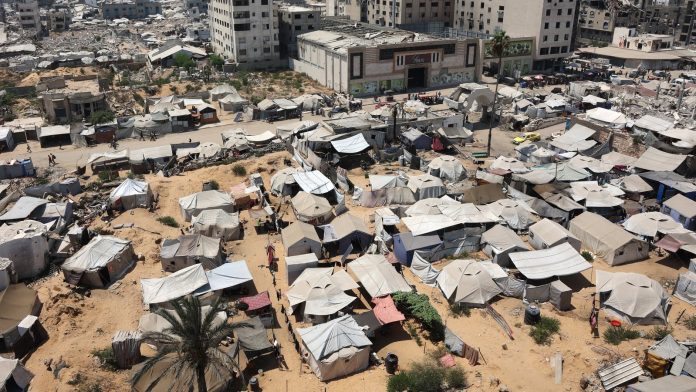
A view of tents housing displaced Palestinians in Gaza City today

On the Brink: Gaza City’s Families Brace for the Storm

The sun sets over Gaza City, painting the sky in hues of rose and ash. But amid this beauty lies a city holding its breath—facing a terrifying prospect that has transformed streets into deserts of fear and uncertainty. With the drumbeat of war intensifying, Palestinian families are quietly uprooting themselves, abandoning their homes in the eastern neighborhoods that have become targets of relentless Israeli bombardments.

It’s not just a wave of displacement—it’s a desperate bid for survival. “We left before the shelling got louder, before our homes became tombs,” shared Fatima, a mother of three who recently fled her neighborhood. “We’re moving west, where there’s still hope, even if fragile.”

The Heart of the Battle: Gaza City, a Last Bastion

Israeli Prime Minister Benjamin Netanyahu has carved a stark narrative: Gaza City is Hamas’ final stronghold. The iron grip this militant group has exerted over the city complicates the reality on the ground. Already, Israel controls an estimated 75% of the Gaza Strip, but a move to seize Gaza City itself carries enormous risks and weight.

Military officials warn of what might be the opening act of a protracted and deadly guerrilla conflict, one that could entangle soldiers in a tangled cityscape rife with danger, while hostages remain trapped in its pockets.

Around the world, this impending offensive has stirred deep anxiety and voices of conscience. Tens of thousands of Israelis, a swelling tide of humanity that has grown since the war’s inception, took to the streets in protest. “We want peace. The hostages need to come home. But at what cost?” asks Yael Stern, one of the demonstrators who marched in Tel Aviv. “Our government must find a way, before this becomes a bloodbath.”

Diplomatic Chess: The Delicate Dance of Ceasefire Talks

Behind closed doors in Cairo, diplomats from Egypt and Qatar are circling, negotiating fervently in what could be the last-ditch push to stave off a broader invasion. The mediation efforts, shrouded in secrecy, remain tantalizingly close yet painfully out of reach.

A source close to the talks revealed, “Hamas is willing to discuss a US-backed 60-day truce and the partial release of hostages, but they want a broader agreement that addresses the war itself. It’s a high-stakes negotiation.”

Israel insists on a full release of hostages and a complete disarmament of Hamas, demands the militant group rejects in equal measure—asking the international community to weigh the deep chasms in their narratives and motivations.

Voices from Gaza: The Cry for a Break in the Storm

Meanwhile, within Gaza City itself, hope flickers in protests organized by union groups demanding an end to the carnage. Social media buzzes with pledges of solidarity and participation, a grassroots call for an end to both the war and the suffering that has shredded families and dreams alike.

Omar, a young teacher in Gaza City, explains: “We are exhausted. Every building that falls, every life cut short, tears apart our future. If these protests can pressure Hamas to open talks, if even a silence can be found, it’s worth trying.”

An armored Israeli thrust into Gaza City threatens not just the militants but could displace hundreds of thousands more innocent civilians. Many have been forced to flee and regroup multiple times during this conflict, making the nightmare nearly unendurable.

The Logistics of Fear: Shelter in a City Torn Apart

Alongside the human toll is the stark reality of shelter and survival. The Israeli military has announced preparedness to provide tents and shelter equipment to those evacuated toward southern Gaza. But the scale is overwhelming.

Mohammad Abu Jayyab, a Palestinian economist and aid coordinator, estimates that “at least 100,000 new tents will be needed if a major offensive begins, or if Gaza City’s entire population is ordered to evacuate.”

He points out a grim truth: “Existing tents have worn thin, battled floods, storms, and worse. New supplies are scarce, blocked at border crossings under restrictions.”

Already, families shadowed by the repeated cycles of violence are tactically relocating—renting spaces in the south, transporting what belongings they can. “You learn to expect the worst and hope for the best,” Mohammad reflects.

For those who stay, the streets are lined not only with debris but with the weary faces of people clinging to resilience amid ruin. The United Nations humanitarian office recently highlighted that 1.35 million Gazans are in desperate need of emergency shelter—a staggering majority of the population.

Numbers Behind the Tragedy: A Sobering Toll

This conflict’s scale defies comprehension. Since Hamas launched its attack on Israel on October 7, 2023, taking 251 people hostage, the death toll has surged on both sides. As of today:

  • 257 hostages remain missing or captive in Gaza, with the Israeli military confirming 27 dead among them.
  • 1,219 Israelis have died, most civilians, since the initial assault, according to official tallies.
  • Over 61,944 Palestinians, largely civilians, have fallen in Israeli strikes, according to Gaza’s Hamas-run health ministry’s data, regarded as the best available by the UN.
  • 263 Palestinians, including 112 children, have succumbed to malnutrition and starvation since the war erupted.

These numbers don’t just represent data—they stand for lives ruptured, families shattered, futures extinguished.

Looking Ahead: What Lies Beyond the Horizon?

As you read this, the tension in Gaza City is palpable, a fragile wound open to the possibility of deeper devastation. What future awaits the families now bracing for an offensive they can barely imagine?

Can diplomacy find a path forward, or will the spiraling violence consume an entire generation? And perhaps most importantly, how do we—those watching from afar—respond to a crisis that tests the very essence of human resilience and justice?

From the dusty alleyways of Gaza to protest lines in Tel Aviv, from negotiation rooms in Cairo to the homes now empty and waiting—this is a story of human endurance amid desperate gambits for peace.

For those of us with the privilege to observe and narrate, it is a solemn call: to see beyond the headlines, to hear the voices wagging on every street corner and inside every makeshift shelter, and to reckon with the shared humanity that implores us all to search harder for peace in the region.

What would you do if your home became a frontline? When is enough, truly enough? These questions linger, heavy and unresolved, as Gaza City stands at the crossroads of history and hope.

‘Cambridge Dictionary Includes New Words: “Tradwife” and “Delulu”’

'Tradwife' and 'delulu' added to Cambridge Dictionary
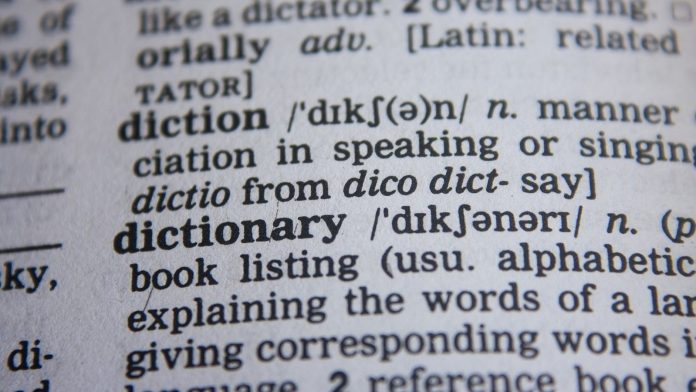
Words popularised by Gen Z and Gen Alpha including 'skibidi', 'delulu', and 'tradwife' are among 6,000 new entries to the online edition of the Cambridge Dictionary over the last year

The Language of a Generation: How Gen Z and Gen Alpha Are Reshaping English

Step aside, Shakespeare — the English language is evolving faster than ever, propelled by the dynamic energies of Gen Z and Gen Alpha. If you’ve ever scrolled through TikTok or Instagram, you might have caught yourself stumped by terms like “skibidi,” “delulu,” or even “tradwife.” These aren’t just quirky internet slang; they’re the new vernacular, now officially recognized by the Cambridge Dictionary, which has welcomed over 6,000 new entries in its latest online update.

Let’s take a moment to appreciate this linguistic revolution. Language is a living creature, constantly shaped by cultural shifts, technological strides, and the whims of human creativity. Today’s digital natives are not just users of language but powerful architects of fresh expressions, idioms, and memes that reflect their way of life, values, and social dynamics. And this influence is so substantial that prestigious language authorities are taking notice.

From Meme Culture to Mainstream: How “Skibidi” and “Delulu” Made the Cut

Imagine scrolling through endless social media videos when you suddenly hear the word “skibidi” — a playful and sometimes nonsensical term that bursts with internet energy. “It’s a word with multiple meanings,” explains Jane Thompson, a cultural linguist at the University of Oxford. “It can mean ‘cool,’ ‘bad,’ or sometimes it’s just a nonsense filler — context is everything.” This gibberish word is inseparably linked to the viral “Skibidi Toilet” YouTube channel, emblematic of the “brain rot” phenomenon — fast, attention-grabbing content that enthralls Gen Alpha’s screen-dominated existence.

Then there’s “delulu,” a slang shortened from “delusional,” but with an intriguing twist. It’s not clinical; it’s informal and tinted with humor — often describing the willful suspension of reality. Think of someone staunchly convinced their favorite celebrity will marry them someday, no matter how improbable. Australian Prime Minister Anthony Albanese even dropped “delulu with no solulu” in a 2025 parliamentary speech, showcasing how these phrases can bleed into unexpected corners of discourse.

“Language always reflects societal undercurrents,” notes McIntosh, the Cambridge Dictionary’s Lexical Programme manager. “Adding words like ‘skibidi’ and ‘delulu’ is not just linguistic validation but an acknowledgment of how internet culture sways communication, identity, and creativity. These words might seem ephemeral, but they carry insights into how younger generations perceive and interact with the world.”

The Power and Politics of “Tradwife”

Another fascinating addition is “tradwife”—a portmanteau of “traditional wife.” Far from a harmless nostalgic label, tradwife represents a complex and sometimes controversial trend sweeping through Instagram and TikTok feeds worldwide. Rooted in embracing conventional gender roles, it often evokes impassioned debates around feminism, cultural norms, and personal choice.

Lisa Martinez, a sociologist focusing on gender studies, describes it this way: “The ‘tradwife’ movement is less about a monolithic ideology and more about reclaiming agency in defining one’s role. For some, it’s empowering. For others, it’s a regressive backlash. The online platforms amplify these identities, allowing them to flourish and clash simultaneously.”

Walking through neighborhoods in cities like Melbourne or Los Angeles, you might even hear murmurs of “tradwives” hosting community tea gatherings or sharing homemaking tips on digital boards. It’s an intersection of lifestyle, politics, and social media presence that embodies the paradoxes of modern identity.

A Lexicon for an Online Era

Beyond these standout terms, the dictionary’s update incorporates a slew of other vibrant expressions shaping our daily vocabularies:

  • Lewk: A playful twist on “look,” originating from RuPaul’s Drag Race, used to describe a distinct fashion or makeup style that defies convention.
  • Inspo: Short for “inspiration,” frequently exchanged in social feeds to signal creativity or motivation.
  • Mouse jiggler: A cheeky term born from the remote work culture, referring to tools or tricks people use to simulate activity on their computers when they might be taking a break or avoiding certain tasks.
  • Forever chemical: A sobering phrase referring to man-made chemicals that persist in the environment—reflecting growing global anxieties about irreversible damage to ecosystems and human health in the face of climate change.

Each of these terms carries a story, a cultural context that illuminates shifts in work, identity, environmental awareness, and entertainment.

The Larger Picture: Language as a Mirror to Society and Technology

What does this linguistic update tell us beyond mere novelty? It paints a vivid panorama of how the internet revolutionizes human interaction and expression. Consider this: by 2023, more than 90% of Gen Alpha and Gen Z worldwide regularly consume digital content, often cultivating identity and social ties in virtual spaces. This immersion inevitably leads to new word creations that ripple beyond screens into text messages, conversations, and even political dialogue.

It also poses intriguing questions about language preservation and evolution. Are traditional forms threatened by the rapid influx of slang? Or does this democratization enrich the linguistic tapestry? Heather Robinson, an expert in digital culture, advises, “Instead of fear, we should celebrate adaptability. Language does not belong to any one generation—it is a shared, ever-changing tool.”

Moreover, terms like “forever chemical” remind us that language is not just playful; it’s essential in educating and mobilizing the public on critical issues. When a phrase gains mainstream traction, it shapes awareness and policy discussions, bridging the gap from expert jargon to everyday understanding.

Inviting You to Listen and Reflect

Have you encountered these terms in your digital or real life? How do they color your perception of the younger generations? This lexicon isn’t just words—it’s a cultural document, reflecting the hopes, struggles, humor, and activism of today’s youth.

To me, these new dictionary entries feel like a musical composition written by an orchestra of young speakers, remixing the old with the new. Each word is a note telling stories of meme culture, global challenges, gender dynamics, remote living, and environmental consciousness.

As we race further into a digital future, I invite you to embrace this linguistic kaleidoscope with curiosity. What new words will you add to your personal dictionary tomorrow? What stories could you tell through the language you use? Perhaps understanding this evolving vocabulary can bridge generations, helping us all communicate more vividly in a rapidly shifting world.

After all, isn’t language ultimately the heartbeat of human connection?

Three individuals fatally shot at Brooklyn bar – NYPD

Three people killed in Brooklyn bar shooting - NYPD
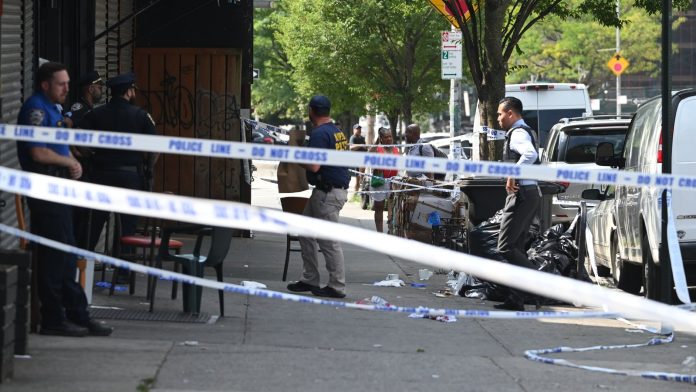
Investigators believe one or more people opened fire at a bar in Crown Heights

Chaos in Crown Heights: A Night Shattered by Gunfire

In the early hours of a quiet spring morning, the vibrant neighborhood of Crown Heights in Brooklyn was rocked by a tragic eruption of violence. What began as an ordinary night at the Taste Of The City Lounge—a beloved local spot known for its warm atmosphere and eclectic crowd—turned into a nightmare when gunshots ripped through the air just before 3:30 a.m.

Three men lost their lives, and eleven others were rushed to hospitals with injuries, some serious, others thankfully non-life-threatening. The shooting has shaken residents, neighbors, and visitors alike, leaving the community grappling with shock and sorrow.

A Dispute Escalates to Tragedy

According to the New York Police Department (NYPD), the shooting was triggered by what officials described as “a dispute” inside the packed bar. But in moments, voices raised in anger transformed into a cascade of bullets.

Jessica Tisch, the NYPD commissioner, spoke somberly at a midday press conference, “This was a terrible shooting that occurred in the city of New York. Our officers recovered at least 36 shell casings from the scene, along with a firearm found nearby. We’re working to piece together exactly how this unfolded.”

The victims’ ages range widely—from 27 to 61—reminding us that tragedy does not discriminate, and that a single act of violence can ripple through generations and families.

Crown Heights: A Community in the Crosshairs

Crown Heights is a neighborhood with a rich tapestry of culture and history. Known for its Caribbean influences, annual West Indian Day Parade, and a blend of Black and Hasidic Jewish communities, the area is often celebrated for its resilience and vibrant street life. The Taste Of The City Lounge is one of the many local establishments where residents gather to unwind, to share stories, to make memories.

Maria Thompson, who runs a small café just across the street from the lounge, shared her feelings: “This place is like the heart of our community. People come here after work, to celebrate birthdays, just to be with friends. To hear about the shooting… it’s heartbreaking. We never expected this kind of violence in our neighborhood, especially after all the work people have done to make it safer.”

Against the Tide: A Record Low Year for Gun Violence

Ironically, this brutal act of violence comes amid an otherwise promising trend. Seven months into this year, New York City is on track to see the lowest number of shootings and shooting victims on record. Commissioner Tisch highlighted this rare positive development, noting, “We have the lowest numbers of shooting incidents and shooting victims seven months into the year that we’ve seen on record in the city of New York.”

So then, how does a city near historic lows in gun violence end up confronting such a dark moment? It’s a question city officials and residents alike are wrestling with. Commissioner Tisch was candid: “Events like this are, thankfully, anomalies. But that does not lessen the pain and the urgency with which we must act. We will not rest until we understand what happened and prevent this from ever happening again.”

The Human Toll: Faces Behind the Statistics

Statistics often numb us: numbers stacked in columns, percentages over months and years. But here, in Crown Heights, gun violence is personal. Each life lost and every injury inflicted represents friends, family members, and community threads torn in two.

Jamal Carter, a local teacher and mentor to youth in the area, put it plainly: “It’s not just numbers. These are my neighbors. It’s people I saw at the store yesterday, or the young folks I coach basketball with. We can’t let these moments define us, but we also can’t pretend they’re acceptable.”

Public health experts emphasize that gun violence in urban settings thrives amid systemic challenges: poverty, lack of access to education and mental health resources, and fractured social networks. Organizations like the Violence Intervention Program and Cure Violence have been working tirelessly in neighborhoods like Crown Heights, using community-driven approaches to interrupt the cycles of retaliation and trauma.

What Could Come Next?

As the city mourns, the investigation will unfold, peeling back the layers of that fateful night. And beyond that, the community must confront the larger, more complex question: how does a bustling metropolis protect its soul from the scourge of gun violence?

New York City, with its sprawling diversity and labyrinth of stories, stands at a crossroads. Every shooting is a painful reminder that despite progress, work remains. Some will argue for tougher policing; others call for deeper investment in social services and education. The truth might lie somewhere in between.

Reflections Beyond Brooklyn

Looking at Crown Heights from afar, one might ask: How do cities worldwide balance the promise of vibrant nightlife and public gathering spaces with the imperative of safety? In cities from London to São Paulo, urban planners, policymakers, and activists are wrestling with this challenge daily.

What role do economic disparities play? How important are community bonds and local leadership? And how can cities cultivate environments where disputes are resolved without violence?

For readers anywhere in the world, this story invites us to reflect on the fragility of peace and the profound resilience of communities confronting trauma.

A Call to Care and Action

As we wait for answers from law enforcement, let’s also listen to the voices of Crown Heights. Let their grief, their rage, and their hopes become part of a larger conversation about what safety truly means.

Imagine a night out, a neighborhood bar full of laughter and light. Now imagine it shattered—not just by bullets, but by fractured systems and unanswered questions. Which world will we choose to live in?

This shooting was a dangerous anomaly—but as we reflect on that reality, what lessons can it teach us about vigilance, compassion, and community? How do we hold the memory of those lost while working tirelessly toward a future where such stories become relics of the past?

For Crown Heights, the city, and beyond, the journey is just beginning.

Dowladda Japan oo warqadaha safiirnimo ka gudoontay Amb. Hodan Cismaan

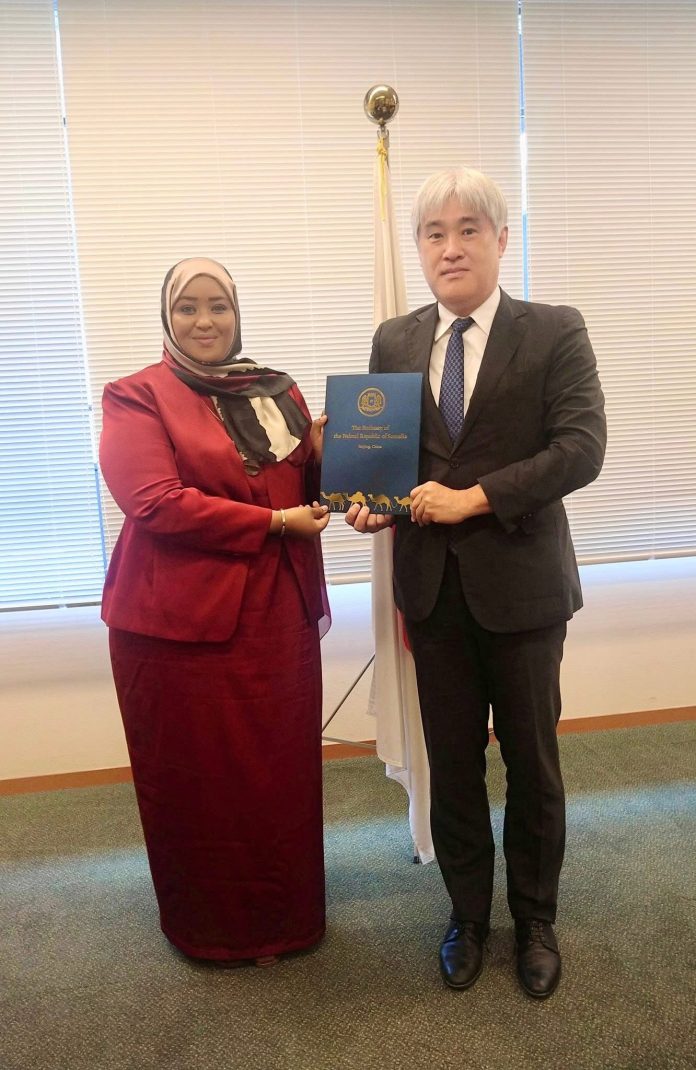
Aug 18 (Jowhar) Dowladda Japan ayaa si rasmi ah uga guddoontay waraaqaha aqoonsiga danjirenimo ee Amb. Hodan Cismaan, oo ah safiirka cusub ee Soomaaliya ee dalkaas. Amb. Hodan Cismaan ayaa sidoo kale ah danjiraha Soomaaliya ee Shiinaha.

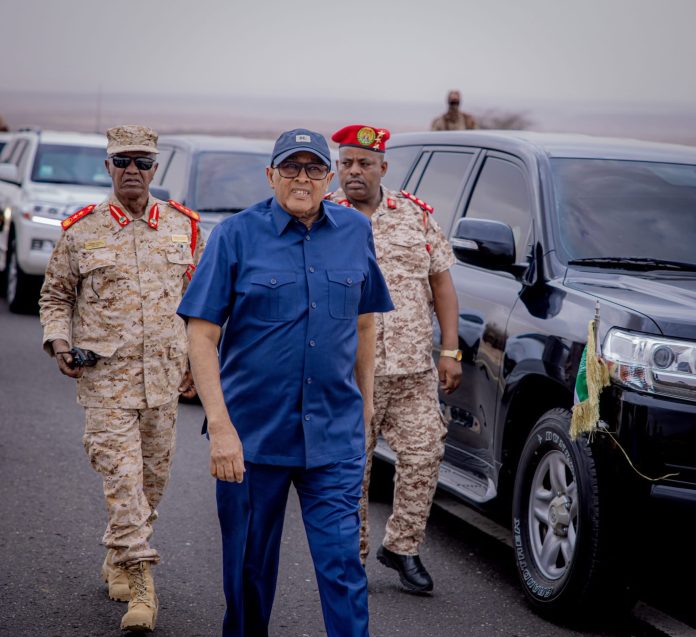
Madaxweyne Cirro oo booqday magaalada Berbera oo Mareykanka saldhig Milatari ka sameysanayo

Aug 18 (Jowhar) Madaxweynaha Somaliland Cabdiraxmaan Cirro ayaa tagay magaalada muhiimka ah ee Berbera, oo ay Mareykanka doonayaan in ay ka sameystaan dhawaan Saldhig Milateri, iyadoo uu Cirro fuliyey balan-qaadkisii xiligii ole-olaha ee magaaladan kuwajahnaa.

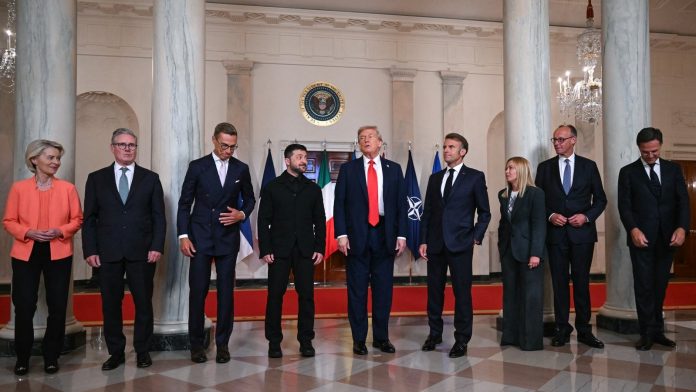
Hoggaamiyeyaasha Yurub oo ku biiraya kulanka Zelensky iyo Trump ee Aqalka Cad

Aug 18 (Jowhar)Hoggaamiyeyaasha Yurub ayaa sheegay iney ku biirayaa  kulanka uu Madaxweynaha Ukraine Volodymyr Zelensky uu maanta oo Isniin ah Aqalka Cad kula yeelanayo Madaxweynaha Maraykanka Donald Trump.

How the Israeli press is reporting on the conflict in Gaza

Israel steps up Gaza attacks, with 123 killed in 24 hours
Israel has said it plans to take full control of Gaza City

The Invisible Frontline: How Israeli Media Portrays Gaza’s Humanitarian Crisis

In an age where global news permeates every home through the relentless buzz of screens and social media feeds, the horrors unfolding in Gaza have gripped the world’s collective conscience. The images are tragic and unforgettable: emaciated children clinging to fragile hope, bloodstained body bags laid out in morgues, survivors navigating the rubble of a fractured existence. Yet, amid this global outcry, a quieter, more complex story brews—one about silence and selective vision within Israel itself.

How does a nation that is so physically proximal to Gaza—with its families, with its sounds and pain—choose to report, or not report, this humanitarian catastrophe internally? For many in the West and beyond, the immediacy of the Gaza crisis feels omnipresent. But inside Israel, the narrative is markedly different.

A Media Wall of Silence

Orly Halpern, a seasoned freelance journalist who has navigated the Israeli media landscape for most of her life, offers a candid assessment: “For the most part, it simply isn’t being covered.” She leans back, her voice tinged with frustration as she describes the paradox confronting Israelis who tune into their domestic news.

“What they see are images of Israeli soldiers and the widespread destruction in Gaza, but almost never any direct voices or faces of Palestinians,” she explains. “You don’t see Palestinians. You don’t hear Palestinians. It’s as if they do not exist.”

Halpern’s observations resonate deeply with the wider reality of Israeli media coverage, which often skirts the humanitarian narratives from the ground in Gaza. Instead, the focus is skewed towards military operations, security concerns, and the suffering of Israeli civilians, particularly those taken hostage in recent violent incursions.

“There’s a collective reluctance,” she continues thoughtfully, “to confront the uncomfortable truths about what their own military and government actions have wrought. It’s easier, safer, emotionally less threatening to consume the narrative that places the blame squarely on Hamas.”

The Hunger Crisis: A Grim Reality Marginalized

The United Nations has issued urgent warnings about Gaza’s spiraling catastrophe—families grappling with starvation, deprivation compounded by war. The hunger crisis here is no abstract tragedy; it is a brutal daily reality. Yet, in Israeli broadcasts, stories that expose this suffering are few, and when they appear, they are frequently framed to invoke suspicion or disdain.

Halpern recalls one particularly jarring reportage moment: “When you see desperate Gazans crowding aid trucks, the narrative often suggests they are desperate ‘like animals’—stripping away their humanity instead of highlighting their dire need.”

Such framing tacitly reinforces divisive perceptions and dissolves empathy, pushing viewers to dismiss the Palestinian civilian toll as collateral consequences rather than urgent moral concerns.

The Rise of Channel 14: Echoes of Hardline Nationalism

In this media landscape dominated by caution and selective storytelling, a new player has risen—Channel 14, an ultra-nationalist TV outlet backed by political heavyweights like Prime Minister Benjamin Netanyahu. It is fast crowding out traditional channels to become Israel’s second-most-watched news source, according to Reporters Without Borders.

Channel 14’s approach is stark: aggressive rhetoric and blunt nationalist messaging that frequently overtly dehumanizes Palestinians. Host Shimon Riklin’s chilling on-air declaration, “We should supply them with neither water nor electricity. Let them drop dead in there!” exemplifies a visceral rage seeping into mainstream discourse.

While Channel 14 vehemently denies allegations of incitement or promoting violence, their fervent editorial line reveals a dimension to Israel’s internal media conversation—a channel where anger, grief, and uncompromising political stances converge.

The Voice in the Wilderness: Haaretz’s Persistent Journalistic Integrity

Against this backdrop, there is one media institution that holds a contrasting position: Haaretz, Israel’s oldest daily newspaper. Though its readership is comparatively modest, its influence—domestic and international—is profound.

Haaretz does not shy away from exposing the grim layers beneath the conflict, highlighting Palestinian suffering and scrutinizing Israeli military conduct with rare candor. Columnist Gideon Levy voices the frustration of many independent observers:

“This is not about politics; it’s about professional journalism. If you open any mainstream Israeli media, you’d believe Gaza is inhabited only by hostages—nothing else, no victims, no human cost,” Levy criticizes with palpable indignation.

His disdain for the broader media’s selective blindness echoes the urgency of a deeper reckoning. He refuses the common explanation that censorship stifles this coverage, saying instead it is a voluntary choice, a collective appeasement to a fearful or unwilling audience.

“We used to mock Russian media for their coverage of Ukraine,” he points out, “but Israeli media is worse because it is free to publish. They just choose not to.”

Silenced But Not Defeated: Intimidation Shadows Press Freedom

Freedom of the press in Israel is increasingly fraught, though the restrictions are less overt and brutal than in some countries. Dr. Ayala Panievsky, a researcher at City, University of London specializing in media censorship, describes a more insidious form of suppression.

“There’s no storming of newsrooms or imprisonment—yet—but the threat is real,” she warns. “Journalists face financial pressures, lawsuits, and an atmosphere of public hostility orchestrated through government allies. The climate fosters self-censorship.”

This observation is supported by Reporters Without Borders, which reports Israel’s decline in the 2023 World Press Freedom Index, slipping from 86th to 112th place amid rising disinformation and repression, particularly for Arab and foreign journalists operating within the country.

Between National Trauma and Social Complicity

What keeps the Israeli media from fully embracing the picture of Gaza’s suffering? Dr. Panievsky suggests that the traumatic events of October 7, when Hamas-affiliated militants murdered civilians and took hostages in brutal attacks, profoundly shape national consciousness.

“Israeli media excellently covers Jewish suffering. That’s the story they tell—a comprehensively reported tragedy that grips hearts. But the other side, the Palestinian side, recedes into shadow,” she reflects. “In war, empathy is selective. But ignoring these victims impedes truth and healing.”

Orly Halpern adds a personal dimension to this collective denial. “Most Israeli men serve reserve duties into their 40s. It’s hard to face the full implications of the war when you are personally tied to it. People want to believe they are doing right, even if deep down they sense the cost.”

She quotes a haunting Hebrew expression—“יורים ובוכים (shoot and cry)”—that captures Israel’s conflicted reality: the simultaneous infliction of harm and emotional sorrow. Yet, she mournfully confirms, “Now, mostly, we’re just shooting.”

Reflections: What Does It Mean to See, to Acknowledge, to Report?

For global observers, the Israel-Gaza conflict often unfolds as a cascade of statistics and statements—232 days since the latest flare-up, thousands dead, millions displaced. But how often do we stop to ask: what stories remain untold? What faces remain unseen? Why do even close communities sometimes choose blindness?

The Israeli media’s paradox reveals a universal tension: how do societies balance nationalism, trauma, and truth? How do they reconcile identity with accountability? How does the story of one people’s suffering overshadow or suppress others? This isn’t just a tale about Israel or Gaza—it’s a cautionary reflection on the human condition in conflict.

Perhaps understanding this media silence is an invitation to each of us—to seek the missing voices, to approach headlines with nuanced curiosity, and to remember that in every conflict, the human cost extends beyond borders and broadcast limits.

Key Takeaways

  • Israel’s mainstream media largely avoids humanizing Palestinians or covering the full humanitarian crisis in Gaza.
  • Ultra-nationalist outlets like Channel 14 amplify aggressive rhetoric, fueling polarization.
  • Haaretz offers critical, empathetic reporting but faces political and economic pressures threatening its independence.
  • Formal censorship is limited, yet political intimidation and financial threats foster self-censorship among journalists.
  • National trauma and military service contribute to public reluctance to confront uncomfortable truths.
  • Globally, this media dichotomy underlines challenges in reporting conflict with balance, empathy, and transparency.

So, as we scroll and click in the comfort of our homes far from the frontline, let us ask ourselves—what narratives do we embrace? Whose stories are we hearing? And what might be the cost of choosing not to look?

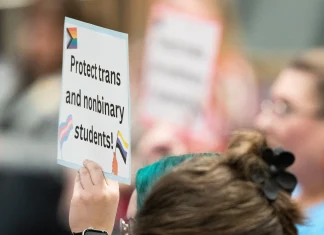
US limits rights settlements for transgender students

U.S. moves to curb settlement agreements safeguarding transgender students’ rights

0
The Quiet Undoing: What the Education Department’s Move Means for Transgender Students On a sunlit playground in Sacramento a few weeks ago, a small cluster...
Artemis crew flies further than humans have gone before

Artemis astronauts reach farthest distance ever traveled by humans

0
When Humankind Stretched a Little Further There are moments that feel like they belong to everyone at once: a sudden hush, a collective intake of...
Australia's most decorated soldier on war crimes charges

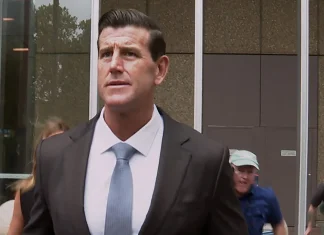
Australia’s most decorated veteran charged with alleged war crimes

0
A nation holds its breath: the arrest of Australia’s most decorated soldier The sharp, fluorescent glare of Sydney Airport’s arrivals hall softened into a different...
Israeli military tells people in Iran to avoid trains

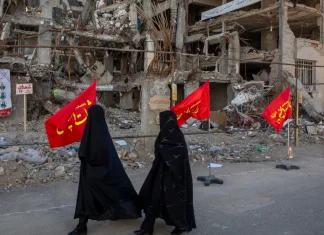
Israel’s military warns Iranians to avoid using train services

0
When a Warning Crosses Borders: The Night Phones Told Iranians to Avoid Trains It was a warm evening in Tehran — the kind where the...
Iran defiant on eve of Trump's ceasefire deadline

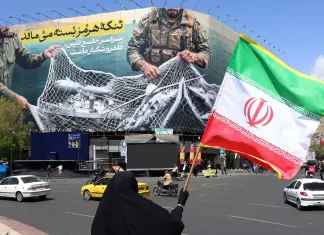
Iran Refuses to Back Down as Trump’s Ceasefire Deadline Looms

0
The Midnight Deadline: A Strait, a Threat, and a World Holding Its Breath By the time dawn bled pale over the Persian Gulf, a strange...