With drought tightening its grip on Panama, the country’s vital canal may have to accept even fewer ships in the months ahead, the newly appointed administrator of the waterway has warned, as El Niño drives down the rainwater the system depends on.
Panama has declared a nationwide emergency over El Niño, a phenomenon developing over the Pacific Ocean that is affecting worldwide weather patterns and pushing up global temperatures.
This year’s El Niño is expected to be the strongest since record-keeping began four decades ago.
The warning comes at a moment of rising demand for the Panama Canal. Shippers have been looking for alternatives to the Strait of Hormuz, which Iran has blocked in retaliation for the war launched by the United States and Israel.
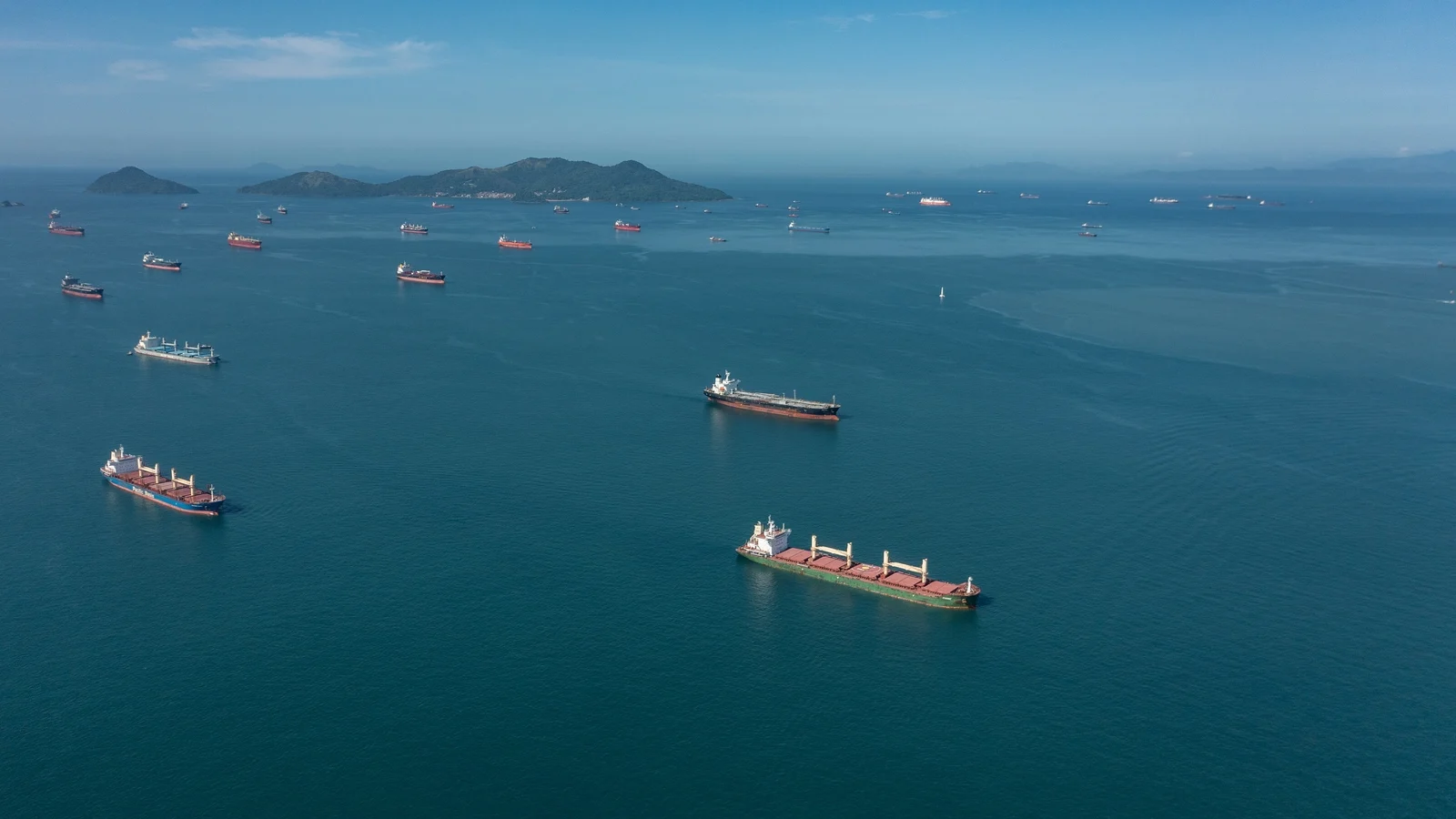
The interoceanic Panama Canal – which handles five percent of global maritime trade – has already cut the maximum number of ships permitted to transit each day, dropping the cap from 36 last month to 32 by mid-September.
Operations hinge on rainwater stored in two reservoirs, and those levels have fallen as El Niño conditions take hold.
Without enough water, the locks that raise and lower vessels at either end of the passage cannot operate.
Ilya Espino de Marotta, who today took over as head of the Panama Canal Authority, said additional steps could follow if the dry spell continues.
“We do not rule out the possibility that in February or March we may have to lower the limit – probably not to 24 slots per day, but it could be reduced to 29 or something similar,” she said.
Every ship transit consumes about 200 million liters of water, which is then released into the sea.
In 2023, El Niño forced authorities to slash daily crossings from 38 to 22 as reservoir levels dropped sharply.
Ms Espino de Marotta – the first woman to lead the US-built canal authority – said she does not anticipate controls falling back to the depths seen in that year.
This year’s El Niño is expected to be the strongest since record-keeping began four decades ago
Beyond limiting the number of vessels, the canal has also lowered the maximum allowed draft from 15.2 meters to 14.6 meters.
Draft refers to the vertical distance from the waterline to the lowest point of a ship’s hull, indicating how much depth a vessel needs to float safely without scraping bottom.
Specialists have cautioned that if constraints persist, the knock-on effects could include higher shipping costs and longer waits for goods to arrive.
The United States and China are the canal’s main customers, using it as the fastest sea route linking the US east coast with China.
The Atlantic-to-Pacific passage carries roughly 40 percent of US container traffic.
Traffic has also been boosted by the Iran war.
With shipping at a standstill in the Strait of Hormuz – a corridor that normally carries a fifth of the world’s oil and gas – the Panama Canal has emerged as a backup route for energy cargoes.