Stormy Ballots: Portugal Votes in a Run-off as Gales and Politics Collide
The morning felt like the end of a long, bruising winter. Waves slammed the seawalls; gulls fought the wind above the harbor; and, in a small school gym converted into a polling station, a woman in a bright yellow raincoat shook her umbrella free of salt and mud before she stepped inside to vote.
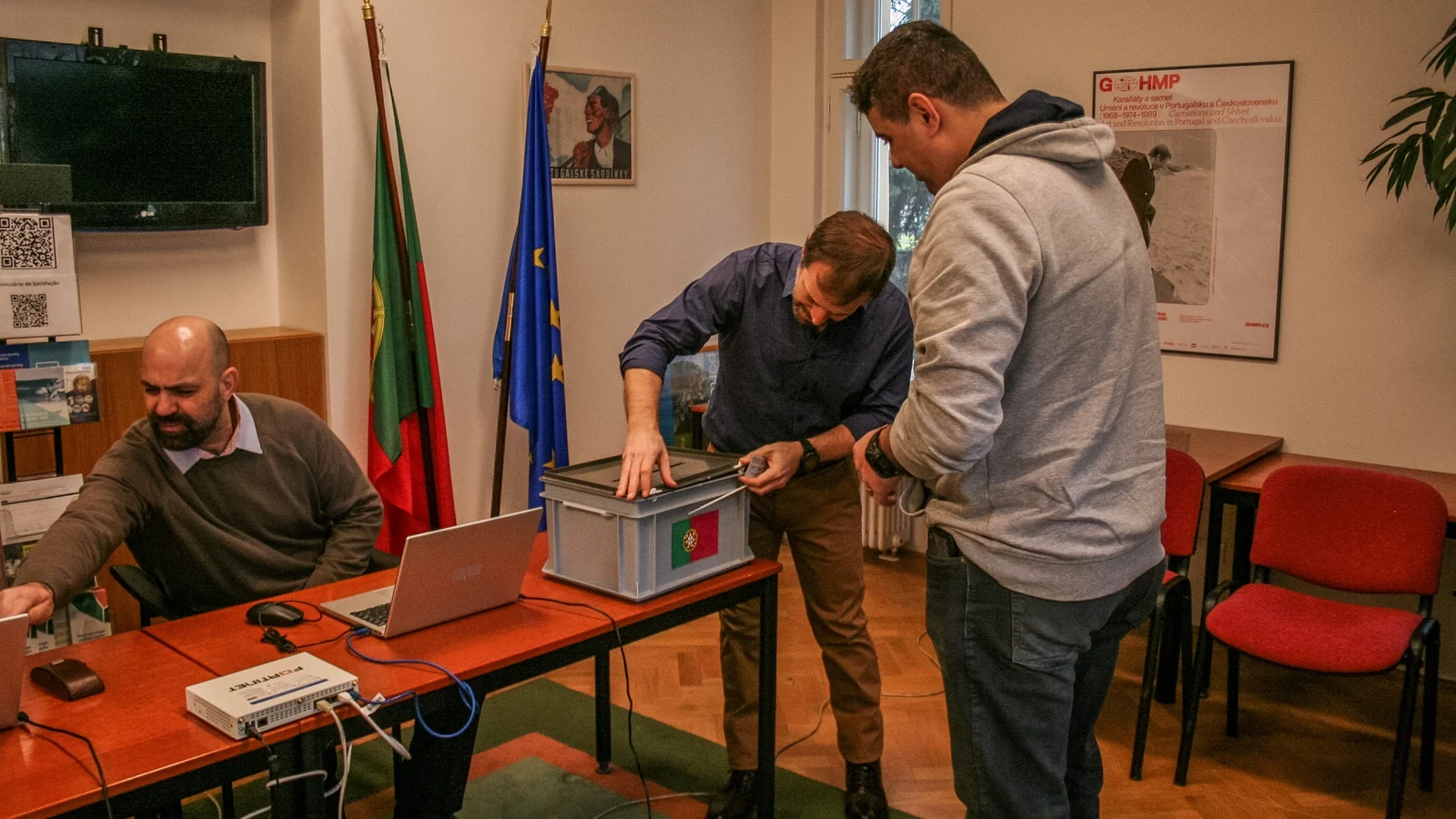
Portugal opened its polling stations at 08:00 today for a presidential run-off that, on paper, looks decided. Yet the rhythm of democracy here has been anything but routine. The nation is holding its breath between two powerful currents: the steady advance of a veteran Socialist and the unnerving, if likely doomed, rise of a firebrand from the far right — all while the Atlantic keeps throwing its worst at the coast.
On the ground: a country voting through the storm
Polling crews reported a cautious but steady stream of voters through the morning. Around 11 million people — those at home and abroad — are eligible to cast ballots. First exit polls are expected around 20:00 local time, and although one opinion survey this week placed Socialist António José Seguro as high as 67%, the question many Portuguese are asking on the way to the ballot box is less about percentages and more about how a country recovers when weather and politics collide.
“I had to wait for the bus to show up,” said Marta, a teacher who lives near the mouth of the Mondego River. “My neighbor’s roof was ripped off last week — but I’m voting because these are the decisions that will shape how we rebuild.” Her voice carried both fatigue and determination; the lines between civic duty and personal survival are raw right now.
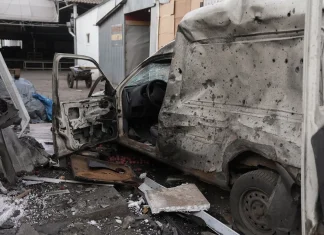
The storms, which have been sweeping in from the Atlantic since the start of the year, have been relentless. At least five people have died and vast stretches of land stand submerged or scarred. Preliminary government estimates point to roughly €4 billion in overall damage, with the agriculture and forestry sectors alone accounting for about €750 million in losses. More than 26,500 rescue workers have been deployed across the country in response.
Postponed ballots, pressed voters
Despite an overnight easing in the weather in many areas, authorities postponed voting in 14 of the hardest-hit constituencies — a delay affecting nearly 32,000 residents, who will vote one week later. The decision drew an immediate political reaction: André Ventura, the far-right candidate, urged a nationwide postponement, arguing that the scale of the crisis made it impossible to hold a fair election. His call was rejected.
Prime Minister Luís Montenegro described the storms as a “devastating crisis,” but argued that logistics could be overcome and that postponing the entire vote would set a dangerous precedent. Outgoing President Marcelo Rebelo de Sousa, who has weathered his own turbulent years in office, told reporters he had spoken with Ventura and urged that the electoral process proceed — noting that Portugal held its last presidential election even amid the coronavirus pandemic.
The stakes: beyond one election
This run-off is not only a contest between two men. It is a barometer of mood: whether a country traditionally anchored in moderation will drift toward the kind of nationalist, populist currents that have risen elsewhere in Europe. Ventura’s Chega party has polarized political conversation in Portugal, and even in a likely defeat his share of the vote will be closely watched as an indicator of how the far right fares in a European landscape where migration, inflation and cultural anxieties continue to produce volatile politics.
“The far right here is not a monolith,” said Dr. Maria Correia, a political scientist who studies Iberian politics. “Some voters are drawn by a message of security and national identity, others by anger at economic stagnation or a sense of being left behind. The storms complicate everything: they make tangible the consequences of policy choices on infrastructure and climate resilience. That changes the politics of the moment.”
For many voters, the calculus is personal and local. In the Alentejo plains, where cork and olive groves now lie submerged or torn, farmers are tallying immediate losses. In coastal towns, fishermen bemoan the ruined nets and battered boats. These are not abstract policy debates; they will shape livelihoods for years.
Voices from the floodlines
“My son and I spent last night moving boxes to the attic,” said João Silva, a retired carpenter from the central coast, gesturing to a line of sandbags outside his house. “We don’t agree on who to vote for, but we agree we need leaders who can plan for storms like this, not just talk about them.”
At a shelter in a community center, volunteers handed out hot soup and wrapped people in donated blankets. A young volunteer named Inês watched as an elderly woman knitted by the heater. “It’s strange — people are tired, angry sometimes, but also kind,” she said. “This country knows how to stand up when it falls.”
Numbers that matter
Here are the key figures to keep in mind today:
- Eligible voters: approximately 11 million (domestic and abroad)
- Postponed constituencies: 14 — affecting nearly 32,000 voters
- Storm fatalities reported: at least 5
- Estimated total damage: ~€4 billion
- Agriculture and forestry preliminary losses: ~€750 million
- Rescue workers deployed: ~26,500
What to watch as night falls
Beyond the headline outcome — whether Seguro wins decisively or Ventura narrows the gap — there are subtler measures that will matter. Turnout in affected regions, the margin of victory in rural versus urban centers, and whether the postponed ballots change momentum when they are cast next week will all say something about political energy and resilience.
Internationally, observers will be attuned to how Portugal’s weather catastrophe intersects with political sentiment. Are voters more likely to back pragmatic, institution-oriented candidates after a disaster? Or do crises accelerate polarization, driving people toward extremes? The answers will ripple beyond Portuguese borders.
Facing forward
As the day folds into evening and the first exit polls come in, Portugal will confront a familiar mix of hope and weariness. Rebuilding after a storm — whether infrastructure, confidence, or political consensus — is a long haul. Decisions made at the ballot box today will influence how quickly that rebuilding begins, and who pays for it.
So what does democracy look like when a country is soaked, shivering and still in line to vote? It looks like Marta in her yellow raincoat. It looks like volunteers turning community centers into shelters. It looks like a nation arguing, nervously and loudly, about identity, leadership and the safety nets that matter most when the sea comes calling.
Will the storm change the outcome? Or merely the texture of a victory? Tonight, Portugal will start to answer that question — with the wind still rolling in from the Atlantic and the work of repair already underway.