A Tanker Lost at Sea: Fire, Accusations, and the Uneasy Geography of Modern Conflict
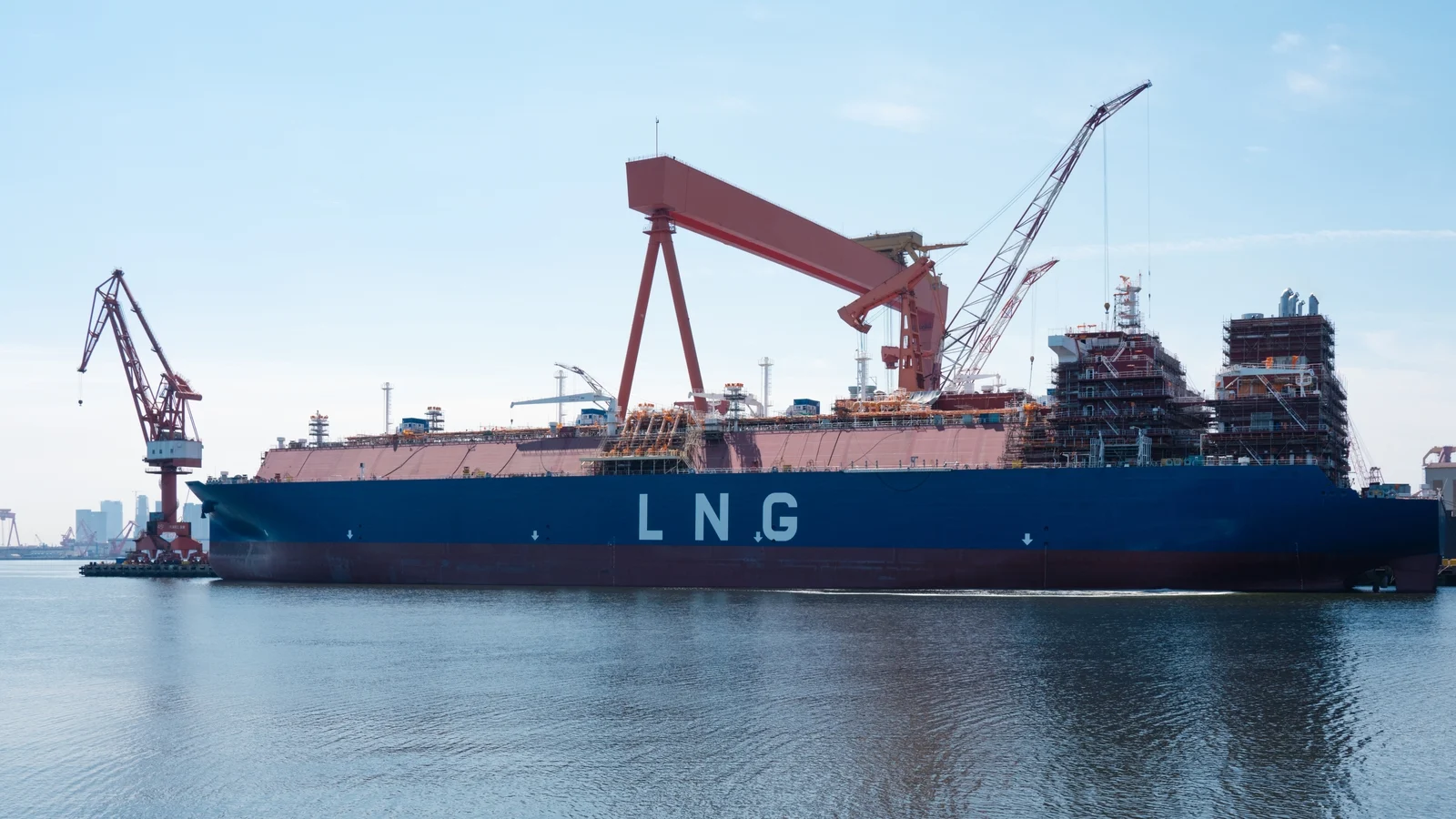
Night fell over the olive-dark waters north of Sirte, and with it came a blast that would split a routine voyage into a headline. The Arctic Metagaz, a liquefied natural gas (LNG) carrier bound from Murmansk toward Port Said, was reported to have suffered sudden explosions, ignited into a towering inferno and then — in a scene that felt improbably cinematic and tragically mundane at once — slipped beneath the waves.
“We saw a column of fire that looked like a lighthouse, only it was moving,” said Saleh, a fisherman from the coastal village of Qasr, who was up mending nets when coastguard radios began crackling. “We kept distance. The sea swallowed everything the next day.”
The Libyan port authority said the wreck occurred roughly 130 nautical miles north of Sirte, within the country’s search-and-rescue zone — a wide, contested maritime patchwork where the rules of engagement are as frayed as the map. Thirty crew members — all reported to be Russian nationals — were rescued, according to Maltese and Russian authorities. No fatalities were announced.
From Sirte’s Coast to the Kremlin: Accusations Fly
Within hours, blame ricocheted across capitals. The Russian transport ministry made a blunt charge: naval drones had been launched from Libyan shores, it said, and Ukraine was behind the attack. Moscow called the episode “an act of international terrorism and maritime piracy,” and demanded answers.
Libya’s National Oil Corporation, meanwhile, swiftly distanced itself, stating it had no role and that routine port traffic had not been affected. “This was a commercial voyage between Murmansk and Port Said,” an NOC spokesperson told reporters, adding that local fuel supplies remained uninterrupted.
Ukraine’s security service did not respond to immediate requests for comment, and in the fog of competing narratives, one truth remains stubborn: a large, modern tanker that had been carrying energy vital to homes and industries was sunk, and a fragile stretch of sea became another theater for a wider geopolitical argument.
What Happened At Sea — And Why It Matters
Details are still emerging, but maritime analysts point to a worrying trend: weaponized drones and miniature unmanned surface vessels are becoming tools of hybrid warfare. “We are seeing a technological leap in how states and non-state actors project power,” said Dr. Ana Moreno, a maritime security analyst at the Institute for Global Shipping Studies. “A single, inexpensive drone can temporarily neutralize a vessel valued in the tens or hundreds of millions, and cause cascading economic effects.”
How cascading? Consider the numbers: global LNG trade moves hundreds of millions of tonnes of fuel each year, connecting producers in Russia, the United States, Qatar and beyond with buyers across Europe and Asia. Interruptions in this chain — whether from direct attacks, insurance jitters, or rerouted voyages — can ripple through commodity markets and push up energy prices for consumers far from the site of the incident.
Already, global markets were on edge due to conflict in the Middle East. Now, an attack in the Mediterranean adds another layer of uncertainty to a commodity market that is notoriously sensitive to geopolitical shocks.
Voices from the Deck and the Shore
On the deck of a neighbouring supply vessel, a crew member who asked to remain anonymous described a scene of controlled chaos after the explosions: “It wasn’t just flames. It’s the noise, the heat. You think metal can’t betray you. Then it bends.”
Back onshore, local residents expressed a mix of alarm and weary resignation. “We rely on the sea. It feeds us. But the sea is not the same — there are strangers in it now,” said Mariam, who runs a small café by the waterfront where fishermen bring in the day’s catch. “We worry for our boys who go out at night.”
Diplomats and legal scholars, too, are weighing in. “If a state launches attacks from a third country’s territory, or if non-state factions operate with impunity, it tests the limits of international maritime law,” said Professor Ian Brookes, an expert in maritime law at a European university. “There are questions about jurisdiction, responsibility for rescuing survivors, and the definition of piracy versus acts of war.”
Libya’s Tangled Coastline
The Mediterranean coast of Libya has long been a mosaic of competing authorities and local powerbrokers. Sirte, once better known as a crossroads of trade and history, sits near oil terminals and has in recent years been a magnet for shifting allegiances. That fragmentation makes the waters off Libya particularly hard to police — and easier to exploit.
“The Libyan coastline is not a single coastline,” an analyst with a regional NGO said. “It is dozens of micro-fronts, each with different loyalties. That pluralism creates gaps where weapons and drones can be launched without clear accountability.”
Railways and Drones on Two Fronts
On a separate but related note, the war in Ukraine continues to see drone use expanding beyond naval arenas. In the early hours following the tanker sinking, a Russian drone struck an empty passenger train in Ukraine’s Mykolaiv region, injuring a railway worker. UZ, the Ukrainian national rail operator, has reported a marked uptick in strikes against rail infrastructure — essentials like locomotives, bridges and specialized maintenance equipment — noting 18 strikes since the start of March and damage to dozens of facilities.
“Railways are the circulatory system of any country,” said Oleksiy, a railway technician in Dnipro. “When you attack them, you don’t just break metal — you slow hospitals, schools, factories. The aim is to grind down a society’s ability to function.”
Energy Politics and the Wider Implications
Even as the Mediterranean waters smoldered, energy diplomacy was playing out in closed-door meetings. Moscow announced a Kremlin meeting with Hungary’s foreign minister to discuss long-term oil supplies — a reminder that, despite conflict, pipelines and tankers remain bargaining chips in the high-stakes diplomacy of energy.
Hungary, heavily reliant on Russian oil, has become a focal point in Europe’s internal energy debates: can national dependency be reconciled with political solidarity? The answer will matter not only to capitals in Europe, but to markets from Tokyo to Tunis.
And what about the human element? The thirty rescued sailors, the shore communities who watch tankers pass like migrating beasts, the refinery workers whose livelihoods depend on steady fuel flows — their lives are threaded through each policy choice and each missile strike.
Questions to Carry Forward
As you read this, consider the invisible lines that stitch the modern world together: pipelines, shipping lanes, satellite links. How easily do those lines fray when politics turns corrosive? How, and by whom, should the international community enforce the safety of high seas commerce?
“This is not just about one tanker,” Dr. Moreno reminded me. “It’s about how war now reaches into the arteries of the global economy, with low-cost technology and high-stakes consequences.”
The Arctic Metagaz is gone. For a while, the slick of oil and memory will linger on the sea. But the incident leaves larger questions in its wake: about accountability, about the oceans as a commons in wartime, and about the everyday people — sailors, fishermen, rail workers, diplomats — who find their lives redirected by events decided far above their heads. Where do we go from here? And who will chart the way?