Geneva Again: Diplomacy at the Edge of the Frontline
There is a peculiar hush that falls over Geneva in February—an elegant city used to hosting summits about climate, banking and human rights now preparing to hold, once more, the fate of a faraway battlefield in its ornate conference rooms.
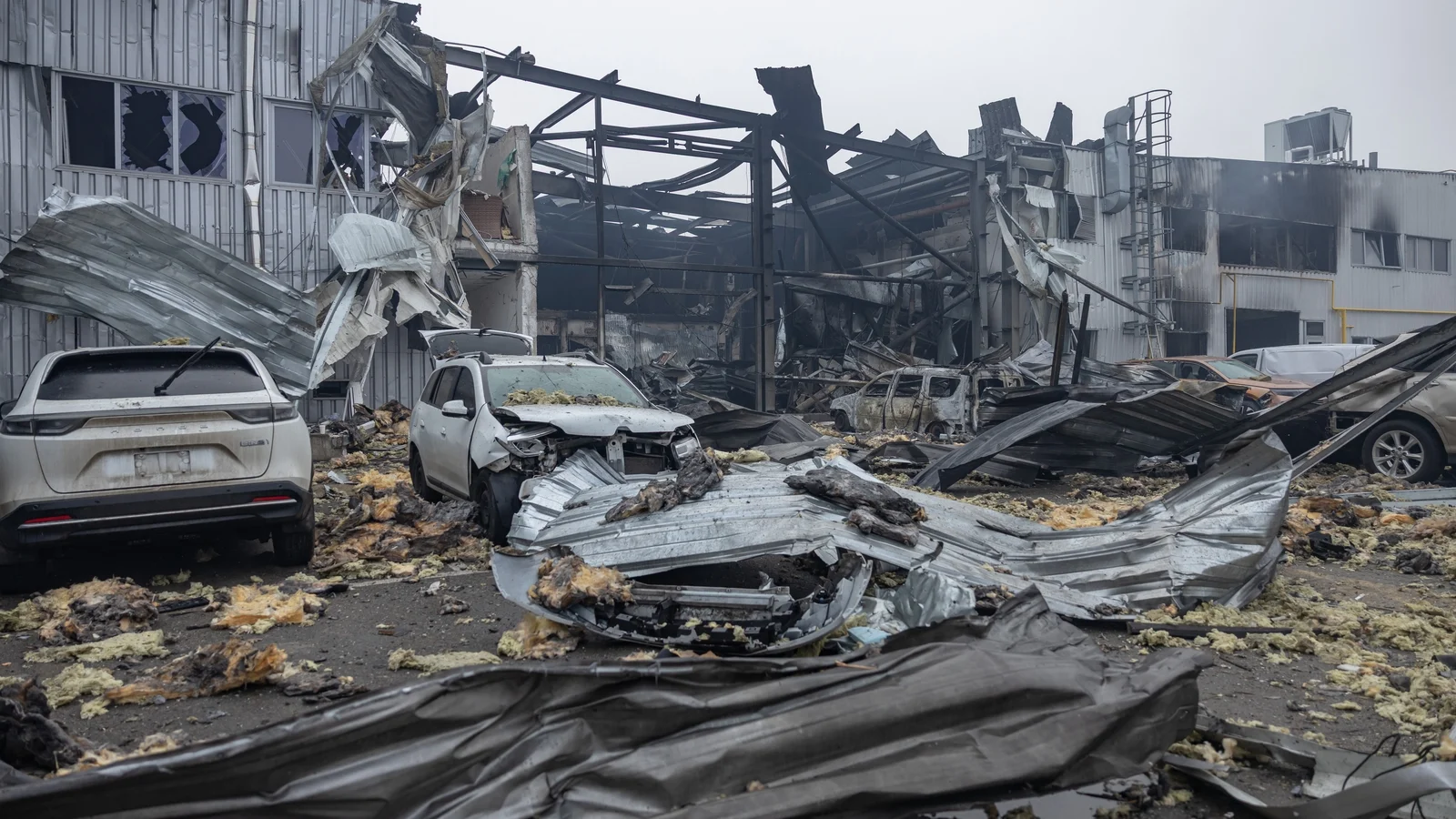
On 17–18 February, Russia and Ukraine will sit at the same table in a US-brokered meeting, officials from both capitals announced. It is another attempt to find a path out of a war that has scarred landscapes, families and international alliances for four long years. The details are familiar: hotly disputed territory, bruised egos, and a roster of red lines that neither side has been willing to cross.
Why Geneva? Why Now?
Geneva’s role as neutral ground has long been as much about optics as it is about logistics. “This city offers a certain gravitas and a space removed from the immediate pressure of the battlefield,” says Anna Weiss, a veteran conflict mediator who has clocked years in Swiss conference rooms. “But the venue doesn’t change the fact that these negotiations are played out against a backdrop of anguish and anger that no lipstick of diplomacy easily hides.”
The talks are being held in a trilateral format—Russia, the United States and Ukraine—after earlier attempts mediated by the US in Abu Dhabi. Those earlier rounds yielded little in the way of tangible progress. Both sides called them “productive,” but rhetoric and reality diverged: Moscow and Kyiv remain locked in a standoff over territory and political concessions, each accusing the other of negotiating in bad faith.
Lines in the Snow: The Core Disagreements
At the heart of the impasse is territory—who controls what, and under what conditions. Russia has insisted on sweeping concessions: withdrawal of Ukrainian forces from swaths of the Donetsk region and formal recognition of gains made since 2014 and 2022, including the annexation of Crimea. Ukraine, for its part, has rejected any unilateral pull-back as capitulation. The Kyiv delegation insists that any pause in fighting must be accompanied by ironclad security guarantees from Western partners to prevent a renewed offensive.
- Russia currently occupies roughly one-fifth of Ukrainian territory, including Crimea and areas seized during the conflict.
- Estimates suggest the human cost has been devastating—hundreds of thousands of soldiers, and tens of thousands of civilians killed—making this the deadliest conflict in Europe since the Second World War.
“You cannot separate territory from dignity,” a Ukrainian security adviser said quietly in a phone interview. “Ask any mother who has lost a son—which line matters to her? The maps mean lives.”
Delegations and the Personalities in the Room
Moscow will send Vladimir Medinsky to head its delegation, an appointment that signals a shift in tone. Medinsky, a former culture minister known for his hardline positions, led talks in Turkey that failed to bridge the divide. Ukraine confirmed that a delegation is preparing to travel to Geneva, while US officials, publicly and privately, have stressed urgency.
“The president has made it clear: the United States will press for a meaningful cessation of hostilities,” said an American diplomat on condition of anonymity. “But pressure doesn’t replace trust, and trust is the rarest currency in these talks.”
Voices from the Ground
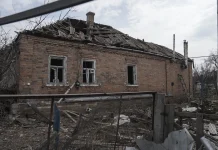
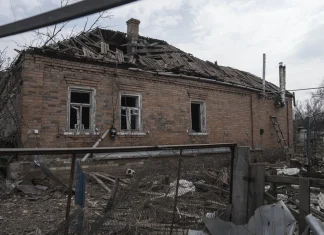
Diplomacy on paper looks very different from the stored grief and stubborn normalcy in towns near the line of contact. In a small town on the edge of Donetsk, an elderly woman who refused to give her name sat outside a grocery and expertly peeled an apple.
“We have learned to live with sirens,” she said. “We wake slowly now—waiting for the sound, not for the day. If they return with papers and promises, I will listen. But I will not leave the house for words.”
A young volunteer medic from a village near Kharkiv told a reporter, “We’ve had ceasefires before. They hold for days, sometimes weeks. The problem is not drawing lines on a map; it is ensuring there is someone to stop killing when the lines are redrawn.”
Experts Weigh In
Analysts warn that any short-term pause without a durable security framework risks repeating past failures. Dr. Laila Mirza, a scholar of post-conflict reconstruction, argues that guarantees must go beyond diplomatic platitudes.
“Security guarantees mean verifiable troop withdrawals, independent monitors with real teeth, and economic lifelines for affected communities,” she says. “Otherwise, you create a frozen conflict that festers—worse than open fighting because it corrodes hope.”
Historic Echoes and Global Stakes
This is not just a regional negotiation. The contours of these talks touch on international law, alliance politics and the very norms that have underpinned the post-1945 order. A successful agreement could recalibrate relations between an ascendant Russia and a wary West. A failure could harden rival blocs and embolden other revisionist actors.
“What happens in Geneva sends a signal to capitals across the world: whether military force can be rewarded, whether borders can be redrawn by guns,” says Michael Durant, a former NATO analyst. “If the talks produce a stable ceasefire and a credible path to restoring sovereignty, that’s a win for diplomacy. If they don’t, it normalizes a dangerous precedent.”
What Could a Deal Look Like?
There is no single blueprint. But informed observers sketch a few likely components:
- Phased troop withdrawals verified by international observers.
- Security guarantees—possibly multilateral and temporary—to deter renewed offensives.
- Roadmaps for the return of displaced people and economic reconstruction funds tied to verification.
- Negotiated status arrangements for contested regions that respect human rights and self-determination norms.
Each of these has pitfalls. Any arrangement that is seen as etching in territorial changes risks delegitimizing the process in the eyes of many Ukrainians. Conversely, failing to address Russia’s security concerns could doom any accord to the scrapheap.
Beyond Geneva: The Human Arithmetic
Why should distant readers care? Because behind every line on a map are refrigerators emptied of photographs, cemeteries that increase by one every week, and economies shackled to the ebb and flow of violence. The ripple effects extend to global grain markets, energy prices and refugee flows that touch millions beyond Eastern Europe.
“We keep talking about strategy and statecraft,” said a volunteer teacher from a town outside Mariupol. “But people here are waiting to sing again in schoolyards, not for treaties to fill textbooks. How will your leaders tell their children about this—proudly or with shame?”
Can Geneva Deliver?
Geneva will offer a stage and mediators will provide the choreography. But the actors must bring something new: flexibility, internal consensus, and a willingness to trade maximalist rhetoric for pragmatic guarantees. The world will watch, but those who know the cost best—the families in makeshift cemeteries, the bus drivers turned resupply volunteers, the grandparents keeping their grandchildren safe—will be the real judges.
Will the talks in Geneva be the opening of a genuine path to peace, or merely another interlude before the guns begin again? The answer rests not only on the words spoken in conference rooms but on whether those words are backed by actions people on the ground can trust. As you read this, consider: What would you ask of leaders trying to end a war that has already taken so much?
When delegates take their seats on 17 February, they will carry with them more than negotiators’ briefs. They will carry the unsent letters, the burned photographs, the sleeping children—human details that no clause, however carefully worded, can erase. The question for Geneva is whether diplomacy can meet those human realities where they are, and not simply redraw the maps of power.