Night Without Light: Kharkiv and Odesa Bear the Cold Bite of War
When the lights went out in Kharkiv on a wind-bitten winter night, it felt at once mundane and monstrous — a blackout that could be expected after a storm, yet born of missiles and drones. Streetlamps blinked off. Apartment blocks, with their Soviet-era facades and warm, lived-in balconies, became silhouettes. Hospitals clicked over to generators. Residents bundled in layers, passing thermoses and candles between neighbors while the city’s power crews, brimming with a stubborn calm, scrambled to assess damage under the constant hum of air raid alerts.
“Our energy system came under attack and there was quite serious damage. All crews are at work to eliminate all the negative consequences quickly,” Regional Governor Oleh Syniehubov said in a message posted to Telegram, adding bluntly: “About 80% of the city of Kharkiv and Kharkiv region is without electricity.”
The night’s tally: drones, damage, displacement
Ukrainian air force reports said 165 drones were launched towards Ukrainian territory overnight — and that air defence units had neutralised 135 of them. Even with a high interception rate, the strike left a trail: two people injured in Kharkiv, two schools damaged, and large swathes of energy infrastructure crippled just as sub-zero temperatures began to bite.
Some images on social channels showed whole neighborhoods plunged into darkness, firelight and emergency beacons glinting against frost. In Kharkiv — a city about 30km from the Russian border and Ukraine’s second-largest urban center before the war — the psychological effect of a long, cold night without heat or light was as consequential as the physical destruction.
Odesa struck: port city on edge
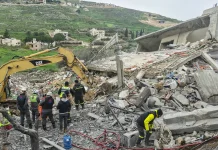
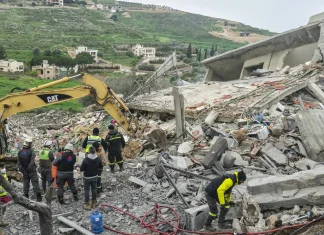
Farther south along the Black Sea, Odesa woke to smoke and sirens. The head of the city’s military administration, Serhiy Lysak, described the operation on Telegram as a “massive” drone attack. Regional governor Oleh Kiper reported 23 people wounded, nine of whom — including two children and a pregnant woman — were hospitalised. He warned that people could still be trapped under rubble.
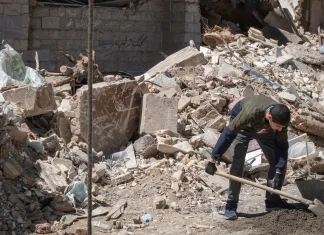
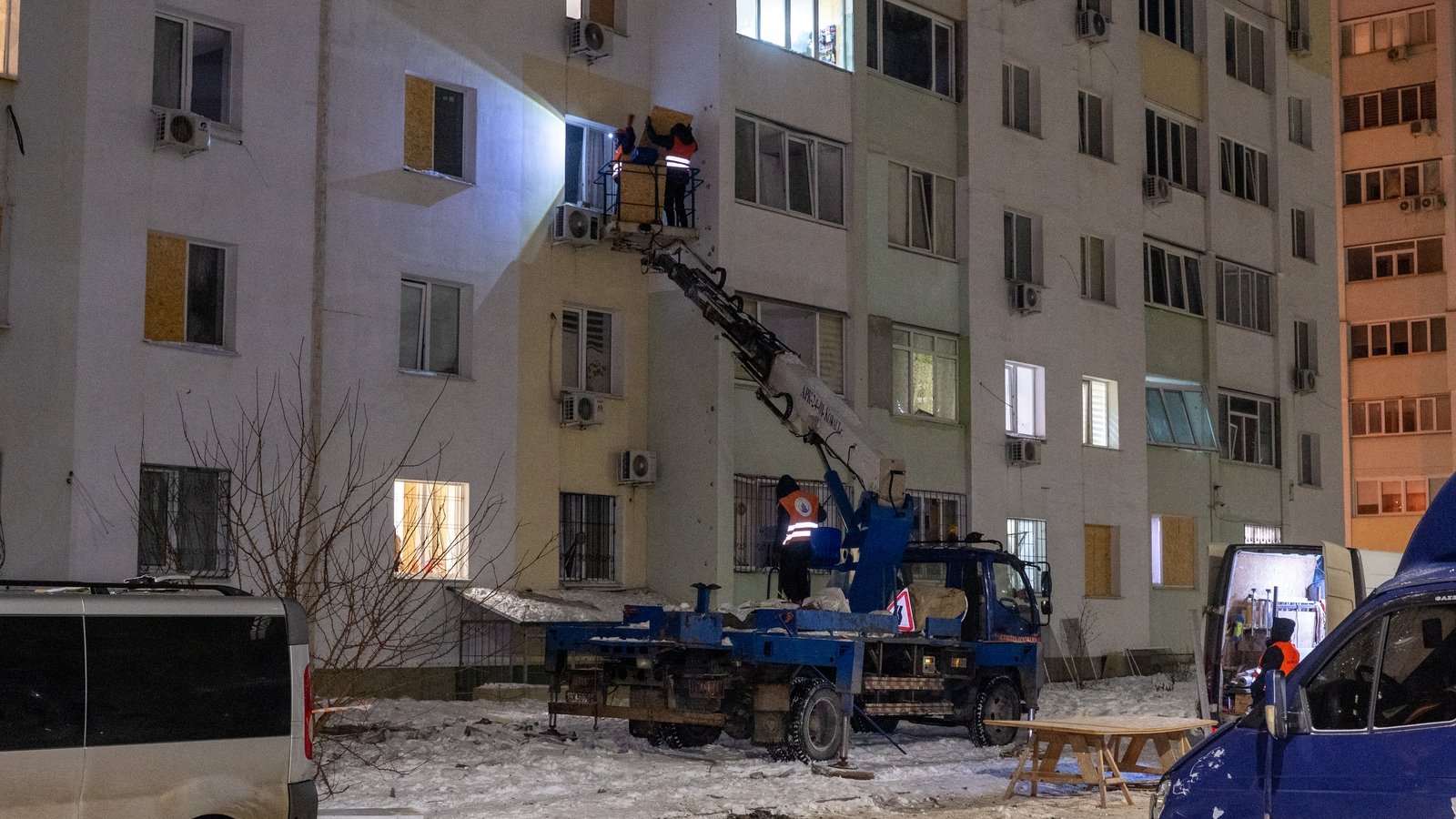
Dozens of residential buildings sustained damage; a kindergarten, a high school and a church were among the civilian sites hit. Fires burned in several parts of the city. For Odesa, a place famous for its steps overlooking the sea, lively markets, and the eclectic creak of maritime life, the strike was both a human tragedy and a strategic reminder: the Black Sea coast remains a frontline in another kind of battle, one over logistics, commerce and the movement of goods.
Beyond the headlines: scenes from the streets
“We have no heat and my baby is shivering. We wrapped blankets around him and went to the stairwell where there was some light from a neighbor’s battery lamp,” said Marina, a kindergarten teacher in Kharkiv, speaking quietly between calls to friends and calls to the school. “You learn to make do, but it does not feel normal. Children ask why the sky is falling.”
In a hospital corridor, a nurse named Serhiy wiped his hands on a towel and said, “We are running on emergency power. The ventilators and incubators are fine for now, but every minute the generators run is a minute we are praying they don’t fail. Outside, volunteers are bringing hot soup to staff and patients. That is how we get through.”
On the outskirts of Odesa, an electrician with a regional utility crew, wrapped in a luminous vest and a wool cap, spoke over the crackle of radios: “We are patching, rerouting, and hopes are pinned on the main lines holding. The drones take out the substations, and then everything else follows. We work as fast as we can. People need heat, especially now.”
Why attack energy?
Targeting power and heating systems in winter is a grimly strategic move with immediate humanitarian consequences. “Striking energy infrastructure during months of extreme cold is an attempt to erode civilian morale and to strain emergency services,” said Dr. Olena Markov, an energy security analyst based in Kyiv. “Even when a high percentage of drones are intercepted, the ones that hit can create cascading failures — substations damaged, control centers disrupted, and long repair times under fire.”
There is a wider pattern. Since 2022, missile and drone strikes have repeatedly focused on electricity grids, water systems, and other civilian infrastructure, stretching a nation’s capacity to repair and to protect the most vulnerable. The winter element amplifies every risk: hospitals rely on steady energy for life-saving equipment; older apartment buildings depend on city heating; water pumping stations need electricity to prevent supply interruptions.
Ripples across regions
It was not only Kharkiv and Odesa. Officials reported damage to energy infrastructure in Mykolaiv region, where a woman was injured. Even western Ukraine — in the Lviv region that borders Poland and the NATO alliance — saw an infrastructure facility struck, a reminder that no region feels entirely insulated from the conflict’s reach.
- 165 drones were reported launched in the overnight strikes.
- 135 drones were intercepted by Ukrainian defences (about 82%).
- Kharkiv: approximately 80% of the city and region without electricity after the attack.
- Odesa: 23 wounded, at least nine hospitalised; multiple civilian sites damaged.
Questions to sit with
What does it mean to wage a modern war when the tools of life — warmth, light, water — are also targets? When cities lose power, the calculus of survival changes overnight. Elderly residents, children, and those with chronic conditions face heightened peril. Schools and cultural institutions bear scars that outlast physical repairs.
And yet, amid the rubble and smoke, there is a recurrent and stubborn humanity: neighbors sharing food, volunteers shuttling fuel, technicians working long shifts, and municipal teams trying to weld the city back together while sirens still wail.
Looking ahead
Repair crews will work around the clock, officials say. Air defenses will continue trying to intercept incoming attacks. Diplomats and humanitarian agencies will count and catalog the damage and urge restraint. For the people of Kharkiv, Odesa, Mykolaiv and Lviv, the immediate questions are practical and pressing: when will the heat return? Which schools will reopen? Who will cover the costs for homes and businesses?
There are no easy answers. But there is a clear, wider lesson for the world watching: modern conflict increasingly targets the sinews of daily life. It is a reminder that security now encompasses not just borders and battlegrounds but power grids, supply chains, and the quiet infrastructure that makes community life possible.
As you read this, imagine a city where a single drone strike can dim a hundred thousand lives. What responsibilities do we, as a global community, share for protecting civilians — and for ensuring that when the lights go out, there is a plan to get them back on?
Kharkiv and Odesa, on this cold night, answer with the dim glow of candles, the hum of generators, and the tireless work of people who refuse to let darkness win.