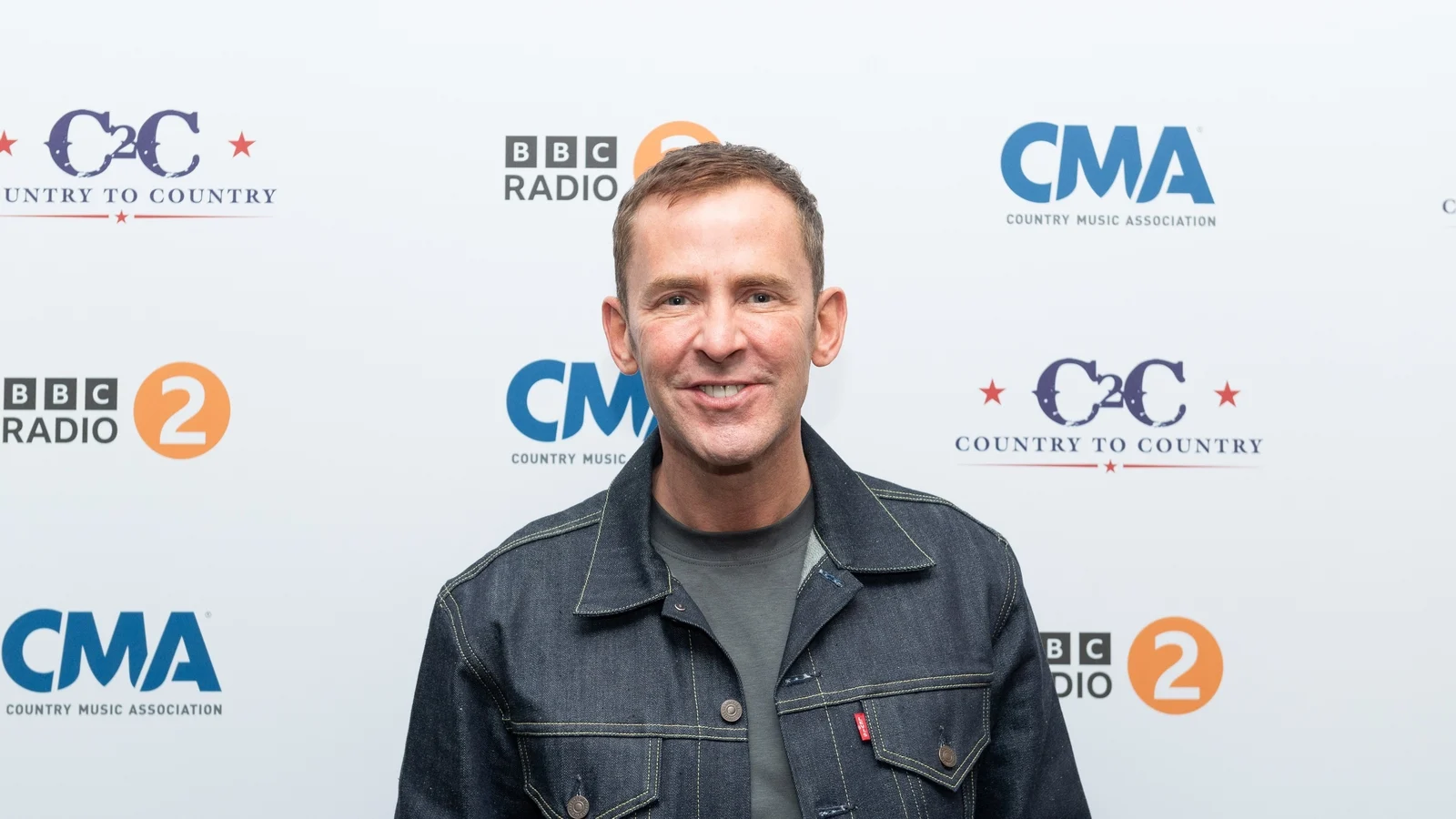
A Sudden Silence on the Airwaves: Scott Mills and a Morning That Didn’t Happen
There are mornings when a radio host’s voice feels like sunlight poured through the kitchen window — familiar, steady, part of the furniture of the day. On Wednesday, that routine was broken. Scott Mills, the warm-voiced presenter who only last year took the helm of BBC Radio 2’s flagship breakfast show, is no longer with the corporation, the broadcaster confirmed. The terse official line — “Scott Mills is no longer contracted and has left the BBC” — landed with the awkward hush that follows any unexpected departure from public life.
For a station that reaches millions — Radio 2 is the UK’s largest national radio network, drawing roughly 14 million weekly listeners according to recent RAJAR figures — the absence of a breakfast host is more than a programming gap. It is a rupture in people’s routines and, for many, a personal loss. “I make my porridge with Radio 2 every morning,” said one long-time listener, speaking on condition of anonymity. “When his voice didn’t come on, there was this weird sense of being untethered.”
The Official Line and the Little Details
The BBC’s statement was short on specifics. “While we do not comment on matters relating to individuals, we can confirm Scott Mills is no longer contracted and has left the BBC,” a corporation spokesperson said. On air, Jeremy Vine — who opened his show later in the morning — admitted he was “taken aback” by seeing the bulletin and that he had only learned of the development minutes earlier from the BBC website.
Inside the building, staff received a direct note from Lorna Clarke, Director of Music, that struck a different tone: more human, more uncertain. “I know that this news will be sudden and unexpected and therefore must come as a shock,” she wrote, acknowledging the bewilderment people inside the corporation — and listeners outside it — would feel. She promised updates “when I’m able to,” and asked for patience. There will likely be questions; for now, many of them will remain unanswered.
Where It Leaves the Show — and Listeners
Mills, 53, from Southampton, was last on air Tuesday. When he signed off — joking about waxing his legs and a Stars in Their Eyes bit with fellow presenter Vernon Kay — he said simply, “See you tomorrow.” He didn’t. Veteran DJ Gary Davies stepped in the next day, beginning his shift with, “Morning, Gary in for Scott,” and no explanation for listeners beyond the formal bulletin.
That blunt handover — no on-air closure, no behind-the-scenes farewell — underscored how suddenly things can change in a broadcaster’s life. For listeners who build rituals around a presenter’s cadence, that kind of abruptness can feel like losing a friend without a chance to say goodbye.
Career Notes, Not Eulogies
It’s worth pausing to remember the arc of a career that felt by many like a national fixture. Mills’ broadcasting life began on BBC Radio 1 in the late 1990s — the early breakfast slot, then weekends, then early evenings. When a maternity cover slot turned permanent, The Scott Mills Show was born, and for years his easy humor and conversational style made him a radio persona people trusted.
He moved to Radio 2 in 2022, first into the weekday afternoon slot and later into the coveted Breakfast Show after Zoe Ball’s departure. Outside daytime radio, he had mixed it up on television too — a series run on Strictly Come Dancing, a role in Comic Relief sketches, a stint as a Eurovision commentator, and a victory with his husband on Celebrity Race Across the World in 2024. A scheduled live appearance supporting Boyzone in June was already on the calendar.
Voices in the Wake: Reaction from Colleagues and the Street
Inside the corridors of the BBC there was surprise and an undercurrent of sadness. “Scott has been a fixture across the BBC for decades,” one colleague told me. “Nobody wants to see careers end badly, and when it happens you feel the loss twice — for the person and the audience.”
Outside the institution, reactions were a mix of confusion and reflection. “It’s a shock — you can’t help but feel for the family,” said a woman in her 60s in Southampton as she queued for coffee near the docks. “He’s from here. You hope there’s truth and fairness both.” Another listener, a commuter on the London Tube, sighed: “You don’t expect things like this. It makes you think about what we expect public figures to be.”
What the BBC’s Actions Might Mean
When a public institution severs ties with a high-profile presenter, questions swirl: What’s the standard of proof? How should employers balance duty of care to staff and audiences against the imperative to act swiftly when allegations arise? If you work with people for years, the shock is personal. If you listen every morning, the shock is private and intimate.
“Companies increasingly have to act decisively in the court of public opinion,” said Dr. Amina Hassan, a media ethics scholar at a UK university. “That can be necessary for protecting the workplace and the public, but it also raises concerns about due process and transparency. The balance is hard to strike, especially under 24-hour scrutiny.”
Wider Patterns: Trust, Accountability, and the Culture of Media
This isn’t just a story about one person. It’s part of a broader conversation about media accountability in a time when institutions are under constant pressure to police behavior while also protecting their brand and their audiences. Broadcasters are dealing with social movements demanding greater transparency and better workplace culture, even as they navigate legal and ethical constraints.
How should organizations handle allegations that are, by nature, private but carry public consequences? What does fairness look like when headlines move faster than investigations? These are not theoretical questions — they affect careers, livelihoods, and reputations.
Questions for the Listener
So let me ask you: when a friendly voice vanishes from your radio, what do you want to know? The human instinct is to want facts, to restore a sense of order. But facts take time to gather and verify. Are you comfortable with silence while an institution sorts itself out, or do you prefer immediate answers even if they are partial?
There are no easy answers. But there is one thing that seems clear: audiences care about integrity. They also care about fairness. How the BBC navigates this episode — how it communicates, how it balances protections for staff with transparency for listeners — will shape not only this story but the trust people have in public broadcasting going forward.
Looking Ahead
For now, the breakfast show will go on. Radio stations are built to be resilient; presenters come and go, formats adapt. But the silence left by an absent voice lingers longer than a schedule slot. It’s a reminder that behind the mic are human beings, careers and communities intertwined in ways that a quick bulletin cannot fully capture.
Whatever the next chapter holds for Scott Mills, the morning ritual has been disrupted, and a conversation about accountability and compassion in public life has been jolted back into focus. We’ll watch how the BBC proceeds — and, perhaps more importantly, how we as an audience choose to listen.