A Night Interrupted: Chaos and Courage at the Washington Hilton
When the chandeliers above the Washington Hilton’s grand ballroom fluttered with the last notes of a welcome speech, most of the 2,600 guests settled deeper into their seats. Cameras flashed. Conversations hummed like bees. The White House Correspondents’ Dinner—affectionately called “Nerd Prom” by the capital’s press corps—was doing what it always does: blending showmanship, schmooze, and the uneasy comic relief that comes from having the president in the same room as his critics.
Then a sound. A commotion. For a handful of breathless seconds, nothing felt normal anymore.
Inside the Panic
“It sounded like a bomb or a car backfiring—sharp and close,” said one journalist who ducked behind a table. “People stared at one another, at first thinking maybe it was part of the act. Then the Secret Service moved like a wave.”
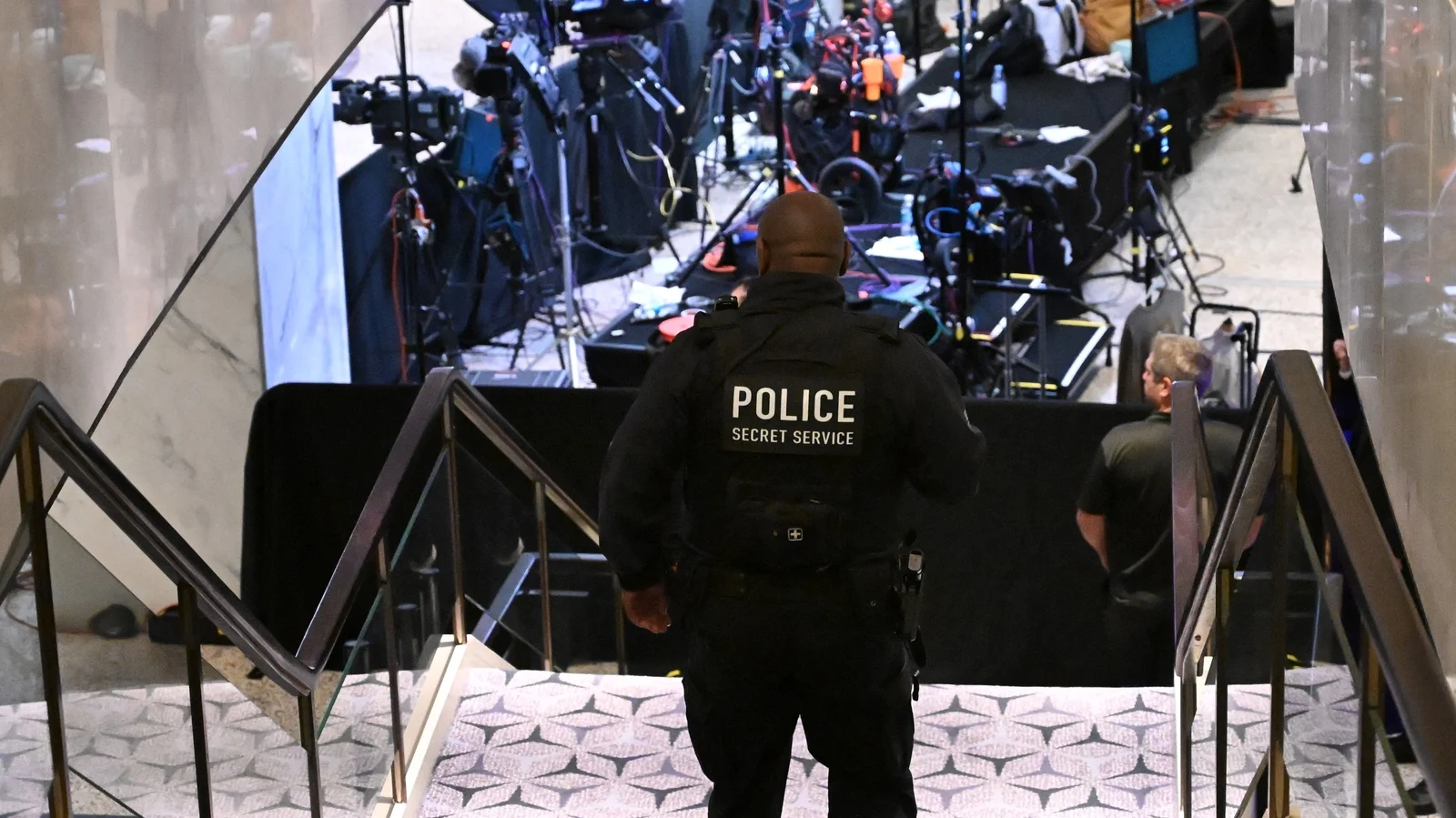
Waiters spilled from the ballroom, plates in hand, forming a sudden, human barricade as tactical teams—rifles slung and faces set—took positions where the president had been sitting minutes earlier. Helicopters began to thrum overhead. Outside, police cruisers arrived in a staccato of lights.
According to the Secret Service, the president and first lady were evacuated and are “safe.” President Donald Trump later posted on his social platform, Truth Social: “Secret Service and law enforcement did a fantastic job. They acted quickly and bravely.”
The Arrest—and After
Authorities said one individual was taken into custody near the event’s main screening area. Mehmet Oz, a cabinet official who was at the dinner, was quoted as shouting the words that ricocheted through the room—“shots fired upstairs”—as he was hastily escorted out by security.
Organizers told attendees the event would continue, citing the president’s suggestion to “let the show go on,” though officials made clear that any resumption would be entirely “guided by law enforcement.” President Trump announced a press conference to be held at the White House briefing room later that night.
Scenes and Soundbites: Voices from the Night
Eyewitnesses described the ballroom in the moments after the noise like a theater experiencing an unscripted blackout—confusion, the cold click of radios, the low murmur of guests trying to get comfortable with fear.
“A woman at my table started crying softly, and someone else covered her with a coat,” remembered an veteran photojournalist. “These are people who have covered war zones. Yet the fear was the same. That moment stripped away a lot of bravado.”
Another attendee—a young reporter fresh to Washington—said, “We train to run toward the story, but tonight we ran toward exits and toward each other.”
Where the Past Meets the Present
The Washington Hilton is no stranger to the darker side of politics. Nearly 45 years ago, in 1981, Ronald Reagan was shot after leaving a speaking engagement at this hotel—an episode that became part of the building’s heavy memory. For many in the room, the echoes of that history were hard to ignore.
And for Mr. Trump, the night carried its own heavy context. In July 2024, he survived an assassination attempt at a campaign rally in Butler, Pennsylvania, where gunfire grazed his ear and one attendee was killed. Months later, security concerns kept him under intense protective watch after another man was arrested near a golf course where the president was playing.
What Happened—A Timeline
- Welcoming speech concluded and dinner service was underway.
- A loud, unidentified noise was heard near the main screening area.
- Secret Service and hotel security moved to evacuate the president, first lady, and aides.
- One individual was apprehended by law enforcement; tactical teams secured the stage area.
- Organizers announced the event would proceed under law enforcement’s guidance; President Trump announced a late-night press briefing.
Broader Echoes: Safety, Satire, and the Spaces In Between
What does an incident like this do to a city that lives on ritual and pageantry? Washington is built around spectacle—the parades, the protests, the gala nights that stitch together the political class and the press. But in recent years those rituals have become more fraught. Security perimeters are higher, access is more constrained, and the calculus of public events now factors in active-shooter scenarios and targeted threats.
Consider some numbers: the U.S. Secret Service’s workload has expanded dramatically in recent decades as presidential travel, public exposures, and threats have multiplied. Meanwhile, the rate of mass shootings in the United States—in which four or more people are injured or killed in a single incident—remains among the highest of any developed country. That context makes the nervousness at last night’s dinner both immediate and systemic.
“This is no longer an anomaly,” said a security analyst who asked to speak off the record. “Political events will be treated like high-risk venues. That changes how democracy looks in public—more barriers, fewer spontaneous moments.”
Culture, Controversy, and the Media’s Place
There’s another wrinkle: the dinner was not your typical state banquet. It is a fundraiser for scholarships and reporting awards, attended by reporters, anchors, and media executives—people whose job it is to scrutinize power. This year’s invitation to the president was controversial within newsrooms. Hundreds of journalists signed an open letter urging those present to call out restrictions on press freedom and the administration’s often combative relationship with the media.
So the scene—tables full of journalists, comedians ready with barbs, and a president who has, until now, never attended the event while in office—was loaded with symbolism. How do you laugh when the laughter might be the last sound you make freely? How do institutions designed to hold power accountable function when the physical spaces of accountability feel insecure?
Questions to Sit With
As you read this, ask yourself: what are we willing to accept for the sake of spectacle? For security? For the rituals of democratic life? What becomes of public discourse when the spaces where we gather are increasingly fortified?
And on a human level: how do the journalists who chase stories continue in the face of intensified risk? “We’ll come back the next day,” said one correspondent, voice rough with fatigue. “It’s what we do. But it doesn’t not change you. It reminds you what’s at stake.”
Why It Matters
Last night’s disruption is more than a headline. It’s a mirror reflecting how fragile public space can be when political tensions are high, when leaders and the press share the same room with history and hazard. It underscores an uncomfortable truth: democracy’s social rituals—gala dinners, debates, rallies—are also potential flashpoints.
But it also surfaces another truth, quieter and steadier: the professionalism and speed of the people whose job is to keep others safe. “They moved like a well-oiled machine—no hesitation,” one attendee recalled of the Secret Service. “That’s the one thing that steadied me.”
After the Whir of Helicopters
By the time the room emptied and the helicopters receded into the night, Washington had added another chapter to its long, uneasy narrative about safety and spectacle. Investigations will follow. Forensics will explain the noise and the arrest. But for those who were present—journalists, staffers, hotel workers, and the small army of technicians who keep the city’s rituals spinning—the memory will linger.
Will the correspondents’ dinner go on? Perhaps. Will the jokes have the same bite? Hard to say. What is certain is that each gala, each rally, each public moment now carries the weight of this one—rehearsed or unplanned—and that weight will shape how we gather, speak, and live together in the public square.