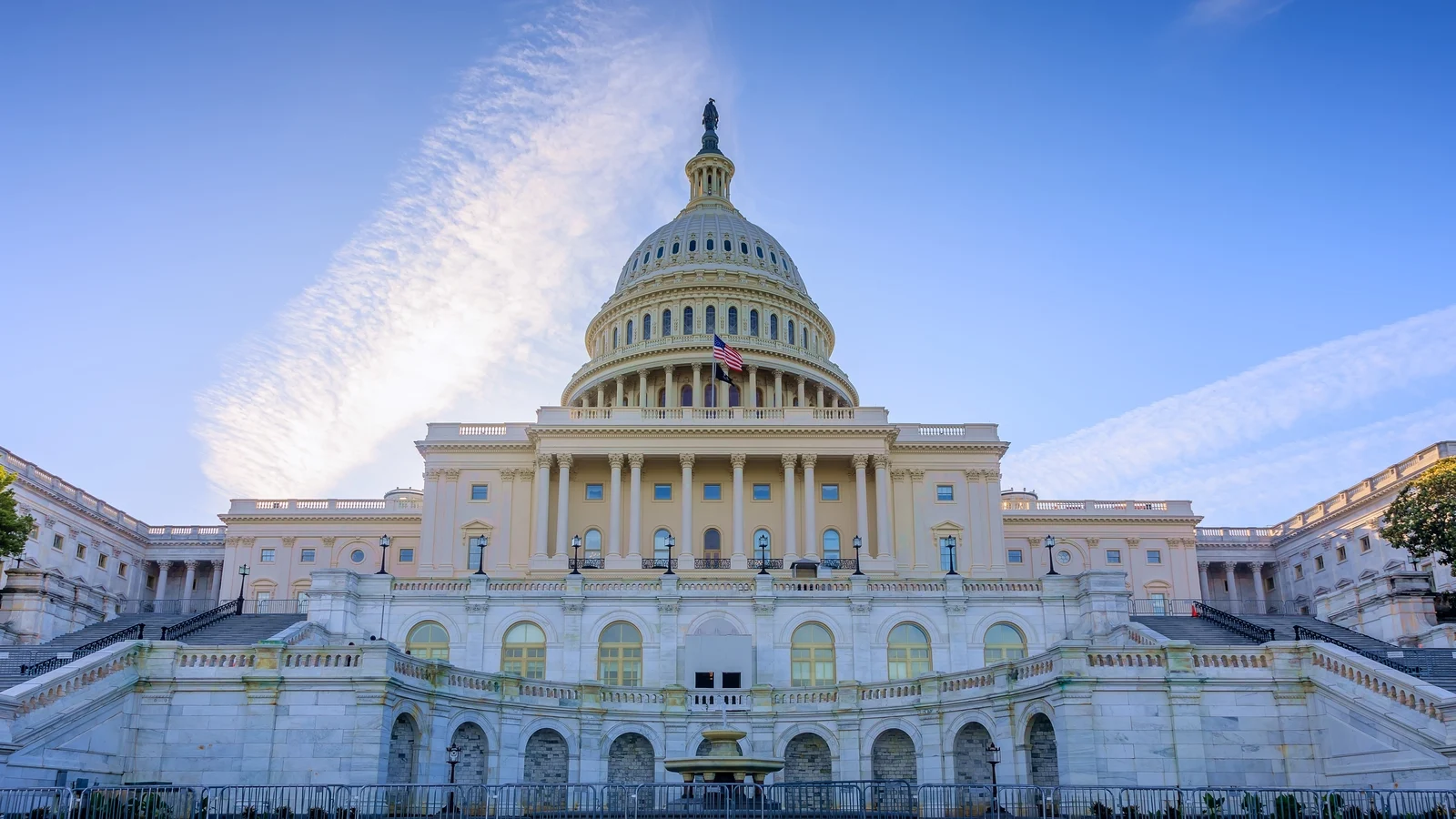
A Capitol Hill on Edge: Power, Scandal, and the Quiet Work of Keeping Democracy Together
Walk the marble corridors of the House of Representatives today and you can feel the air hum with something between fatigue and impatience—an exhausted city that keeps trying to pretend the plumbing still works while the ceiling leaks. In the last two weeks, three members of Congress have stepped away from their seats amid allegations that have rattled colleagues, staffers and an already skeptical public. The headlines are sharp, but it is the human moments—quiet conversations in cloakrooms, aides swallowing hard in elevators, constituents refreshing their phones for every update—that tell the deeper story.
The Short List of Shocks
Three resignations have reshaped the floor’s calculus and the national conversation: Representative Sheila Cherfilus-McCormick of Florida, who left after an ethics report said she committed more than 20 violations; Representative Tony Gonzales of Texas, who stepped down amid revelations of a workplace affair tied to a staffer who later died by suicide; and Representative Eric Swalwell of California, who resigned following allegations of sexual assault and reports of unwanted explicit messages.
The specifics are jarring: allegations that more than $5 million in disaster relief was diverted into campaign coffers, that luxury purchases—including reports of a six-figure diamond ring—were charged to funds meant for recovery, that unwanted sexual advances and messages upended professional relationships and in one case may have coincided with a tragic death. Investigations are now active, including one by the Manhattan District Attorney’s Office into the assault allegations involving Mr. Swalwell. Congressional ethics panels have been dusted off. So, too, have questions about the culture of power inside the Capitol’s walls.
Voices in the Halls
“When it’s your office on the line, you learn to read the room fast,” said a senior staffer in a Democratic member’s office, speaking on the condition of anonymity. “People are scared to come forward because they think the politics will swallow them—either way.”
“This isn’t just rumor and gossip. These are jobs, reputations, and lives,” said Maria Alvarez, a D.C.-based nonprofit director who trains congressional staffers on workplace protections. “Staffers are often young, in debt from college, tethered to their job for health insurance. That power imbalance is huge.”
“Accountability isn’t partisan,” another voice said—a Republican aide who described walking the halls with colleagues who want rules to change but don’t know how to start. “No one wants to be swept up by an ugly headline, but we also need due process that survivors can trust.”
Rules, Culture, and a Renewed #MeToo Moment
For many on the Hill, these departures feel like a second wind of the #MeToo movement—this time aimed at elected officials rather than entertainment industry figures. Some legislators are calling for rule changes: clearer processes for handling allegations, more independence for investigators, and protections that allow staffers to report wrongdoings without political interference.
“This is an important turning point,” said one progressive lawmaker on the record. “If power is going to be checked, it must be across the aisle. Men and women—Republican and Democrat alike—must see that abuse of power has consequences.”
Others argue the challenge is deeper than policy. “You can write rules until the ink runs out,” said a longtime House staffer. “But if the culture tolerates behavior—or the fear of political fallout makes leaders look the other way—rules won’t be enough.”
What the Data Tells Us
To put the moment in context, congressional approval ratings have lingered near historic lows for the better part of a decade. Surveys from multiple national pollsters show public trust in Congress remains tepid, often in the teens or low twenties. That distrust can turn every scandal into a referendum on the institution itself, not just the individuals involved.
And the arithmetic matters: Republicans hold only a slim majority in the House, meaning that every vacancy shifts the balance in tight votes. The party claimed a seat last week in a special election in Georgia, underscoring how even a single contest can redraw the map ahead of November’s midterms. A special election to replace Mr. Swalwell is scheduled for August 18, an event that will be watched both for its local dynamics and its signal about national mood.
Local Color: Lives Beyond the Headlines
In the Florida district Ms. Cherfilus-McCormick represented, residents spoke with a mix of anger and bewilderment. “We want representatives who help after storms, not who turn emergency aid into something else,” said James Bennett, a small-business owner who remembers the hurricane season that devastated parts of the state. “When you see disaster money misused, it feels personal.”
Out in California, where Mr. Swalwell once loomed as a credible gubernatorial contender, campaign workers and voters watched the fall with stunned disappointment. “He used to visit our community center and talk about kids and education,” recalled a volunteer. “Now the conversation is how anyone in power can make people feel unsafe.”
In Texas, the wound has a different texture. The story of an affair and a subsequent suicide has left staffers asking whether the informal rules and romance of politics—late-night fundraising, long flights, isolation—create situations that ordinary workplace rules don’t anticipate.
Looking Ahead: Law, Politics, and Public Trust
So what changes? Some lawmakers, including a few from both parties, have floated reforms: taking pensions away for members expelled for misconduct, strengthening independent ethics offices, and creating clearer channels for confidential reporting. “People want consequences,” said a conservative representative. “If a member breaks the law or betrays trust, they shouldn’t quietly retire with a pension.”
But reformers face two obstacles: political will and public cynicism. Will a Congress, crowded with contested races and narrow margins, marshal the courage to upend its own perks? And will the public trust any internal fix as sincere rather than performative?
Here’s the essential question for readers to consider: how do we build institutions that can police themselves without succumbing to the partisanship that often protects bad actors? It’s not merely a legal challenge; it is a cultural and civic one—one that asks citizens, journalists, and lawmakers to insist on a system where dignity and safety aren’t conditional on power.
Closing Notes: Small Acts, Big Ripples
Downstairs in a House office building cafeteria, a young legislative aide folded up her notebook and said, “I came to Washington to try to make a difference. I didn’t think I’d be teaching my friends how to document harassment.” Her voice broke a little; then she smiled and went back to work.
Scandals will continue to make headlines, and investigations will follow their legal rhythms. But the quieter story — how staffers find safety, how offices rebuild trust, how parties decide whether to sacrifice short-term advantage for long-term legitimacy — will shape whether this moment becomes a turning point or another headline that fades into the next news cycle.
We owe ourselves, and the people who labor unseen in this democracy, more than a shrug. We owe them systems that protect the vulnerable, punish the powerful when they abuse that power, and preserve the fragile trust that democracy depends on.