When a Helipad Became the World’s Stage
The morning air outside the United Nations felt colder than usual — not because of the weather, but because of the silence. Diplomats moved through the glass atrium like statues carved from protocol: buttoned suits, tight expressions, the practiced anonymity of people trained not to be surprised. Reporters shuffled their notepads and microphones in the plaza, chasing scraps of sound. For a moment, the city — loud, indifferent, capable of swallowing any headline — seemed to be holding its breath.
Across the river, a Brooklyn courthouse hummed with a different kind of tension. Men in suits shepherded a figure through security and into a helicopter bound for Manhattan; a name that once bloomed in the headlines of Caracas and Caracas’s exiled communities now landed on a U.S. federal docket. Cameras blinked. The story began to spin outward, fast as a dropped coin in a fountain.
Justice, Sovereignty, and the Question of Precedent
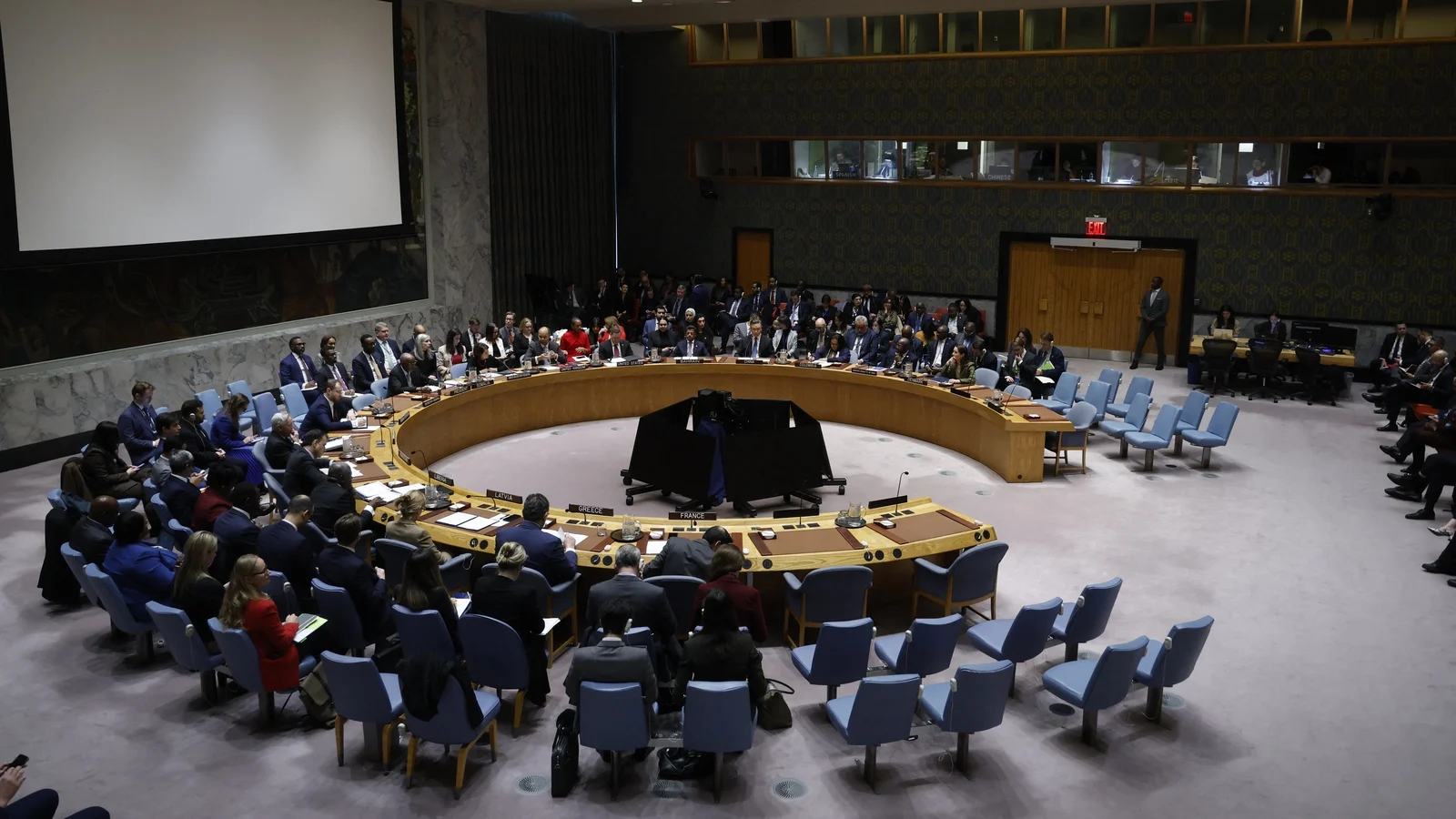
How do you balance the hunger for accountability with the bedrock rules that have, for seven decades, kept the world from tearing itself apart? The UN Charter is blunt on the matter: territorial integrity and political independence of states are not decoration. They are the framework. Yet those same lines felt less authoritative the day diplomats trickled into an emergency Security Council session, faces closed, voices taut.
“You cannot simply reach across a border and take what you want,” a European delegate muttered to a colleague, not for attribution but for gravity. “If we allow that to stand, what do smaller states actually have?”
The friction here is not academic. It is visceral. In the Council chamber, voices rose with the cadence of the global moment — anger, fear, and a chilling sense that a new rule book is being written in the margins. For many nations, the scene was not just about one man being brought to heel. It was about the precedent of a global heavyweight deploying force beyond its borders, and what that means for the bedrock notion of sovereignty.
Voices from the Chamber
“This is not merely a law enforcement action; it is an affront to the sovereignty of a people,” said a Latin American ambassador, adjusting a stack of papers before her. Her voice carried the tiredness of someone who’s watched external powers redraw lines on maps from afar. “There is no justification for unilateral force.”
Across the table a U.S. envoy leaned forward, his words clipped and unyielding. “We are not against a nation. We are against narco-trafficking and terror networks,” he replied. “When malign actors turn sovereign territory into a staging ground for violence and trafficking, they are forfeiting their claim to impunity.”
Outside the Halls: Real Lives, Real Questions
Back on the streets of New York, opinions were as loud and varied as the city itself. At a bodega in Washington Heights, a woman originally from Venezuela watched re-runs of the hearing on a tiny TV above the candy counter. “He ruined my country,” she said, her voice steady despite the tears she kept at bay. “If this brings any accountability, then let it be. But I fear what it means when the rules nobody asked us about get changed overnight.”
In a park in Queens where Venezuelan expats gather on Sundays to trade news, recipes, and grief, a young man in a baseball cap spoke with bluntness: “We want justice. But we also came here because our country stopped being a safe place to live. How much longer until other leaders get snatched like this?”
A long-serving UN security inspector in the corridor outside the emergency meeting shrugged and added, “There’s a difference between law and power. Law is supposed to hold power accountable. Lately, power just remakes the law.”
Geopolitics, Energy, and the Long Shadow of Competition
Beyond the human stories are the blunt instruments of statecraft: oil, alliances, and regional security. Venezuela is widely reported to hold some of the largest proven oil reserves on the planet, a fact that turns any move involving Caracas into more than a local matter. Energy maps are geopolitical maps: pipelines, ports, and ownership become chess squares.
“You are watching a collision of criminal justice and geopolitical strategy,” observed Dr. Ana Ríos, an international law scholar who has written extensively on extraterritorial enforcement. “Arresting a leader on charges of narcotrafficking is legally complex. Doing so with force that crosses borders is another layer entirely. The message is as much about deterrence as it is about law.”
For regional neighbors like Colombia — where security corridors and migration flows have violently intersected for years — the rhetoric on the podium felt dangerously proximate. “If these actions are normalized, the neighborhood could see a sharp escalation in tit-for-tat maneuvers,” said a security analyst in Bogotá. “We need careful diplomacy, not headline-driven impulses.”
Allies and Adversaries
In the chamber, Russia and China responded with language meant to signal alarm. Their delegates described the operation as a dangerous step toward a world where might answers questions once reserved for law. “You cannot rebuild international order by tearing its foundations,” a senior diplomat told the press, his words steady and rehearsed.
It is a tug-of-war over narratives: the United States frames the action as a defensive necessity against transnational crime and malign foreign influence; critics see it as a troubling reassertion of unilateralism that could empower the very chaos it claims to oppose.
What Happens Now?
Procedurally, a lengthy legal process lies ahead in U.S. courts. Politically, an even longer contest will play out in capitals from Caracas to Beijing. For the world at large, the question will be whether this event is an exceptional episode of hard-handed enforcement against a versatile adversary — or the first note in a new songbook of cross-border operations.
“The important thing is not who wins the argument today,” Dr. Ríos said, “but whether the international community can collectively agree on the rules of engagement going forward. If not, we are drifting toward a system where power, not law, sets the agenda.”
Where Do We Stand — and Where Do We Go?
As readers, what should we make of this? Do we celebrate the capture of a leader accused of grave crimes? Do we worry about the erosion of norms designed to protect small states? Can the scales of justice and sovereignty be balanced when geopolitical rivals sit across the table with vetoes in their back pockets?
There are no easy answers. But there are stakes: millions displaced from Venezuela over recent years, a region bristling with old grievances and new alliances, and a global order that depends on shared rules and mutual restraint. If those shared rules unravel, the shock will be felt most keenly by the world’s less powerful nations.
In the coming months, watch not just the courtroom transcripts or televised diplomacy, but the quieter measures: how neighboring states recalibrate their security postures, how multilateral institutions respond, and whether a consensus emerges on what constitutes acceptable conduct across borders.
After all, the era of headline-sized operations may be over — or it may be only beginning. The choice of which rests not in a courtroom nor in a single council chamber, but in the collective decisions of states, public opinion, and the institutions that prize law over impulse. What kind of world do we want? That is the question that echoes beyond the helicopter rotors and courthouse doors.