A New Dawn for Half a Million Lives: Spain’s Bold Move on Undocumented Migration
On a crisp morning in Madrid, the aroma of fresh coffee and frying churros mingled with an electric sense of possibility. Shopkeepers greeted each other in the Plaza Mayor with the casual warmth of people who share streets, stories and, increasingly, uncertainty about who belongs where.
This week Spain’s left-wing government reached for an answer that many other European capitals have resisted: a decree to regularise roughly 500,000 undocumented migrants — a sweeping gesture of inclusion that will let people work, live openly and access the protections of the state.
“We are strengthening a migration model based on human rights, integration, coexistence, and compatible with economic growth and social cohesion,” said Migration Minister Elma Saiz, framing the decision as more than administrative paperwork. “Beneficiaries will be able to work in any sector, in any part of the country.”
What the decree actually does
The government’s plan is precise in its conditions and generous in its intent. It will be available to people who:
- have been living in Spain for at least five months,
- filed for international protection before 31 December 2025, and
- have a clean criminal record.
Children already present in Spain will be included under their parents’ applications. Officials expect the application window to open in April and run through the end of June. Because the measure is being enacted by decree, it will bypass the full parliamentary approval process — a tactical choice by a Socialist-led coalition that does not hold a majority in Congress.
Numbers that reshape neighbourhoods and economies
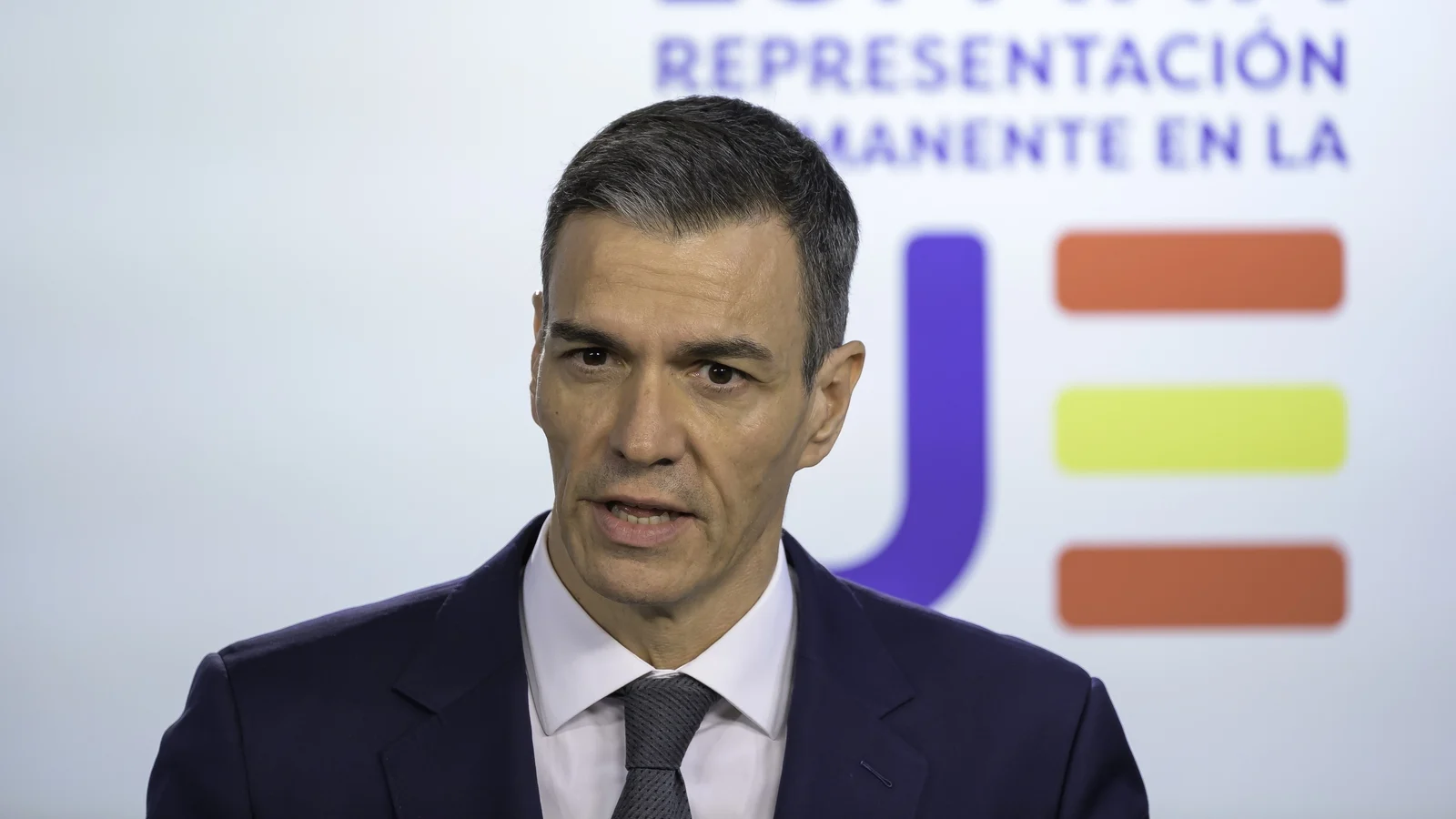
Spain’s economy and demography are inseparable from migration. Prime Minister Pedro Sánchez has repeatedly argued — and government figures underscore — that migration has been a central engine of recent growth. “Migration accounted for 80% of Spain’s dynamic economic growth in the last six years,” the prime minister has said, a statistic the government uses to justify opening legal channels.
Official labour-market data released alongside the announcement drives the point home: of the 76,200 new jobs added in the last quarter of the year, 52,500 were filled by foreigners — contributing to Spain’s lowest jobless figure since 2008. At the same time, independent research paints a fuller picture: at the beginning of January 2025, Funcas estimated some 840,000 undocumented people were living in Spain, a population drawn largely from Latin America but also from sub-Saharan Africa and elsewhere.
More than seven million foreigners now live in Spain out of a total population of roughly 49.4 million, underlining how migration has become woven into the daily life of towns from Valencia to Vigo, from the tiny canaries of the archipelago to the bustling streets of Barcelona.
Voices from the streets: hope, relief, skepticism
At a bustling cleaning cooperative in the south of Madrid, a woman known to colleagues as Mariana — short, tireless, with a laugh that softens the room — folds shirts with hands that have known both fear and perseverance. “If they give me papers, I can finally plan for my daughter’s future,” she said, pausing as a colleague delivered a paper cup of café con leche. “No more hiding when the inspector comes. No more sending money back through secret routes.”
An immigration lawyer in Barcelona, who asked not to be named because his office is swamped with clients, said: “This is a lifeline for people who have been contributing without recognition. But the devil is in the detail. How the government processes half a million cases in a few months will determine if this is meaningful reform or bureaucratic theatre.”
Religious groups and social organisations hailed the decree too. Spain’s Catholic Church called it “an act of social justice and recognition,” framing the move as aligned with long-standing pastoral outreach to migrants and refugees.
A chorus of opposition
Not everyone is cheering. Conservative and far-right parties slammed the plan, warning it could incentivise more irregular migration and strain public services. Alberto Núñez Feijóo, leader of the Popular Party, wrote on X: “In Socialist Spain, illegality is rewarded,” and promised sweeping changes to migration policy if his party regains power. His critique reflects a broader European trend in which far-right rhetoric has pushed many governments toward tighter controls.
“Our hospitals, schools and neighbourhoods are already stretched,” one local councillor in a small coastal town told me. “You can’t make complex fiscal and social systems fit new people overnight.” These anxieties are not trivial; they point to the real logistical challenges of rapid regularisation and integration.
Why Spain is taking a different path
This decree is as much about economics and demography as it is about compassion. Spain’s population is aging; fertility rates have fallen across much of Europe, and the ratio of workers to retirees is shrinking. The government argues that legalising undocumented workers will stabilise pension systems, reduce exploitation, and integrate people who already keep restaurants open, fields harvested and eldercare functioning.
Spain is also a frontline for irregular migration. The Canary Islands have been a route for thousands escaping poverty and conflict, especially from sub-Saharan Africa. Irregular crossings place human lives at risk and challenge border control policies — and governments have responded in contrasting ways. Spain’s choice to regularise stands out in an EU landscape where many states have tightened entry rules under political pressure.
Questions worth asking
As readers around the world look at this story, consider: what does it mean when a country chooses legality over exclusion? Is regularisation a pragmatic correction to reality, or a political gamble? Can a state fix decades of informal labour, fractured families and clandestine economies through a single administrative act?
Integration will take time. Access to language classes, recognition of professional qualifications, and local housing markets will determine whether regularisation translates into secure livelihoods. But there is a moral calculus at play too — a question of whether modern democracies can reconcile borders with the dignity of the people who cross them.
What comes next
The paperwork will begin in April. For half a million people — and for entire neighbourhoods — those forms may be the hinge between a life in the shadows and a life in the light.
“We just want to contribute,” Mariana said as she tucked a stray hair behind her ear. “We are not a problem. We are a part of the country.”
Spain’s experiment will be watched closely by policymakers across Europe. Will it ease labour shortages, fortify social cohesion and make public services more resilient — or will it inflame political divisions and logistical headaches? Time and implementation will tell. For now, a nation has chosen inclusion; the rest of us should watch, learn, and ask how our own communities welcome the people who make them thrive.